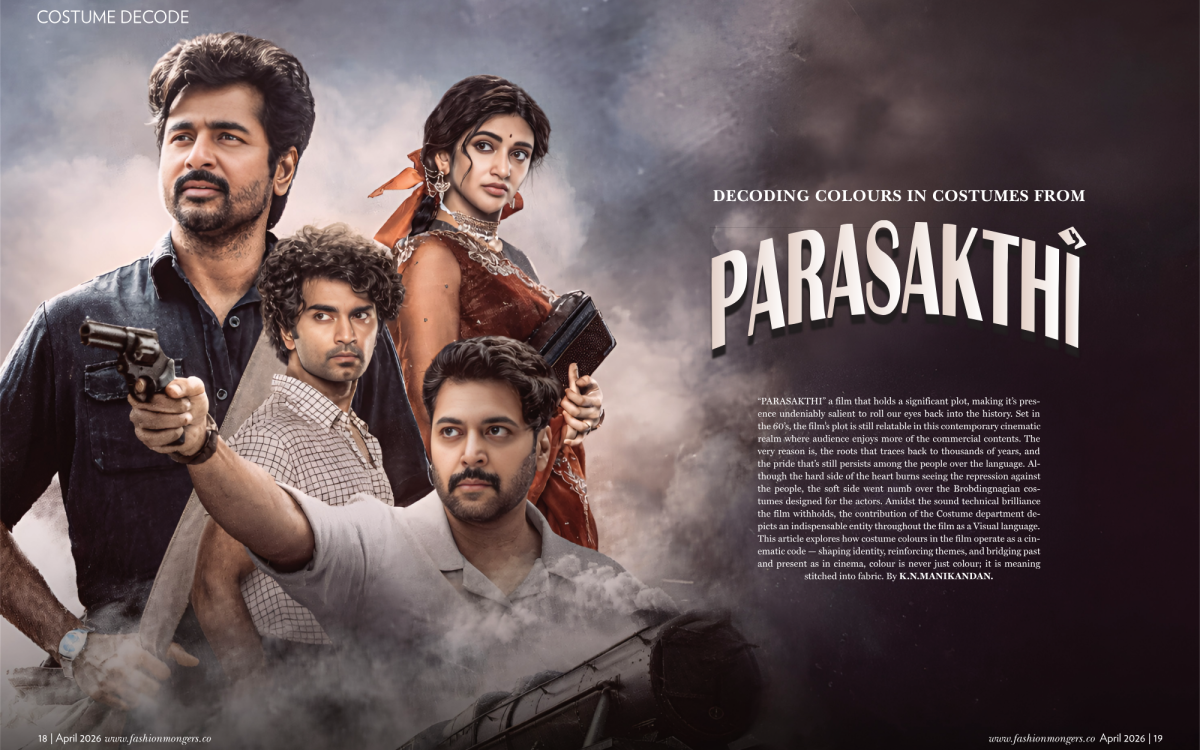
How costume design silently narrates emotion, identity, and revolution.
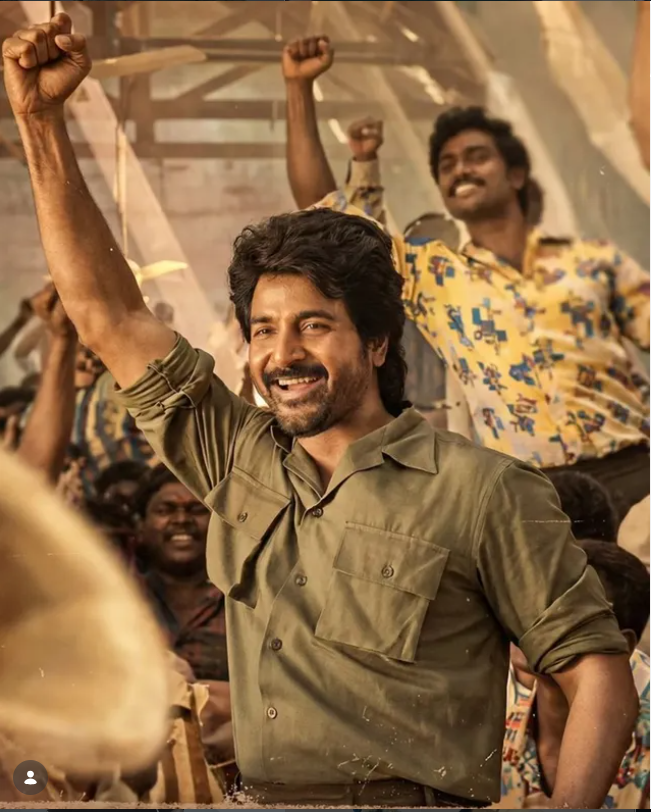
In cinema, colours are never accidental. Every hue, texture, and silhouette is deliberately chosen to communicate emotion long before a character speaks. Costume design becomes an invisible language—guiding the audience through personality, conflict, and transformation.
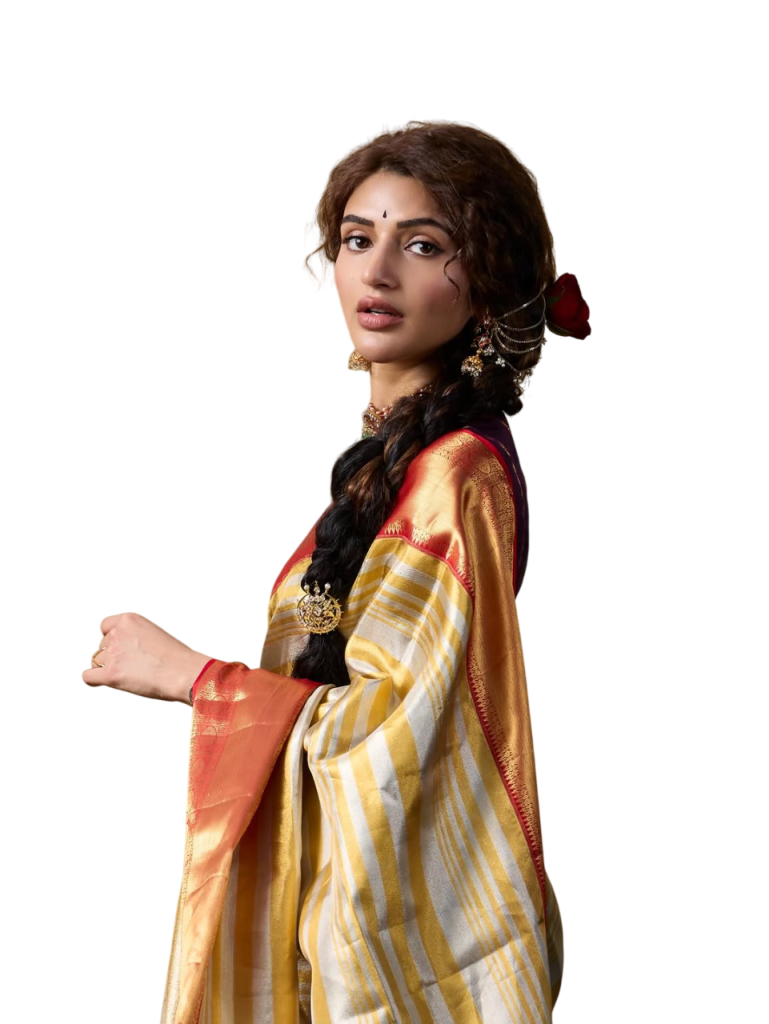
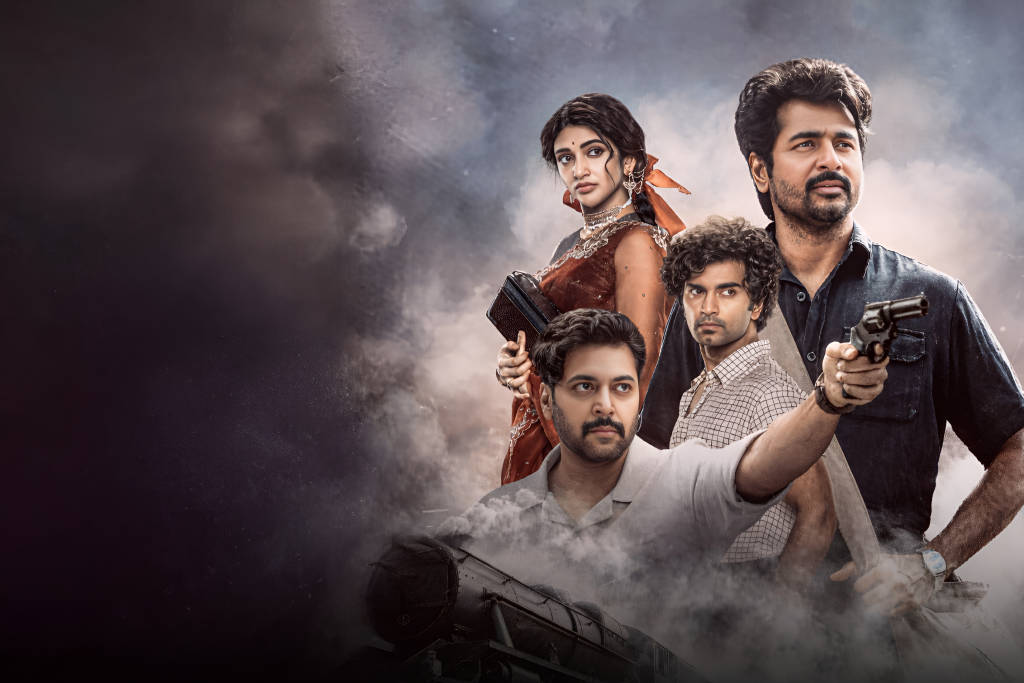
For Maaman, costume designer Poornima Ramaswamy crafts a visual journey where clothing becomes an extension of storytelling. Drawing from years of experience on films like Paradesi, Irudhi Suttru, Dude, and Parasakthi, she builds wardrobes that feel authentic while carrying emotional weight.
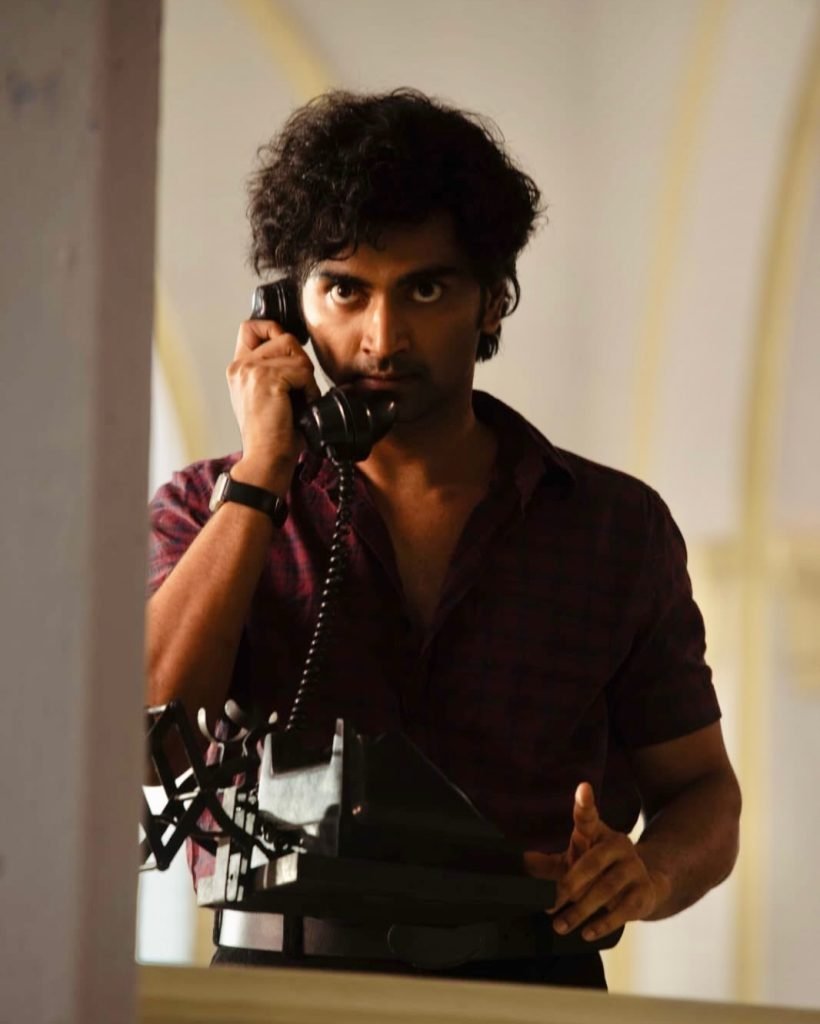
The Initial Plot
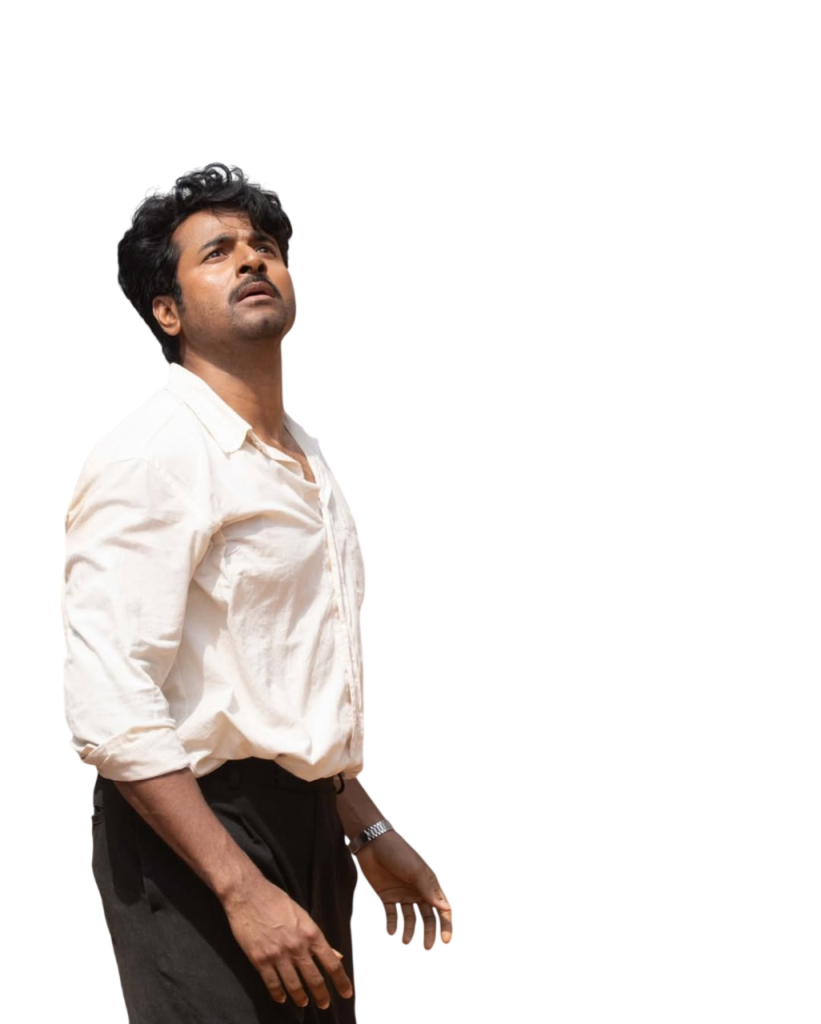
The film begins in a grounded, earthy world. Neutral tones, washed textures, and natural fabrics establish a sense of realism, allowing viewers to connect instantly with the characters and their environment.
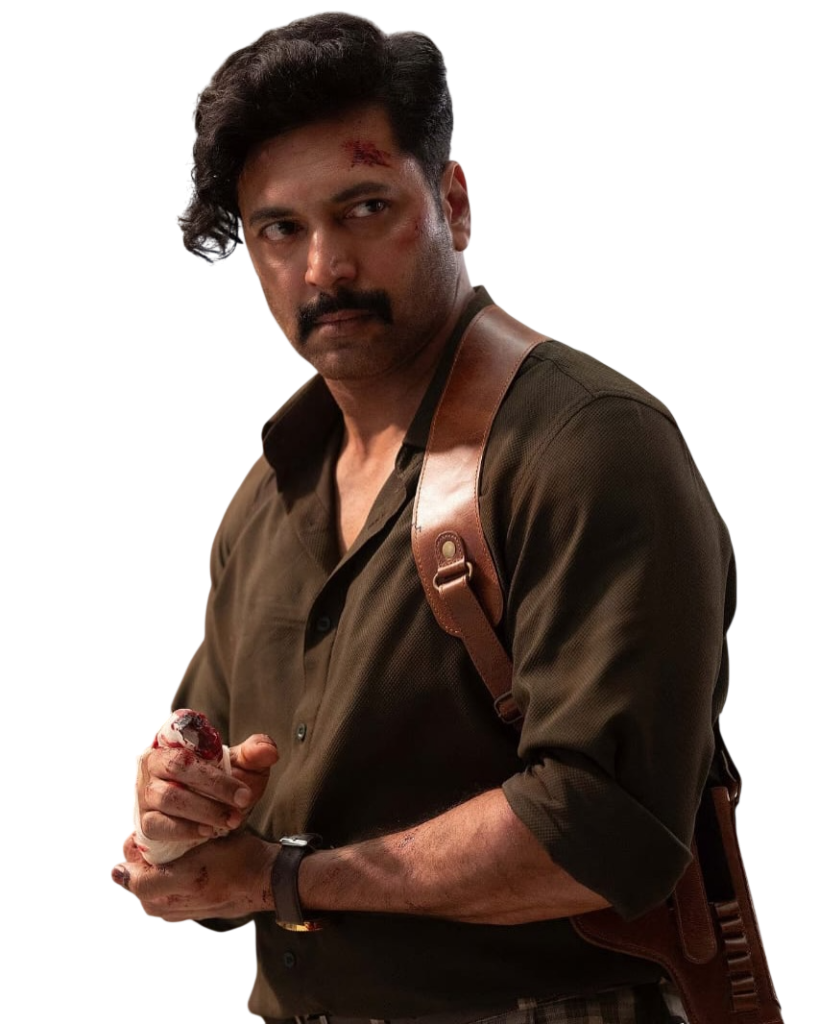
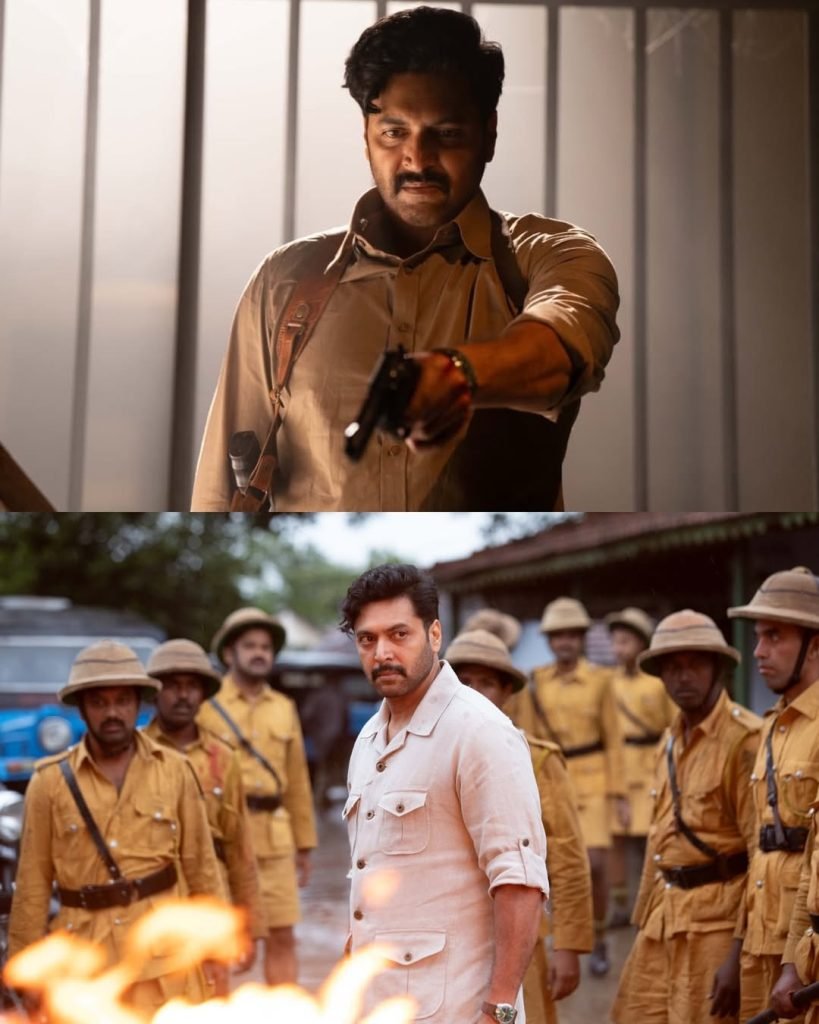
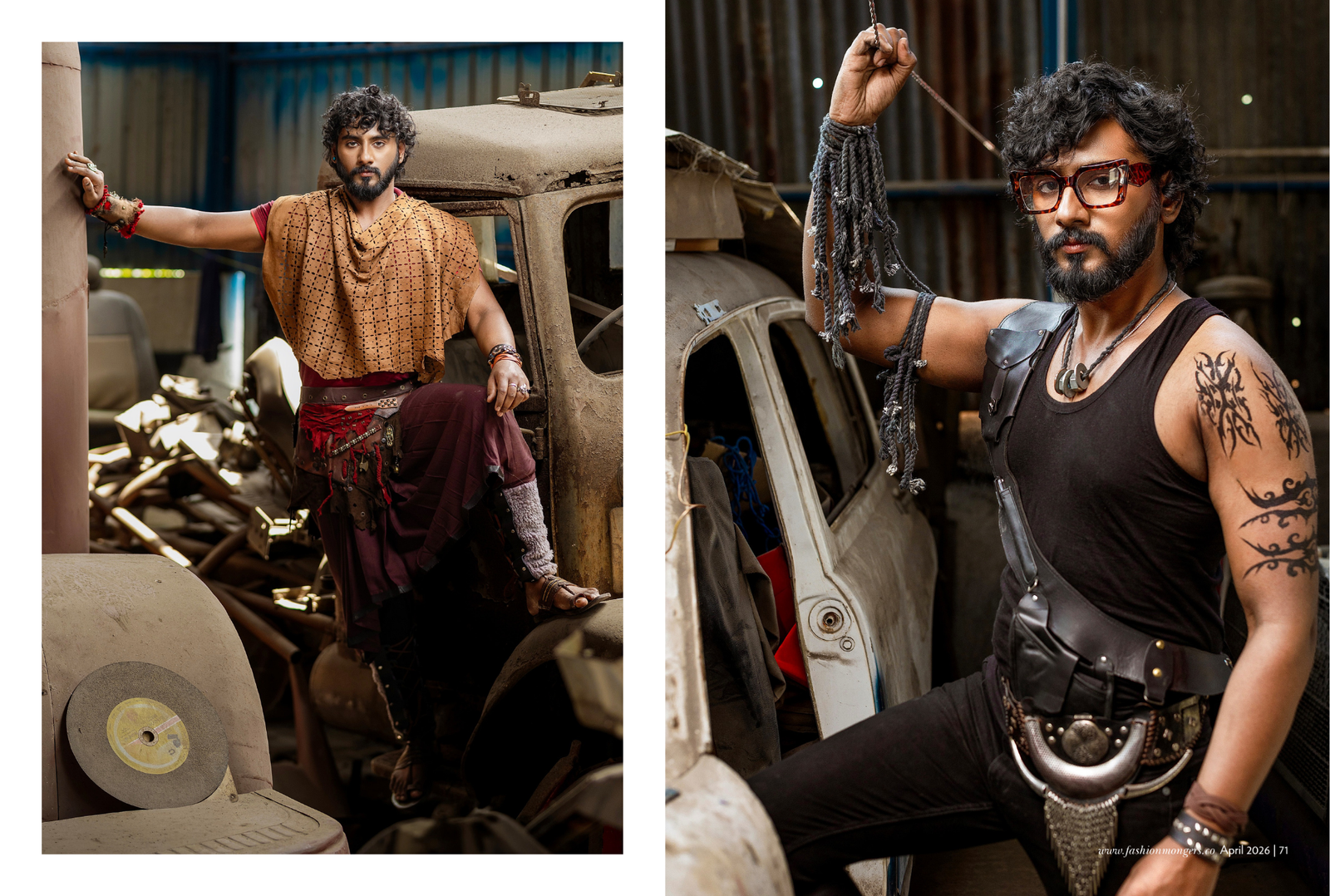
Poornima Ramaswamy believes costume design should first serve authenticity. Every outfit is researched, sourced, and tailored to reflect not only the era but also the character’s social background, lifestyle, and emotional state. The result is a wardrobe that feels lived in rather than styled.
“Revolution doesn’t just happen with speeches but also with shades and colours.”
A Visual Language
Before a costume designer begins sketching garments, they must first understand the psychology of every character.
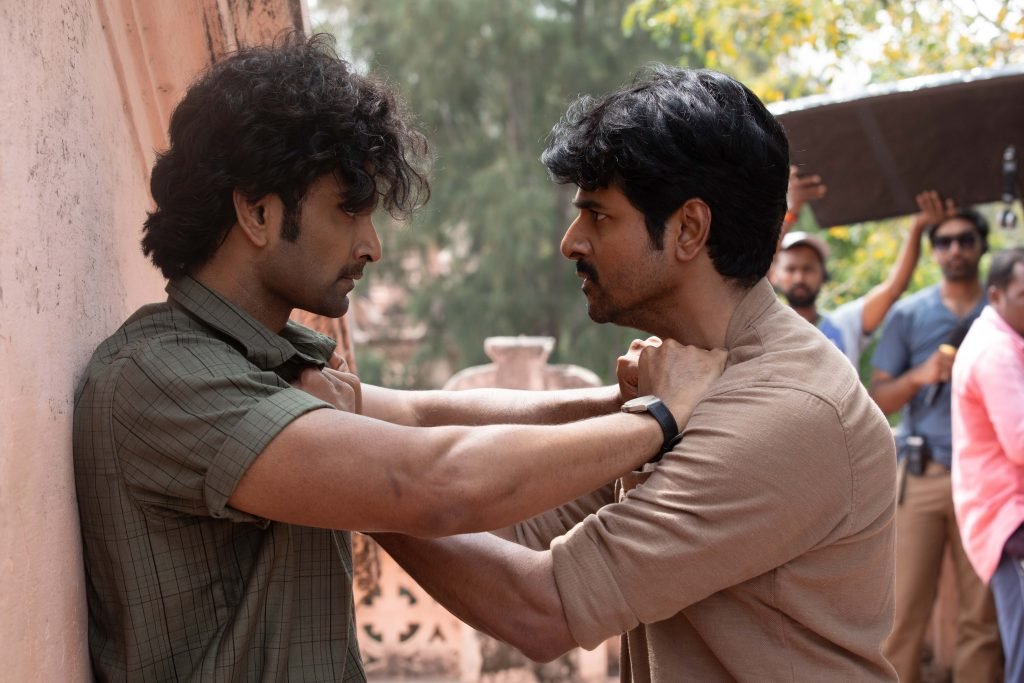
Each colour chosen reflects an emotion, while every fabric and silhouette supports the character’s journey. Rather than overwhelming the screen, the costumes subtly influence how audiences perceive each moment.
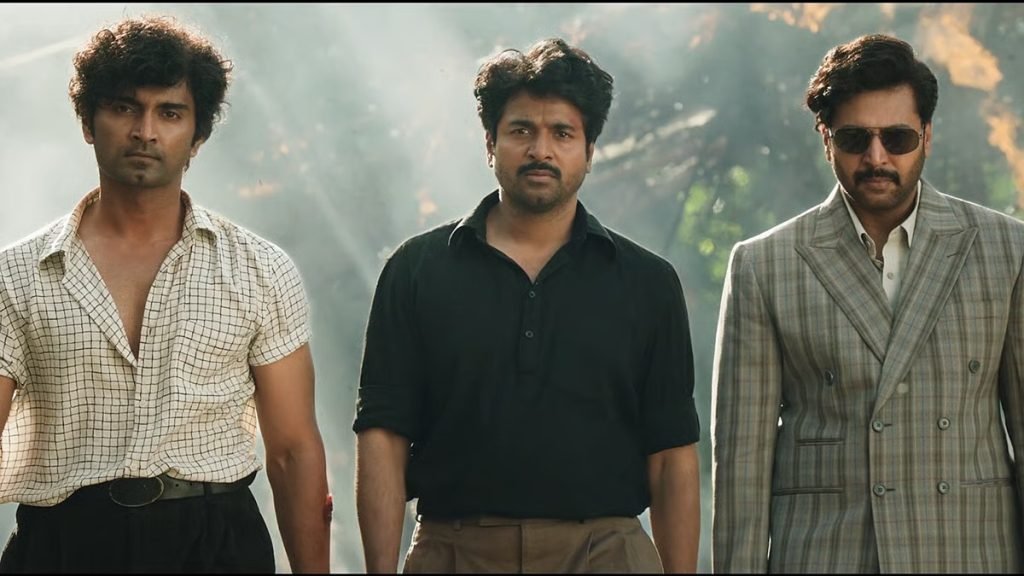
The film’s palette evolves with its narrative:
- Muted neutrals and bleached earth tones create a sense of realism and simplicity.
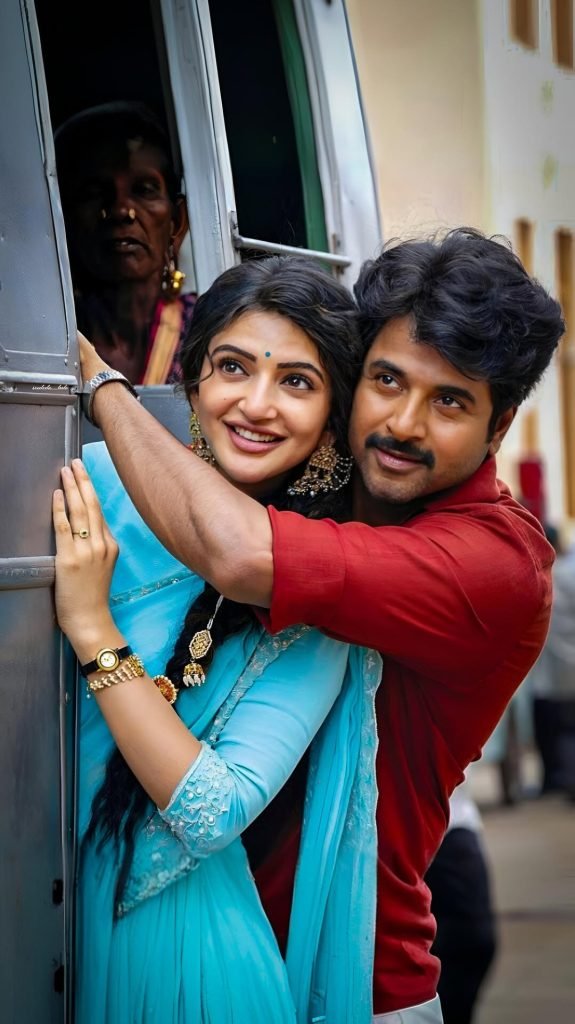
- Primary colours—red, green, and blue— are introduced strategically to represent emotional shifts and character dynamics.
- Red emerges during moments of resistance, passion, and conflict.
- As the story moves toward its resolution, the colour palette becomes richer and more hopeful, symbolising freedom and transformation.
Why It Works
The costumes in Maaman don’t simply dress the characters—they deepen the narrative.
Through carefully curated colour palettes, thoughtful textile choices, and subtle visual symbolism, the film transforms costume design into another storytelling device, proving that fashion in cinema is far more than aesthetics—it’s emotion made visible.
The Role of Costume Design
Poornima Ramaswamy’s work on Maaman illustrates how costume design can become an integral part of filmmaking. By carefully selecting colours, fabrics, and styling, the costumes complement the story while remaining authentic to the characters and their world.
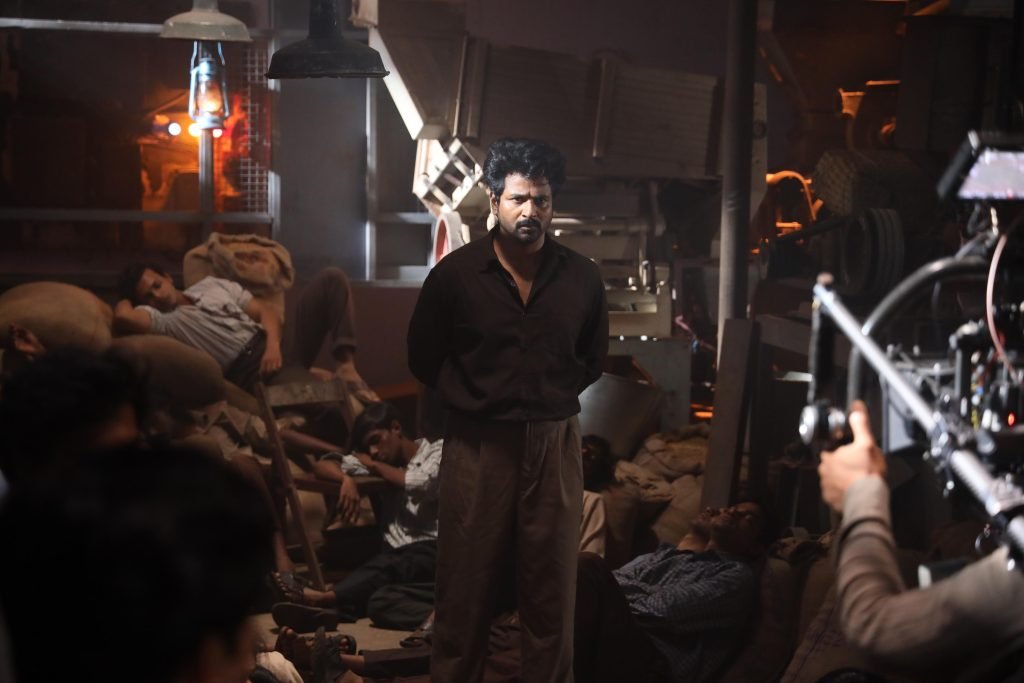
Rather than drawing attention to themselves, the costumes work seamlessly with the film’s visual language, helping to create a cohesive cinematic experience.
Final Take
Maaman highlights the importance of costume design as more than just fashion. Through thoughtful colour choices and visual storytelling, the film demonstrates how clothing can express emotion, support character development, and enhance the narrative—proving that every detail on screen has a purpose.