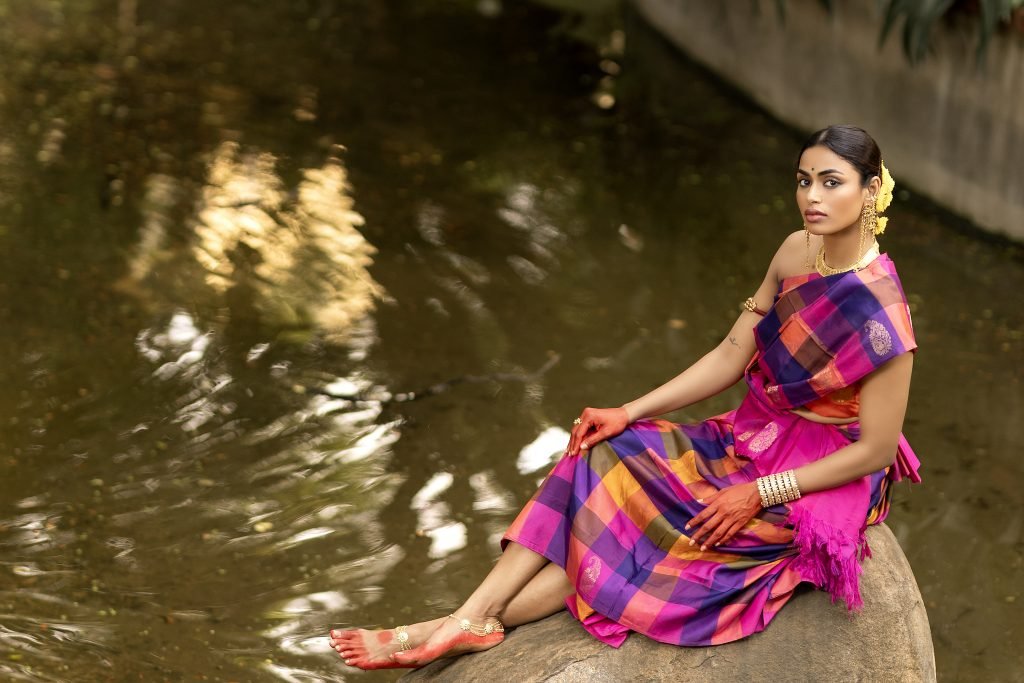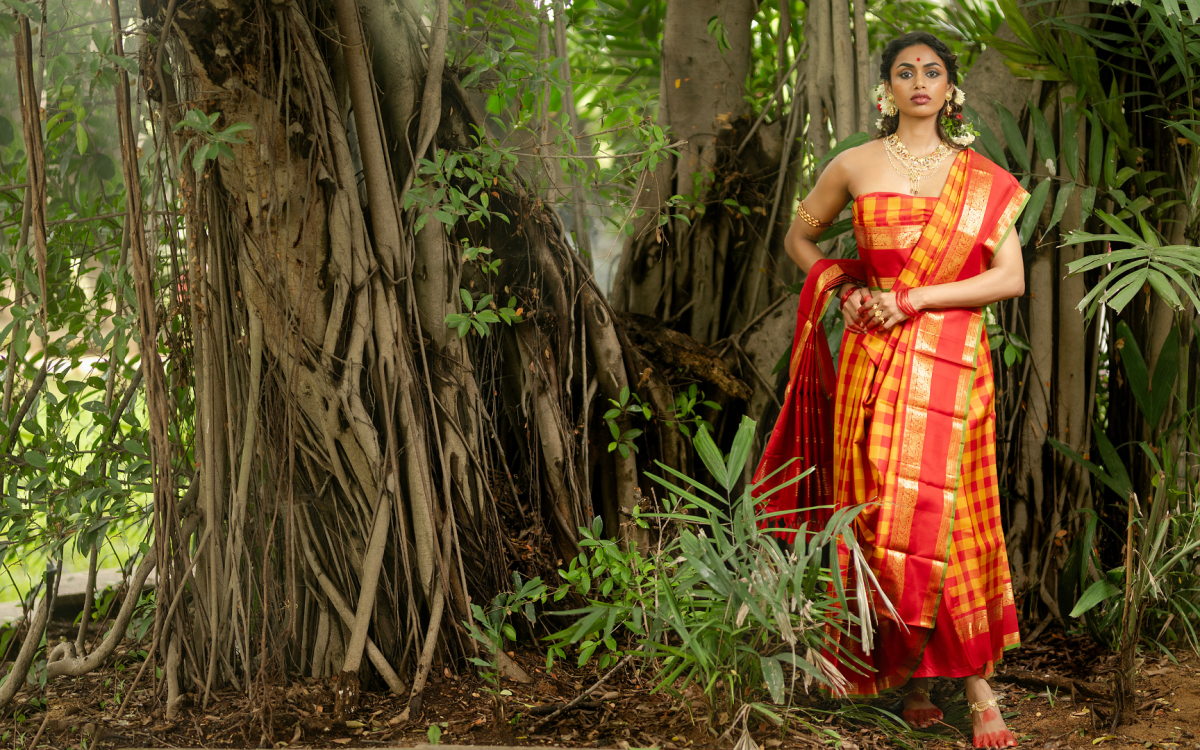
In the golden haze of a forgotten countryside, where cracked earth meets wild blooms and the wind carries stories older than time, Preethy Karan stands still powerful, grounded, and utterly unmissable. There’s nothing artificial about her presence. Draped in raw textures and earth-toned silhouettes, she doesn’t just wear rustic fashion—she channels it. Shot against a backdrop of sun-drenched flora, Preethi reimagines rustic not as a fleeting trend, but as a bold, enduring statement.
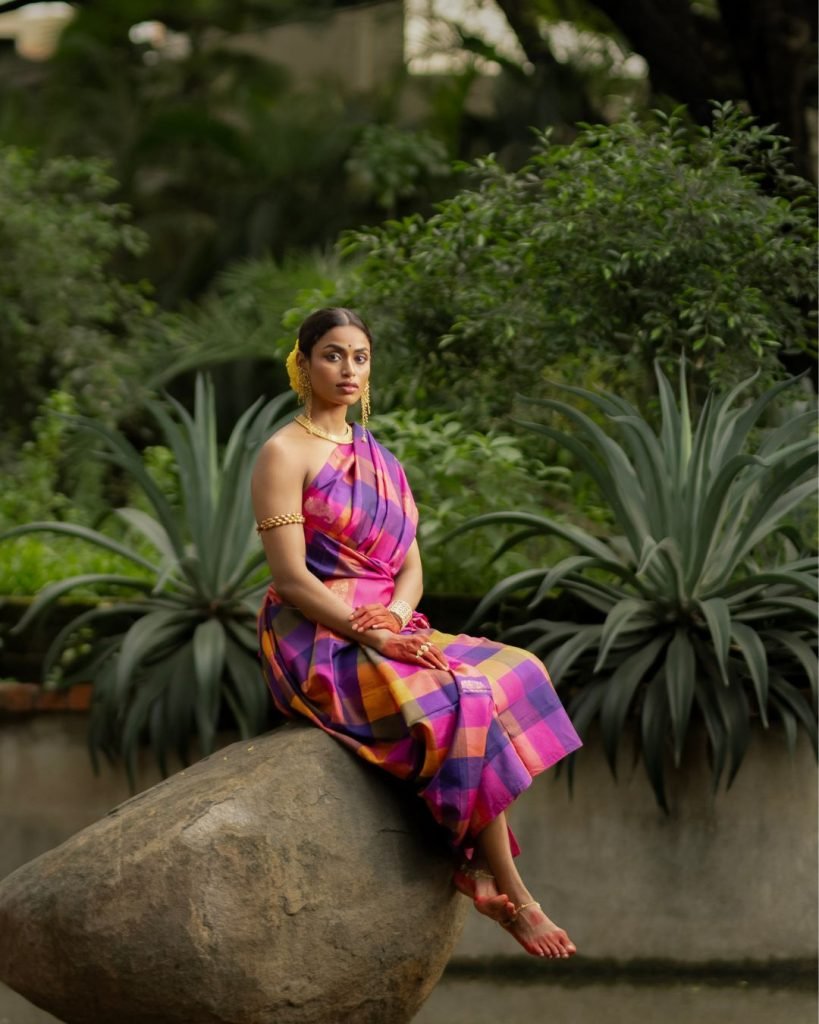
Rooted in the raw beauty of tradition and nature, the Rustic Roots theme traces fashion back to its origins—where craftsmanship, texture, and simplicity reigned. As modern style grows ever more fast-paced and futuristic, there’s a quiet shift happening—a collective return to the organic, the handmade, and the heritage-inspired. Fashion, it seems, is remembering where it came from.
In its earliest form, clothing was a direct response to nature—woven from fibers of the earth, dyed with natural pigments, and crafted by hand with purpose. Those humble beginnings gave rise to techniques and silhouettes shaped by geography, climate, and culture. Over time, as fashion globalised and industrialised, those roots were softened—but never forgotten. Today, designers and storytellers alike are rekindling that connection. We see it in the textured layers of raw linen and undyed cotton, in hand-stitched details, and in silhouettes that favour movement and ease over formality. Rustic no longer means outdated—it means intentional, soulful, and grounded in a sense of place. Rustic Roots is more than just a visual aesthetic; it’s a mindset. It celebrates the beauty in imperfection, the richness of heritage, and the quiet power of slowing down. In this issue, we explore how fashion is embracing its past—not to replicate it, but to reimagine it for a more conscious and connected future.
In the Indian context, this journey inevitably leads us back to the saree—one of the most enduring and soulful garments in the world.
Woven into the very fabric of Indian identity, the saree carries centuries of history, storytelling, and skill. It reflects the rhythms of rural life, the artistry of handlooms, and the deep connection between people and their environment. From the sun-baked cottons of the Deccan plateau to the rich silks of the South, each drape holds the essence of its region—its soil, climate, and spirit. As fashion accelerates toward the new, there’s a growing reverence for the old. Designers, artists, and modern wearers are rediscovering the saree—not as a relic of the past, but as a living canvas that adapts, evolves, and endures. In its rustic forms—coarse khadi, vegetable-dyed hues, uneven weaves—it speaks with quiet strength, reminding us of our roots. Rustic Roots is not about nostalgia, but about reconnection. It’s an ode to the slow beauty of tradition, the elegance of imperfection, and the resilience of cultural heritage. In a world of fleeting trends, the saree remains—a timeless symbol of Indian fashion’s soul, reminding us that sometimes the way forward begins with a return to where we began. Draped in the timeless six yards, Preethi Karan brings a quiet elegance to each look—each drape a tribute to heritage, illuminating the enduring beauty of fashion that has transcended time. In this exclusive conversation, Preethi opens up about her journey through the highs of the fashion world, her personal evolution, and why she believes that the future of fashion might just lie in going back to where it all began.
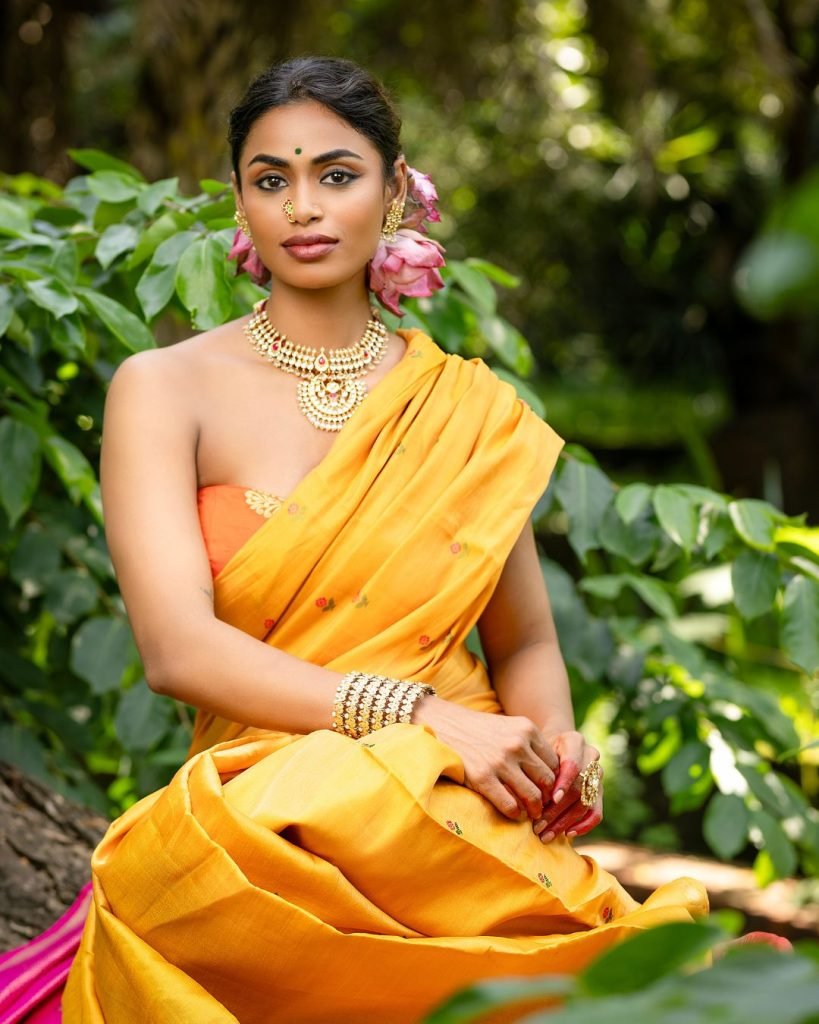
This shoot explores the theme ‘Rustic Roots’. What does that concept mean to you personally and how did you embody it during the shoot?
“To me, Rustic Roots is all about returning to what’s real—stripping things back to their essence. It speaks of simplicity, authenticity, and that deep connection to where we come from. When I think of ‘rustic,’ I picture earthy textures, raw emotion, and the kind of cultural heritage that quietly anchors us. During the shoot, I made a conscious effort to set aside the performance side of my profession and just be present. I focused on grounded, natural movement and tried to connect deeply with the environment around me. It was about feeling rooted, raw, and real letting the surroundings guide my energy. That’s what Rustic Roots means to me.”
How did the setting, styling, and mood of this shoot connect with your own sense of identity or background?
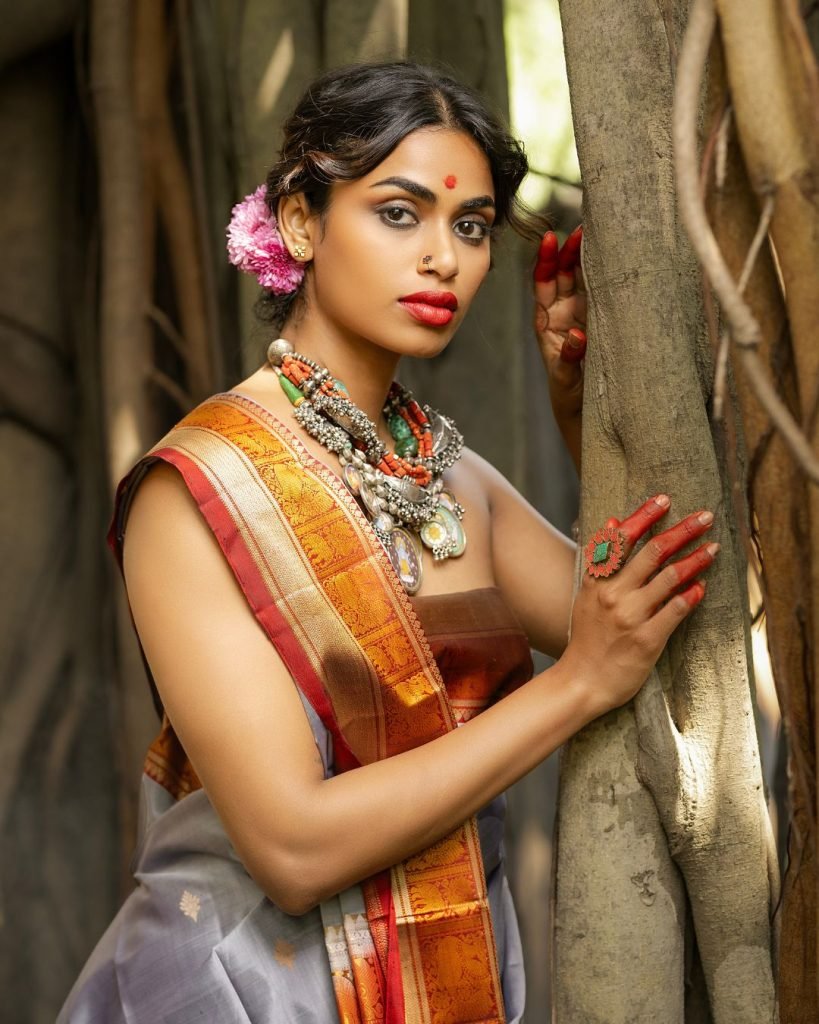
“Shooting for this concept felt deeply personal. The styling took me back to my roots—it reminded me of the women I grew up around in my hometown. The checkered sarees, the earthy tones… these are patterns and palettes I’ve seen my entire life. There was a quiet elegance to them, a kind of everyday fashion that never tried too hard yet always felt complete. It brought back memories of village life—its simplicity, its warmth, and the unspoken strength of tradition. There’s something incredibly grounding about that world and being able to channel it through this shoot felt like an emotional homecoming. What I appreciated most was how the styling embraced raw, unpolished beauty. The styling truly brought out an unpolished, organic beauty that I deeply connect with—it reflects the part of me that values authenticity over perfection. That kind of authenticity resonates with me deeply—it mirrors the part of me that values realness over refinement, substance over surface. In many ways, this shoot wasn’t just about wearing something; it was about inhabiting a feeling, a memory, a way of being that still lives within me.”
On Fashion Then & Now
You’ve seen fashion evolve over the years — how would you describe the biggest shifts in the industry from when you started to now?
When I first stepped into fashion, everything felt very defined—there were fixed ideals about beauty, body types, and even what counted as “stylish.” It was more about fitting into a mold than standing out. But over the years, that’s shifted in such a powerful way. Today, fashion has returned to something more raw and real. It’s about individuality, storytelling, and embracing where you come from—whether that’s a small town or a big city. Social media, in particular, has opened the gates wide. I’ve seen people style themselves with whatever they have around—from vintage family pieces to something pulled from the kitchen drawer—and somehow make it fashion. That kind of creativity, rooted in everyday life, really speaks to me. You don’t need a runway anymore to make a statement. The runway can be your backyard, your local market, your grandmother’s porch. Fashion has become more fluid, less rigid. There’s room now for real voices, real bodies, real stories. And that excites me. It reminds me of home, in a way—where style came from necessity, personality, and pride in your roots. We’re circling back to that spirit, but with a much broader, more inclusive lens.
How do you think fashion is reconnecting with heritage, culture, and authenticity in today’s world, especially through concepts like Rustic Roots?
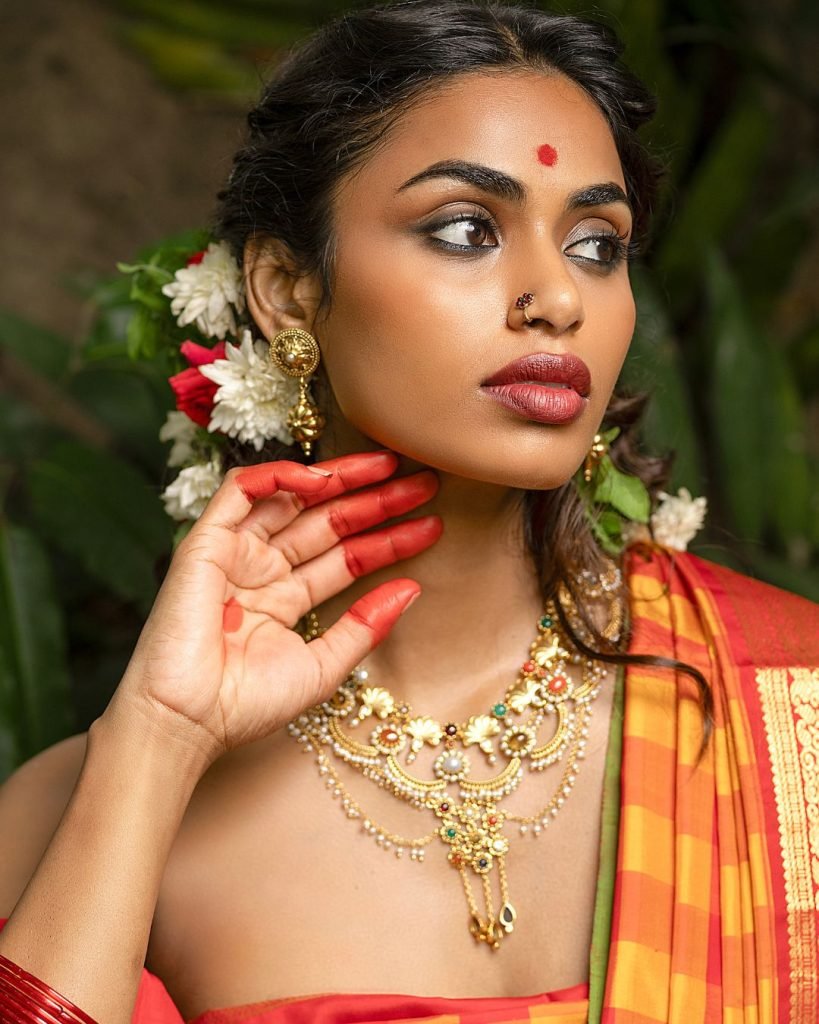
Fashion today is circling back to something deeper than storytelling. It’s no longer just about chasing global trends or mirroring Western styles. There’s a growing appreciation for homegrown narratives, for the textures, fabrics, and traditions that come from our own soil. Across India, we’re seeing an incredible rise in local brands that are rooted in heritage yet reimagined for the modern world. That blend of the traditional and contemporary is giving fashion a new kind of soul. Concepts like Rustic Roots instantly take me back to my own Tamil heritage—the feel of handwoven cottons, the quiet luxury of silk, the warmth of earthy tones. There’s something profoundly grounding about those elements. It’s raw, it’s real, and it’s rich with memory. Wearing pieces inspired by that lineage doesn’t just feel stylish—it feels like carrying a piece of history on your skin and giving it a new voice in today’s world. That, to me, is the most powerful kind of fashion.
Do you think today’s fashion world is more inclusive and expressive than before? Where do you think there’s still room to grow?
Absolutely. Today’s fashion landscape is far more inclusive and expressive than when I first began. There’s a visible shift—more diversity in body types, skin tones, cultural identities, and personal styles. People are being celebrated for who they truly are, rather than being asked to conform to a single idea of beauty. That alone is a powerful change. It has created a sense of security and belonging, especially for women and men who have long felt overlooked. After all, the beauty industry has often thrived on our insecurities—so to see it now moving toward empowerment is refreshing. But inclusivity must go deeper than just the surface. It’s not just about representation in front of the camera—it’s about opportunities behind it, too. We need to see more designers, stylists, and creatives from every corner of the country—especially from rural and regional backgrounds—given the platform and the support they deserve. That’s where and when the real transformation will happen. Interestingly, fashion has also begun to influence cinema—a medium that deeply shapes public perception. I find that fashion, surprisingly, feels more liberal and open right now, whereas cinema still holds on to certain limitations. Since I now belong to both worlds, I’d love to see the same inclusivity and celebration of individuality ripple into film as well. True beauty lies in the whole picture—in our roots, our diversity, our stories. That’s what I hope we continue to embrace, across every industry.
What are some of the biggest challenges you’ve faced as a model—both at the start of your career and now, as a seasoned professional?
In the early years, the biggest challenge was simply finding space in an industry that had such rigid standards of beauty. I remember facing rejection after rejection, feeling the pressure to fit into a mold that never truly reflected who I was. Back then, brown skin wasn’t something the fashion world widely embraced—there were very few faces who looked like me in magazines or on runways. One moment that really stayed with me was seeing Archana Akil Kumar on the cover of Vogue. That image gave me hope. It told me that there was room—maybe not yet wide open but slowly expanding—for someone like me. Years later, opening a show at Lakmé Fashion Week alongside her in 2019 felt surreal. It was more than just a fashion moment—it was deeply personal. I was one of the few South Indian, brown-skinned models breaking through at that time, and I take pride in knowing that I helped open the door a little wider for others to follow. What I’ve always held on to is the power of showing up as myself—unapologetically. Every shoot, every show, every opportunity has been a chance to represent my roots and stand firmly in my truth. . This has been my way of giving back to this industry that has slowly learned to embrace differences. Now, as a more seasoned professional, the landscape has changed a lot. With the rise of social media and influencers, the definition of fashion has become more democratic, more accessible. It’s no longer just about high fashion—it’s about personal style, storytelling, and relatability. That’s beautiful to witness, but it also comes with the challenge of staying relevant. For me, that doesn’t mean chasing trends, but staying connected—to the craft, to the culture, and to the evolving voices and scenes around me. It’s not a burden—it’s a responsibility I welcome.
What advice would you give to aspiring models trying to find their unique place in such a competitive and ever-changing industry?
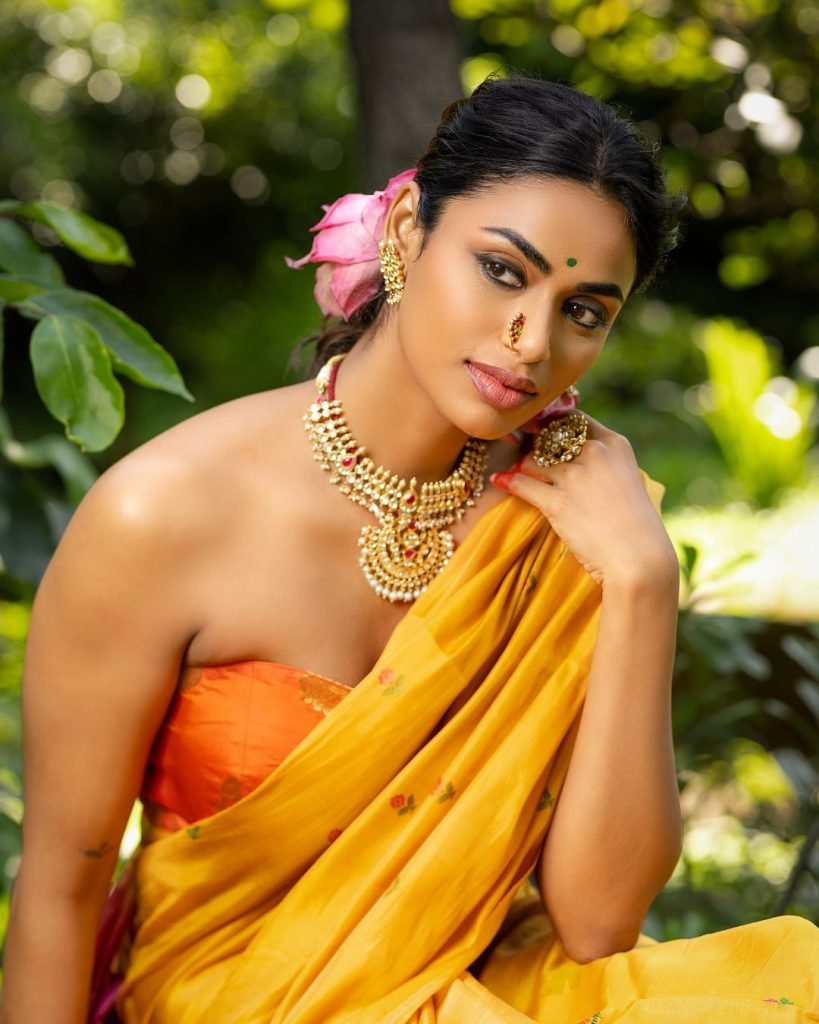
My biggest advice is this: stop chasing society’s standards of beauty—start embracing your own. In a world that’s always shifting, the only constant you can rely on is your individuality. This industry is competitive, yes—but it’s not about how well you blend in, it’s about how boldly you can stand out. Trends will rise and fade, but authenticity never goes out of style. Be patient with yourself. Stay disciplined, stay curious, and evolve with the times. Fashion is fluid, and to stay relevant, you need to keep learning, growing, and adapting. But in doing so, don’t lose your centre. Stay rooted in who you are. Your identity is your power. The more grounded and self-aware you are, the more your presence will resonate. And don’t fear rejection—it’s not an end, but often a redirection toward the space where you truly belong. In the end, fashion doesn’t reward those who try to fit the mold—it uplifts those who break it. In an era driven by digital perfection and relentless reinvention, Rustic Roots offers a pause—a moment to look inward and backward, to reconnect with what’s real, raw, and rooted. Through the soulful lens of Preethi Karan, this story becomes more than a celebration of earthy fabrics and heritage drapes—it becomes a reflection of identity, resilience, and evolution.
Her journey mirrors that of the saree she wears timeless, adaptive, and deeply entwined with history. As fashion continues to broaden its definitions and reclaim its roots, voices like Preethi’s remind us that authenticity is not a trend—it’s a return. A return to craft, to culture, to connection.
And in that return, we find not just style, but soul.