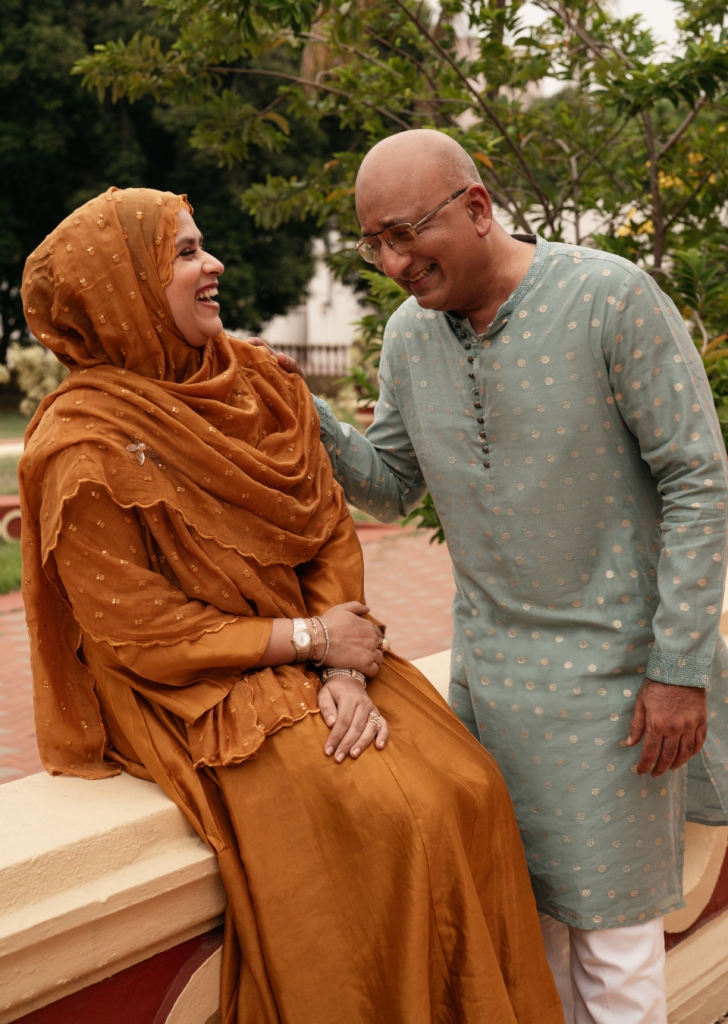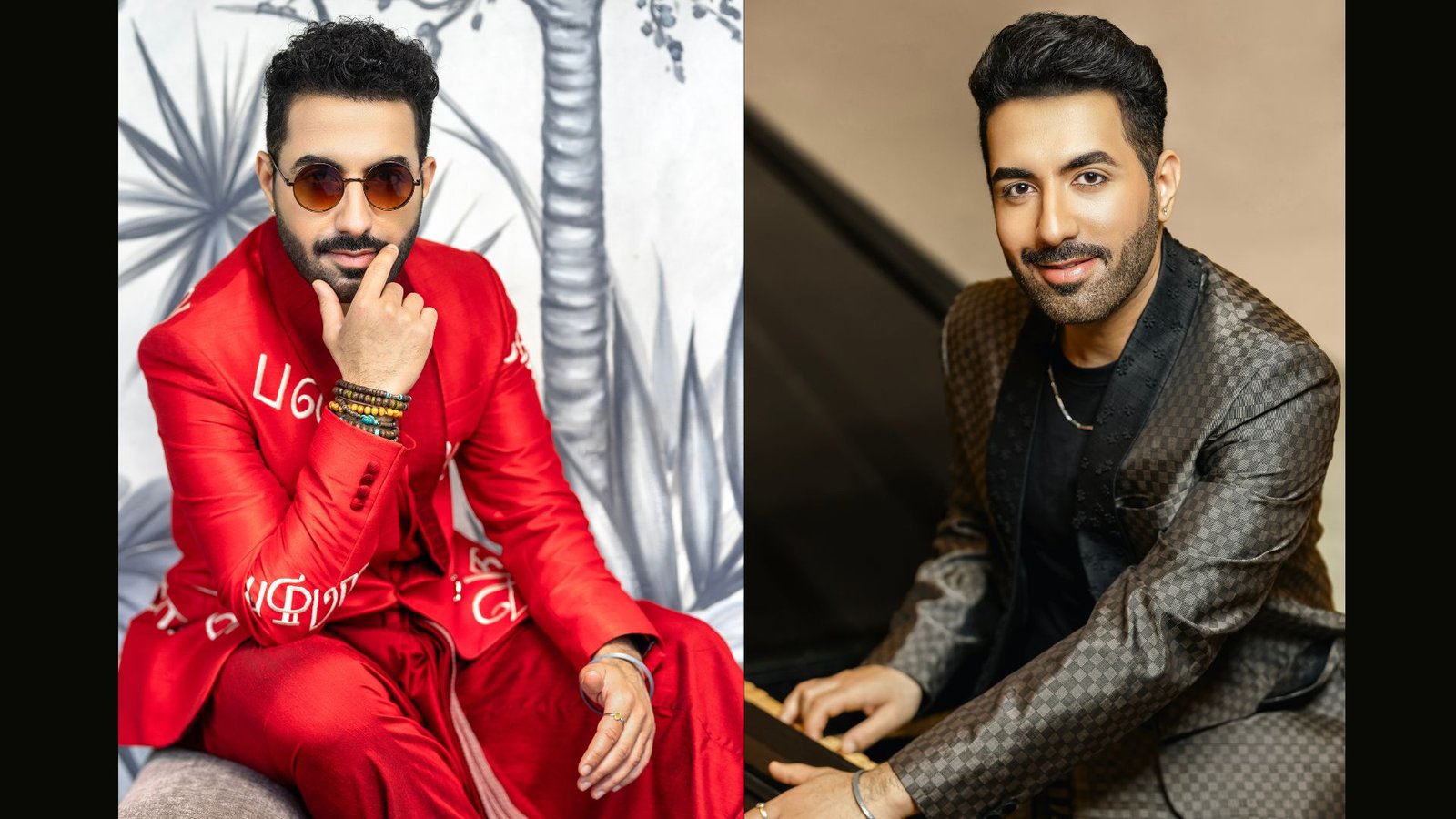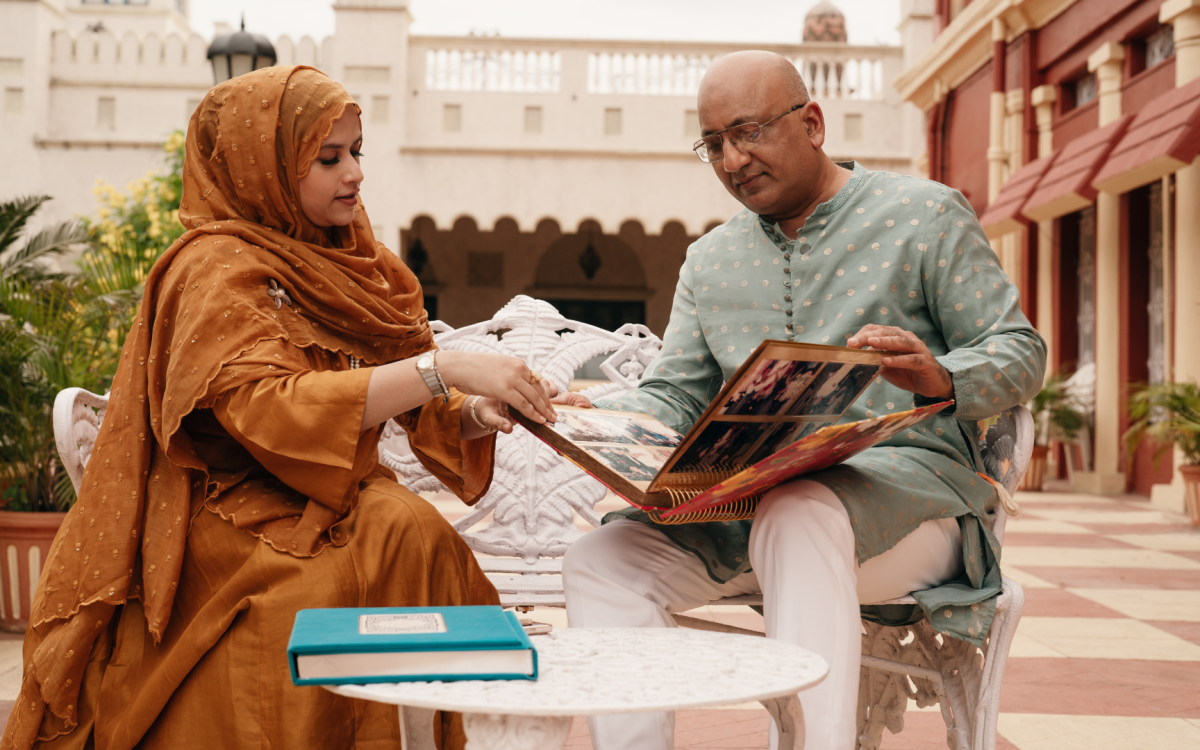
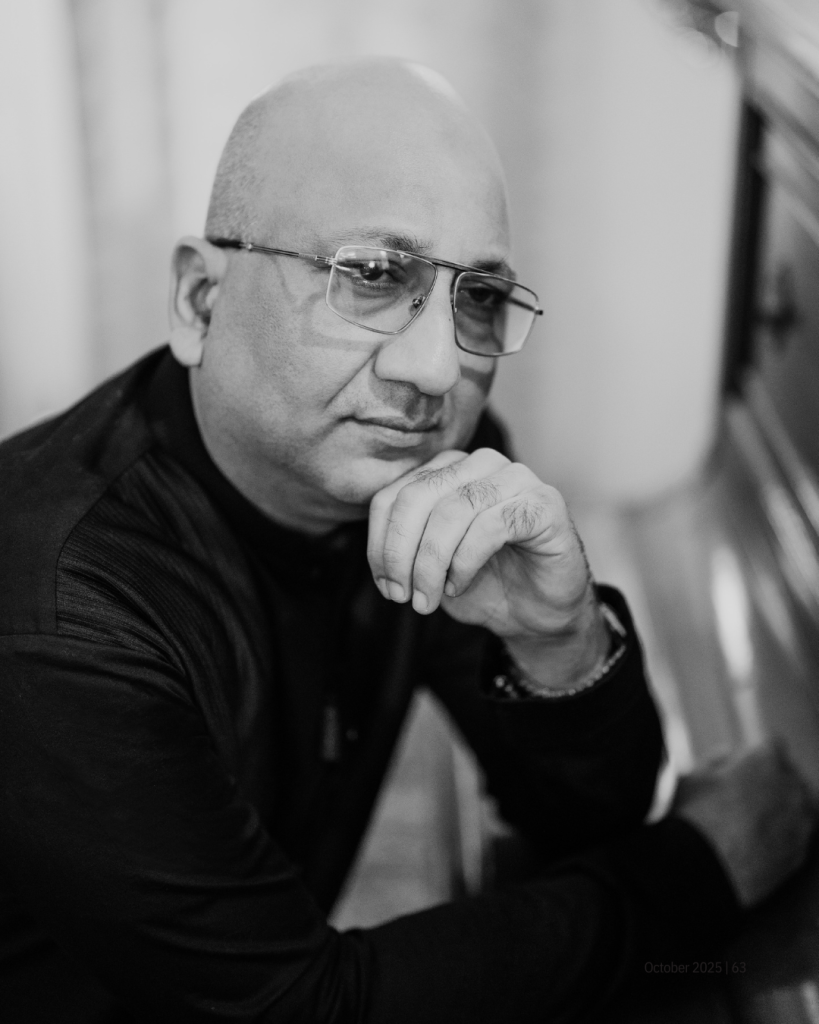
As Chennai pulses with contemporary ambition, the Prince of Arcot and his family uphold an identity deep rooted in tradition, yet open to dialogue. It is this balance of legacy and relevance that we explore through an interactive conversation with, Nawabzada Mohammed Asif Ali, the eldest son of His Highness the Prince of Arcot, Nawab Mohammed Abdul Ali.
In the heart of modern Chennai, amidst of the hustle and bustle of this street in Royapettah, and behind the tall red walls is Amir Mahal. There lives a quietly enduring chapter of India’s royal past—the Nawabs of Arcot, once powerful rulers of the Carnatic and now one of the last remaining princely families residing in this major Indian city.
Their story begins in the early 18th century, when the Nawabs governed from Arcot, a Mughal outpost in southern India. But as the winds of empire shifted and colonial powers rose, their destiny became entwined with the emerging British stronghold of Madras. It was Nawab Muhammad Ali Khan Wallajah, with British backing, who decisively moved the royal seat from Arcot to Madras in 1765, building the now-iconic Chepauk Palace. In doing so, the Nawabs became not just rulers, but active participants in the shaping of colonial Madras—culturally, politically, and even sartorially.
Amir Mahal, their home since 1876, became a sanctuary where royal customs, language, and even their dress were preserved—not frozen in time, but evolving with dignity. The Nawabs’ courtly style, with its flowing sherwanis, churidars, and their distinctive Arcot turbans, remains a refined expression of Indo-Islamic elegance against the forgetfulness of modernity.
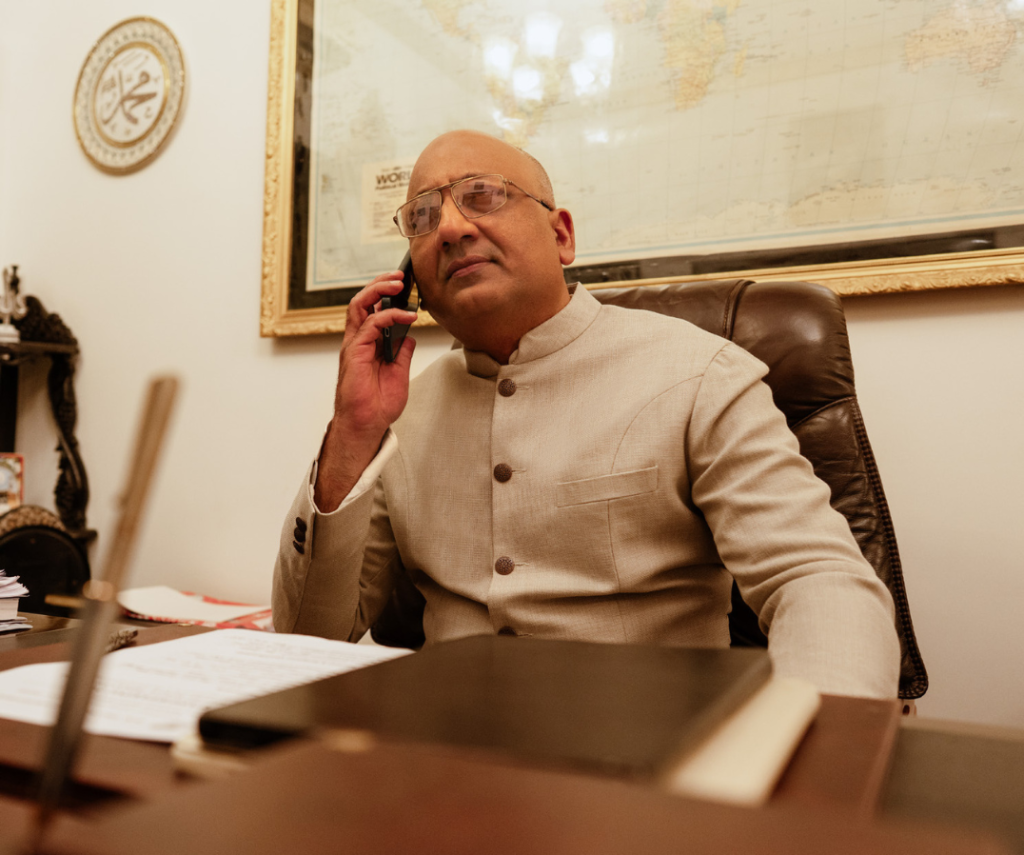
Fashion, for many, is fleeting—however for royalty, it is legacy. In this exclusive interview, His Highness Mohammed Asif Ali, Diwan and the heir apparent to the Prince of Arcot, shares a rare glimpse into the evolving world of royal fashion—from the opulence of the traditional Nawabi attire to its elegant reinterpretation in today’s modern wardrobe.
With a deep-rooted sense of history and a discerning eye for contemporary aesthetics, Nawabzada Mohammed Asif Ali, speaks candidly about how royal fashion has transformed over the years, what key elements still carry symbolic weight, and his personal philosophy on style in a world increasingly driven by brands and trends.
Heritage and Tradition
Q.How did your early royal traditional attire look?
“In the earlier days, our traditional royal attire was quite formal—definitely heavier and more elaborate than what you see today. The dresses were long and regal, often paired with thick belts that sometimes-held weapons, symbolizing strength and readiness. We also wore distinctive headgear and shoulder pieces, which added to the grandeur and conveyed status. Today, it’s all evolved. The attire has become more modern, more comfortable—but there’s still a beautiful touch of tradition in every piece. Whether it’s in the fabric, the embroidery, or the overall design, we’ve found ways to honour our heritage while moving with the times.”
Q.What were some of the most iconic fashion elements unique to the Arcot family?
“I believe the most iconic and unique element of royal fashion has to be the headgear worn by the Nawabs. It wasn’t just a statement of style—it was a symbol of authority, pride, and lineage. Traditionally, these turbans or headpieces often carried the royal seal and were embellished with precious stones, showcasing both wealth and identity. Even today, we continue to wear them during special occasions and festivals as a way of honoring our heritage. While the everyday traditional touch may have faded with time, the significance of the headgear remains deeply rooted in our culture. Wearing it today brings back a sense of pride and connection to our royal past.”
Q.Can you walk us through your own fashion evolution?
“Fashion has certainly evolved from the time I was a child to now. But to me, fashion isn’t just about what you wear—it’s about how you carry it. That’s where true style lies. I’m not saying you shouldn’t follow trends or embrace brands; after all, fashion is about expression. But I believe that a brand shouldn’t wear you—what you wear should become the brand. That distinction matters. Today, there’s an undeniable obsession with labels, which isn’t necessarily wrong, but the real magic happens when your confidence and individuality turn an outfit into something iconic. They say fashion comes a full circle every 20 years—and what we wear today is essentially retro with a twist. Trends may come and go, but the power lies in making whatever you wear your own. That, to me, is fashion.”
Q. Are there pieces from your wardrobe that have been passed down through generations?
“There are a few cherished pieces—dresses, jewellery, and watches—that have been passed down through generations. Wearing something that once belonged to my grandmother /grandfather feels incredibly special. It’s more than just style; it brings back memories and a deep sense of connection to the past.”
Q.Has your personal style been influenced more by traditional or modern times?
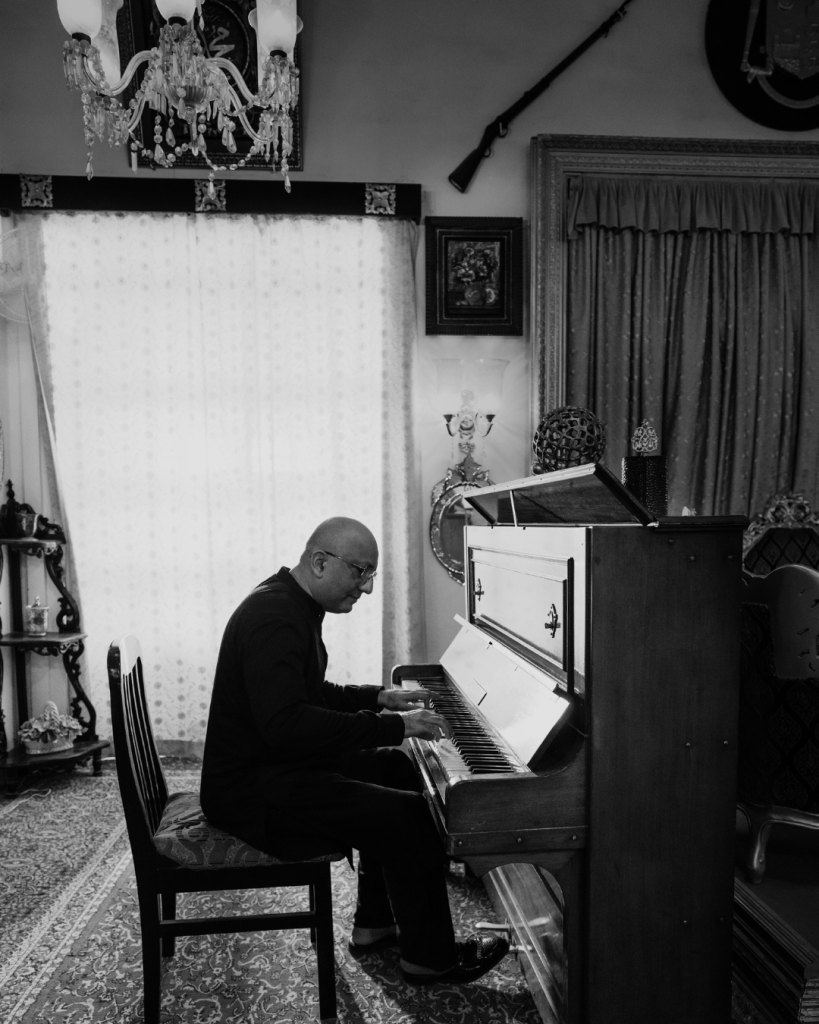
“My personal style is a lot like music—which makes sense, since I’m a musician. I love to fuse elements, whether it’s Indo-Western or blending Eastern and Western influences. I’m not overly rigid about what I wear, but I do pay attention to fit and how the outfit suits the occasion. If it’s a formal setting, I’ll go for formal wear; otherwise, I embrace traditional attire. I’d say my style is contemporary but always rooted in tradition.”
Men vs Women Royal Fashion
Q.How did fashion expectation then differ for royal men and women?
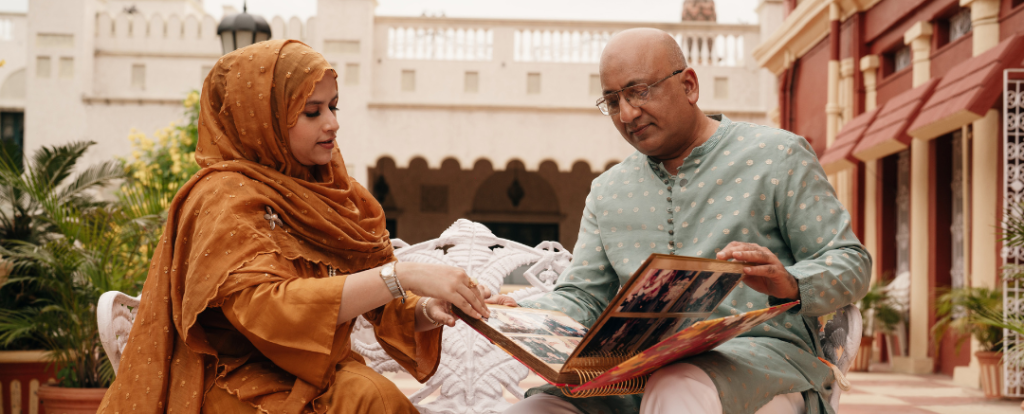
“That’s a dangerous question! But here’s the truth—women have always been the true ambassadors of fashion. Historically and even today, they’ve had a wide array of choices—from elaborate headgear and jewellery to makeup and footwear. They’ve truly elevated fashion to an art form. That said, royal men certainly had their own sense of style. Their attire was grand, with rich colours, ornate headpieces, and flowing garments that spoke of elegance and power. What I find most fascinating is how both men and women complemented each other through their fashion. And to me, that harmony is the essence of true style.”
Q. Do you feel that women’s fashion then, in royal circles, had more artistic expression than men’s?
In royal circles, I believe both men’s and women’s attire carried a strong sense of artistic expression. It wasn’t limited to one gender. Both wore elaborate jewellery, vibrant colours, and garments that were long, heavy, and richly detailed. For men, the look was completed with ornate belts and distinctive headgear. The fashion of that time was a reflection of grandeur, and both men and women embraced it with equal flair.”
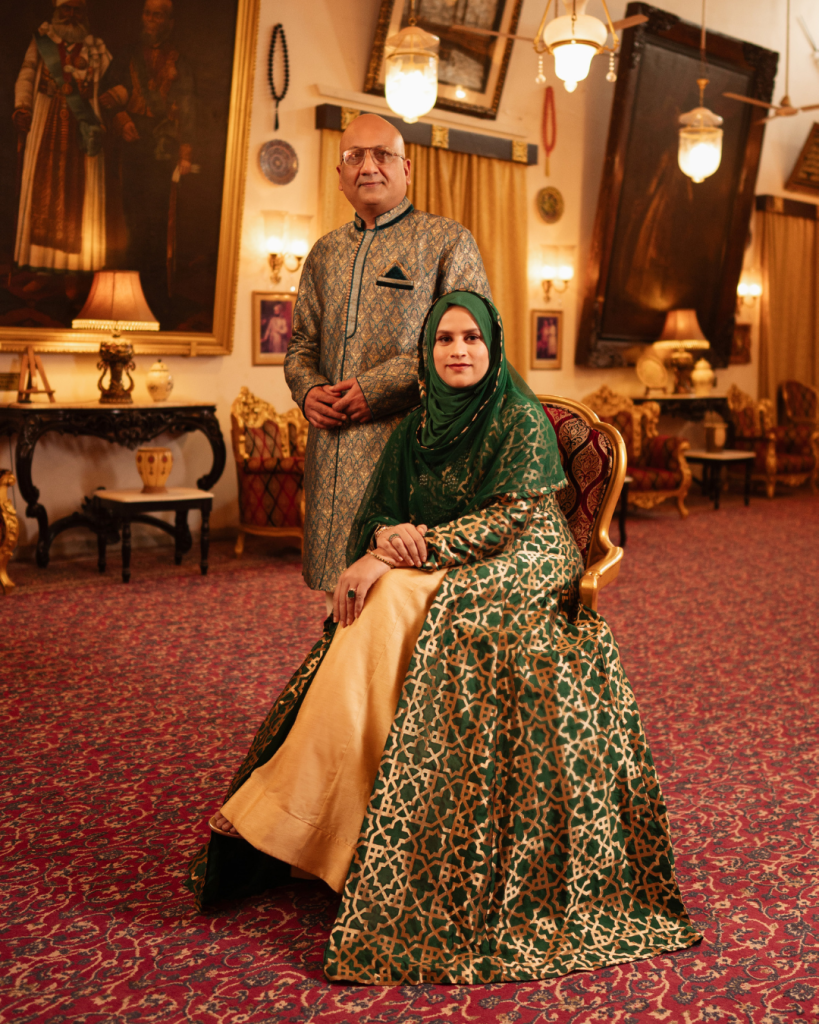
Q. Being a royal how do you strike a balance between traditional and contemporary fashion?
“As I mentioned earlier, it’s not just what you wear, but how you carry it. Even a simple white shirt can look effortlessly elegant. Fashion, to me, is an extension of personality—what you choose to wear adds to who you are. That’s exactly the message we teach our children: cultivate a stylish personality, and your attire will naturally enhance that style. So, I truly believe no dress is inherently good or bad—it’s all about the confidence and grace with which you wear it. That, to me, is the true essence of fashion.”
Q. If you were to wear a modern ceremonial outfit, what elements would you bring from your heirloom?
“Today’s audience craves something unique, especially when it comes to festivities and royal traditions—they expect us to truly stand out. We’re fortunate to have iconic elements like the ‘sadariya’ and ‘charariya,’ alongside bracelets and the elegant Mothi ki mala (pearl chain). Many choose to mix and match these pieces, creating distinctive combinations that celebrate heritage with a modern twist.”
Q. Do you think fashion today bridges tradition and modernity?
“Absolutely—fashion truly bridges tradition and modernity, because our roots can never be forgotten. What you wear is a reflection of who you are. While there’s nothing wrong with embracing new styles, I believe we can never fully detach from our heritage. There’s always a subtle touch that reflects the land we come from. Tradition represents our ethnicity, while modern fashion is about adaptation—together, they create a beautiful harmony.”