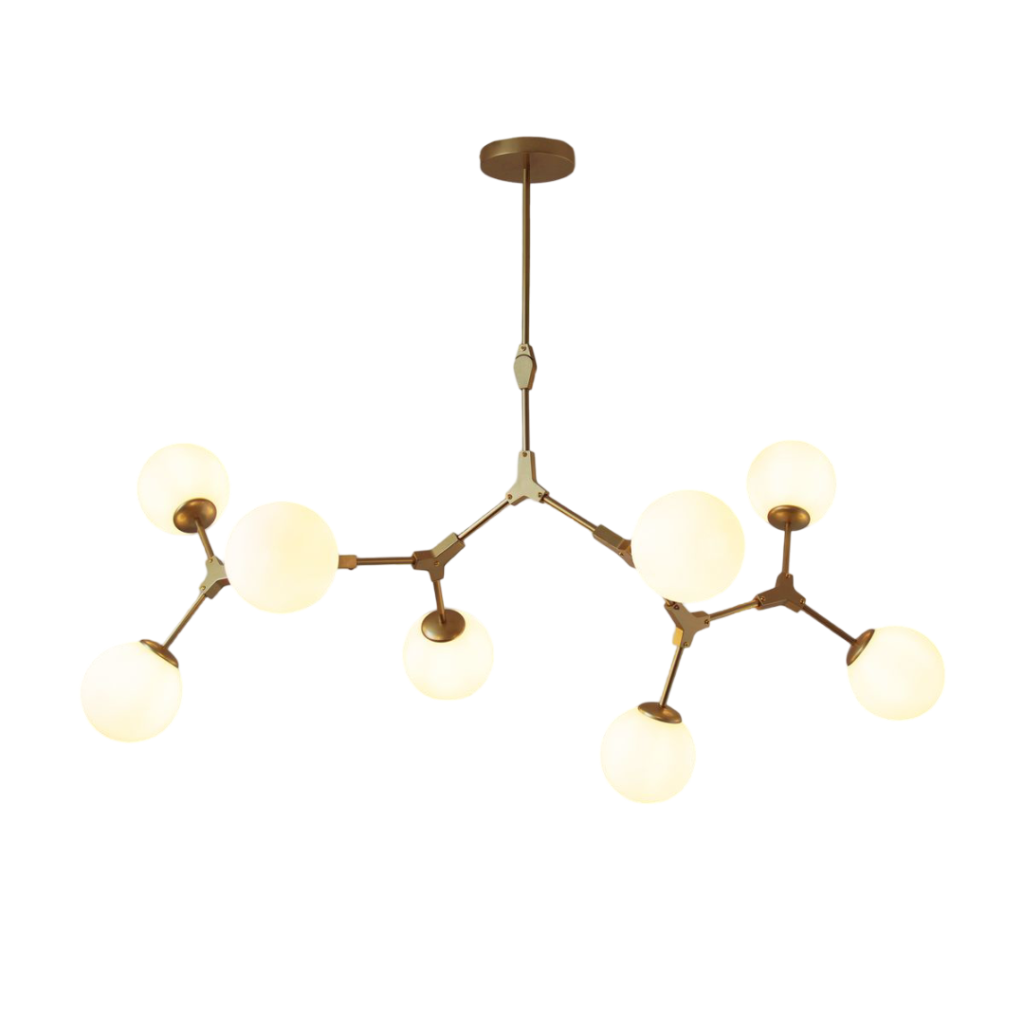
Lighting is not just about visibility—it is about atmosphere, style, and function. The right lighting can make a room feel bigger, warmer, more inviting, or more dramatic. It highlights your home’s best features, enhances your décor, and even influences your mood. In this suggestive guide, we try and explore why lighting matters, how to choose the right type for each space, and the subtle but powerful difference between warm and white lights. Let your home shine—literally. By Sunethra Selvam
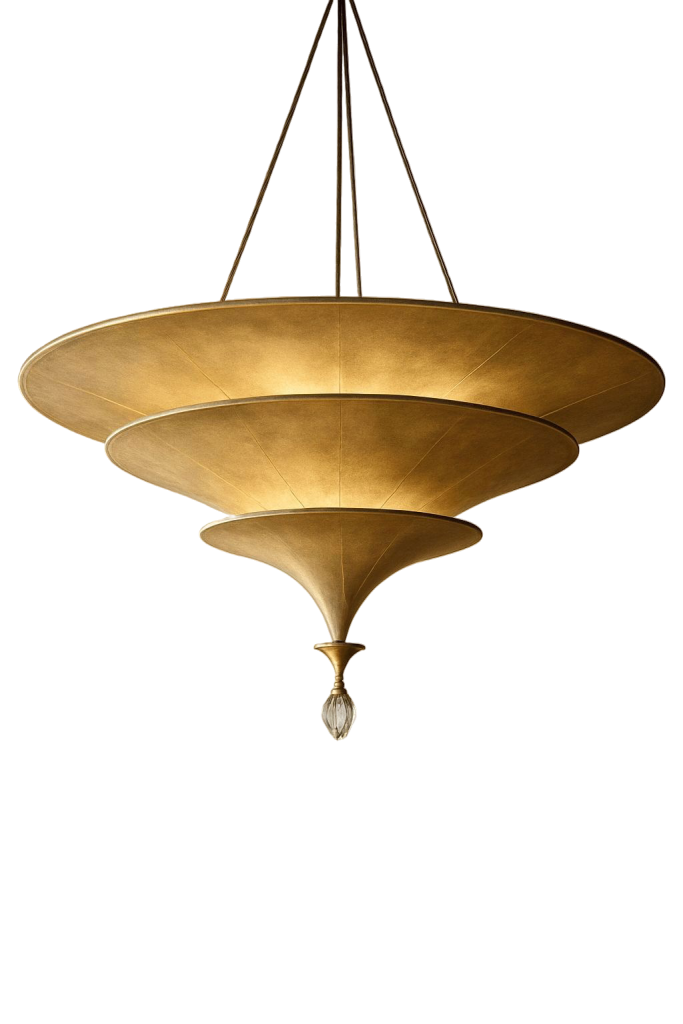
Brilliant Spaces: Why Lighting is the Secret to a Beautiful Home
When we think about home décor, our minds often jump to color palettes, furniture, or wall art. But there’s a silent design element that shapes the mood, style, and functionality of every space—lighting. Whether it’s the soft glow that welcomes you into a cozy living room or the crisp clarity in a well-lit kitchen, the right lighting does more than illuminate—it transforms.

Why is Lighting So Important in Home Décor?
Lighting is both aesthetic and practical. On a functional level, it ensures that spaces are safe and usable—no one wants to chop vegetables in the dark or read under a dim lamp. But lighting also sets the emotional tone of a room. It affects our mood, energy levels, and even our perception of space. Bright, well-placed lights can make a small room feel open and airy, while dim, warm lighting can create intimacy and calm.
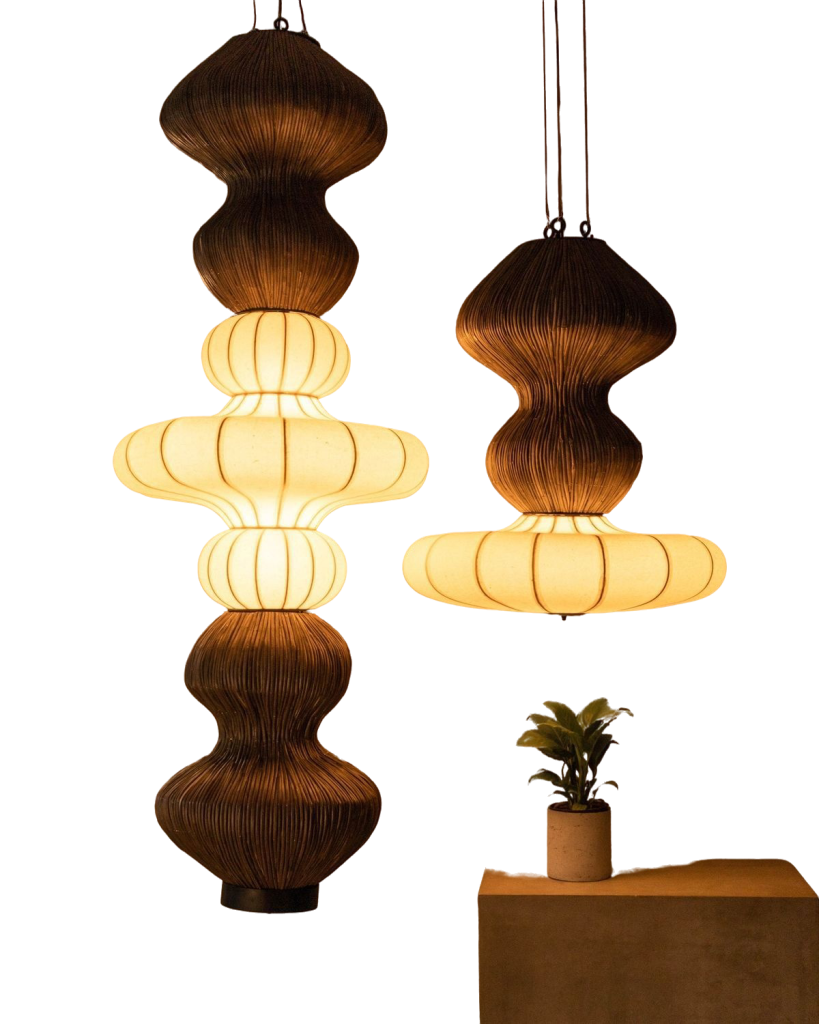
Choosing the Right Light Enhances Your Home
Good lighting is about layering and balance. A well-lit room combines different types of lighting—ambient, task, and accent—each with a specific role:
Ambient lighting is your primary source, like ceiling fixtures or recessed lighting.
Task lighting focuses on functionality, like reading lamps or under-cabinet kitchen lights.
Accent lighting adds drama and highlights features like artwork or architectural details.
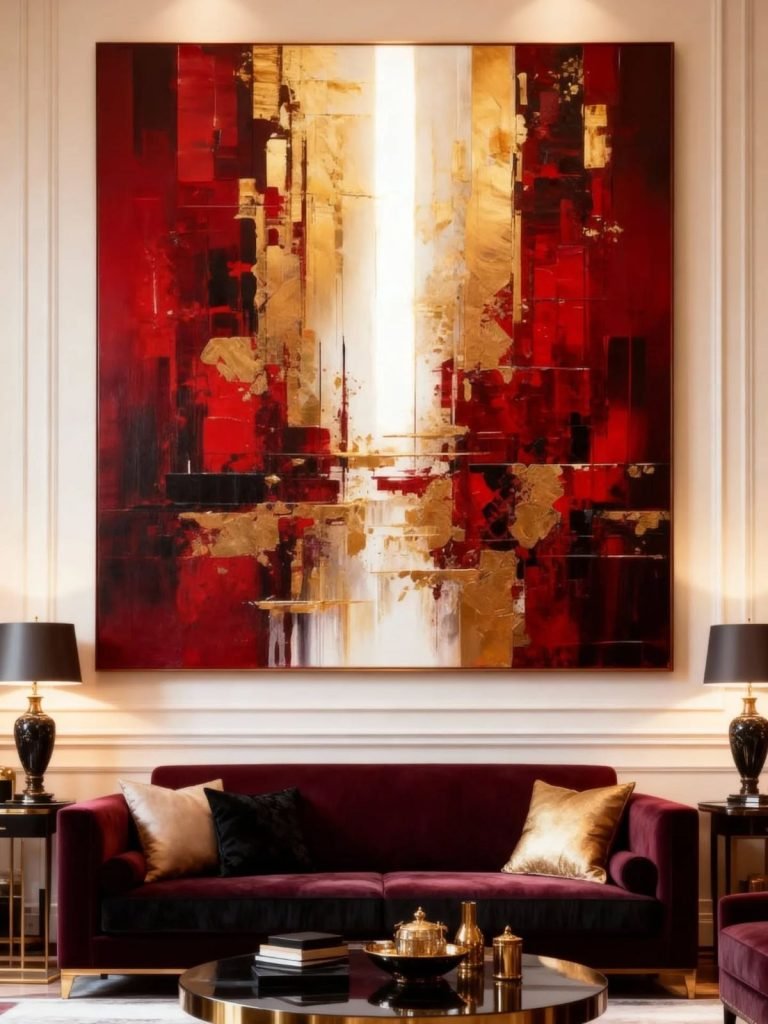
Choosing the right combination enhances how a space looks and feels. It can highlight your favorite furniture, draw attention to textured walls, or simply make a room feel more welcoming.
Warm vs. White Lights: What’s the Difference?
One of the most common lighting decisions is choosing between warm and white (cool) lights. This refers to the color temperature, measured in Kelvins (K):
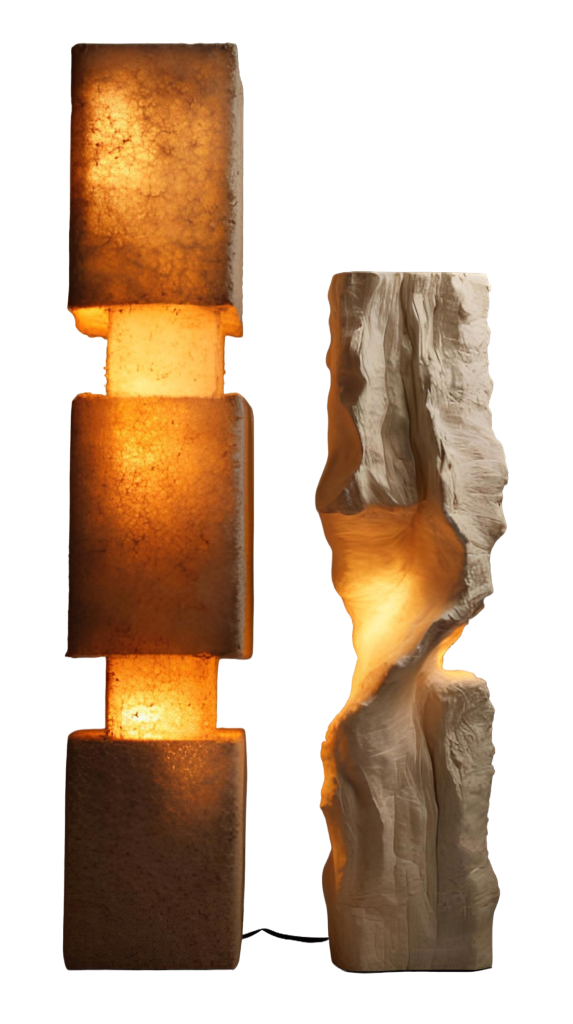
Warm Light: Yellow or amber tones that create a cozy, inviting atmosphere. Ideal for living rooms, bedrooms, and dining spaces where you want people to relax and feel at home.
Cool White Light: Brighter and whiter, mimicking daylight. Best for kitchens, bathrooms, and workspaces where clarity and brightness are essential.
The colour temperature you choose can influence the entire vibe of a room. Warm lighting feels romantic and comfortable, while white lighting feels clean and energetic.

Lighting by Room: Getting It Just Right
Every room in your house has a different purpose, and the lighting you choose should reflect that. Here’s a quick guide that could help you with your choice:
Living Room
Blend ambient lighting (like a ceiling fixture) with soft table or floor lamps. These days lights come with adjustable settings like dimmers. Use them to set the mood for your day.
Kitchen
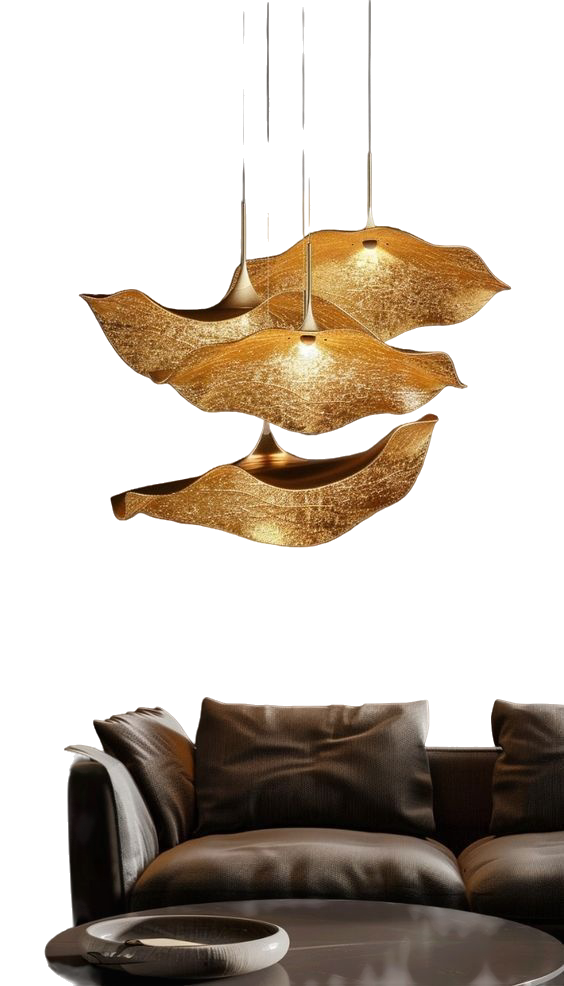
Go for bright, cool lighting. Combine overhead lights with focused task lighting under cabinets or over the kitchen top for efficiency.
Bedroom
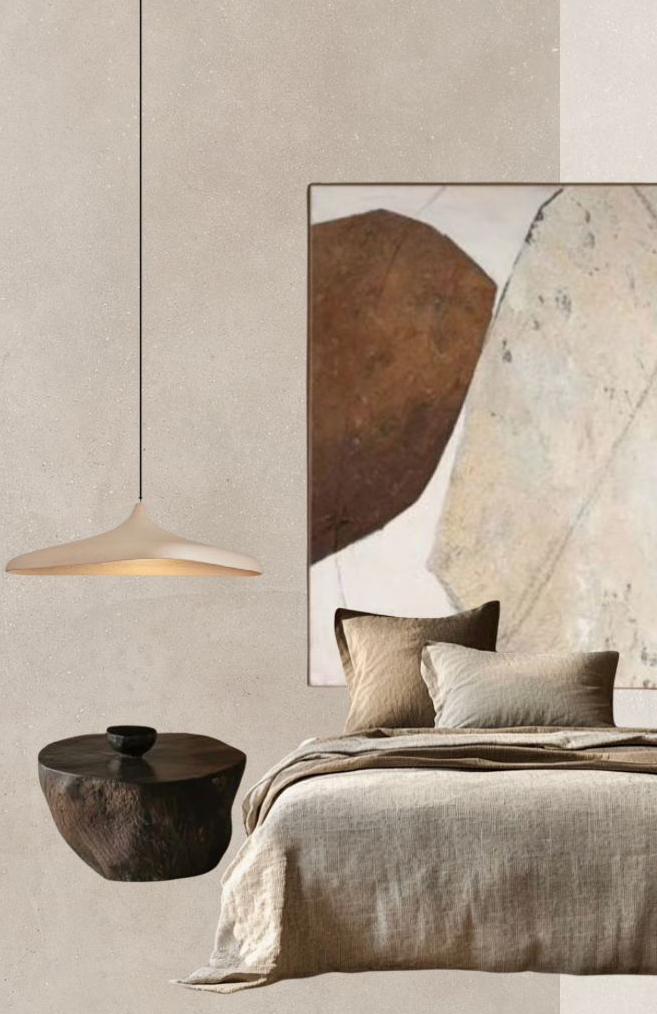
Warm, soft lighting works best. Bedside lamps with dimmers or smart bulbs allow for mood control. Avoid harsh overhead lighting unless it is necessary. Afterall this is the room that you come to at the end of the day and the lights reflecting the mood helps.
Bathroom
A mix of functional and flattering is the key. White lights around mirrors help with grooming, while overhead lighting ensures general visibility.
Dining Room
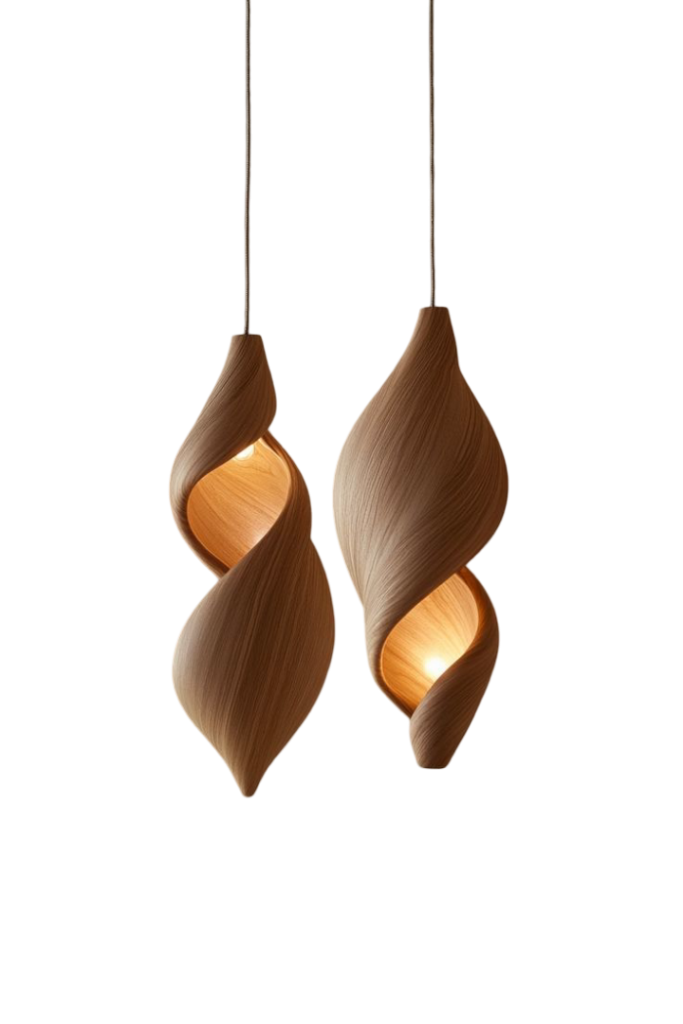
The tone for this room should be warm and ambient to enhance the dining experience. Therefore, the suggestion would be chandelier or pendant over the table, this would add a statement to the décor.
Home Office
Choose daylight-mimicking white light to keep you focused and alert. Desk lamps with adjustable brightness can help reduce eye strain.

Conclusion
In the world of home décor, lighting is the unsung hero. It shapes how we see, feel, and experience every room. By understanding the impact of light—from color temperature to fixture placement—you can turn ordinary spaces into warm retreats, vibrant work areas, or elegant entertaining zones. Thoughtful lighting doesn’t just complete a room—it elevates it. So, as you plan your next décor update, don’t just decorate—illuminate.