DECODING FASHION IN THE EYES OF A COSTUMER.
Among the twenty-four essential crafts that make up the art of filmmaking, costume design holds a distinct and influential place. More than just clothing, costumes play a vital role in establishing the mood, tone, and emotional depth of a film. While there is a wealth of information available about other aspects of cinema, the craft of costume design often remains in the background. This article shines a light on the often-overlooked art of costuming in Tamil cinema, drawing from the extensive experience of veteran costumer Mr. Kase. Through conversations with him, we explore the intricate layers of costume design and its indispensable role in shaping cinematic storytelling.
“I won’t let my costumes stay inanimate; I give them life and make them act as actors do.”
These are the powerful words of Mr. Kase, one of the most celebrated and enduring costumers in the Tamil film industry. With a career spanning over five decades and more than 350 films to his credit, Kase has established himself as a master of his craft. Kase began his journey by assisting Mr. Srinivasan, the then personal costumer to the former Chief Minister J. Jayalalithaa, eventually succeeding him in the same prestigious role after Srinivasan’s resignation. Over the years, Kase became the go-to personal costumer for some of Tamil cinema’s most iconic actresses, including Radhika, Saritha, Geetha, and Silk Smitha to name a few. In this article, he opens up about his five-decade-long journey, offering deeply personal and professional insights into the evolving world of costume and fashion in cinema.
Costume Design Beyond Stereotypes
Amidst the ongoing conversations and controversies surrounding gender roles in the film industry—particularly within the realm of costume design—Mr. Kase’s career stands as a testament to working beyond stereotypes. Having served as the personal costumer to numerous leading actresses throughout the 1980s and ’90s, including the late Chief Minister J. Jayalalithaa, Kase’s work was never defined or limited by gender. His approach was purely professional, grounded in artistic vision and craftsmanship, not in prejudice.
When asked how he interprets fashion in today’s cinema, he offered a thoughtful observation: “Back in the ’60s and ’70s, heroes wore loose pants and tight shirts—now it’s the other way around, tight pants and loose shirts! I’ve always believed that fashion operates in cyclical patterns. Today, I see kids on the street wearing baggy clothes and bell bottoms—it’s all coming back.”
As the conversation continued, Mr. Kase emphasized a critical yet often overlooked aspect of costume design—the indispensable role of accessories. “It doesn’t matter how well a costume is designed,” he said, “without the right accessories, the costume would appear lifeless.” To him, accessories are not merely add-ons but integral elements that complete the visual narrative of a character. And that is why, every accessory is carefully chosen. Today stylists and designers use mood boards to achieve this.
He illustrated this point with a memorable example from his work with renowned director Shankar, with whom he has collaborated since the very beginning of Shankar’s career. Among the many films they worked on together, Kase singled out Jeans (1998) as one of the most challenging projects, especially from a costume perspective.
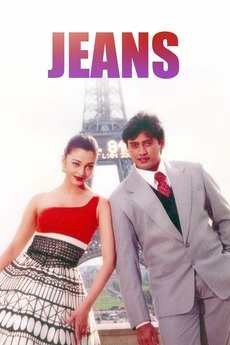
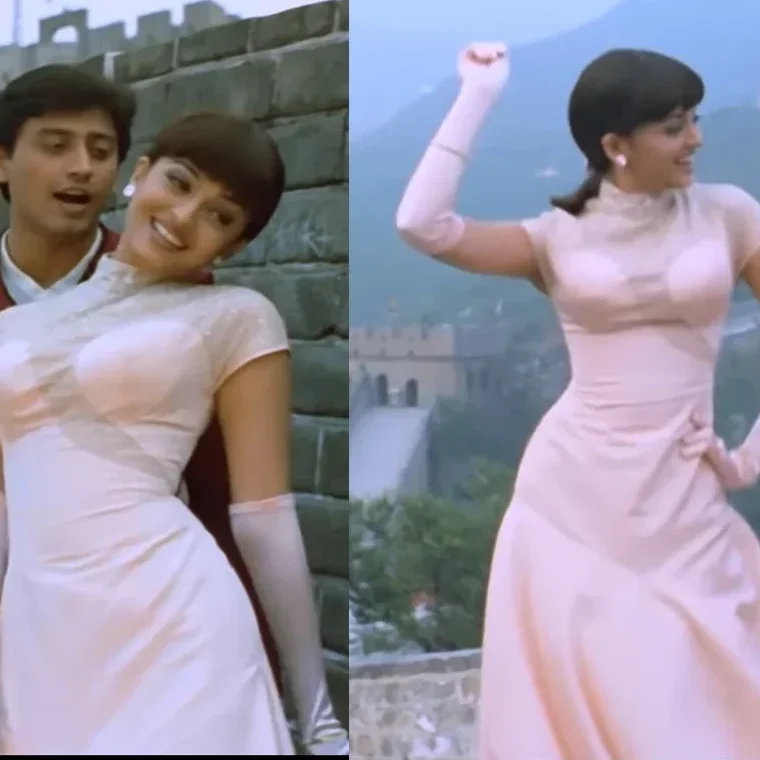
Referring to the iconic “Seven Wonders” song sequence, he noted:
“In that song, the costumes gained their full impact only because of the carefully chosen accessories paired with them. Without those details, the grandeur would have fallen flat.” While giving due credits to the designer Neeta Lulla who brought out the director’s vision, it was Kase’s craftsmanship that gave life to the outfits by translating it to form from drawings,
This statement not only underlines the technical precision required in styling but also reflects Kase’s deep understanding of how every element—no matter how small—contributes to the larger cinematic frame.
While today’s costume design process often begins with mood boards, storyboards, and carefully drafted blueprints, the role of the costumer remains undeniably crucial in bringing those visions to life. It is the costumer who translates design into tangible reality, as stated earlier—stitch by stitch, fitting by fitting—ensuring the final look resonates with the director’s vision and the character’s emotion.
A Costumer’s Wisdom for the Next Generation
“What practical approach should young people take if they dream of becoming costume designers? And what personal qualities should they nurture?”
He responded with a story—one that was, in fact, his own:
“At the age of 14, a boy came to Chennai with no money, no skills, and no clear direction. But he had a vision—to achieve something greater. That boy was me. What got me through was willpower and perseverance along with hard work. Those qualities must be instilled in anyone who wants to last in this field.”
He then offered one final, firm piece of advice:
“One of the greatest qualities I always advocate for is education. I would urge today’s youth to pursue proper education in their field of interest. It’s the foundation that supports everything else.”
In an industry that often shines the spotlight on stars, Mr. Kase’s journey stands as a glowing reminder that the people behind the scenes—quietly shaping every frame—carry stories of resilience, artistry, and timeless dedication.