Abby V: In Tune with Style and Sound
“I see style the way I see music—every piece tells a story.”
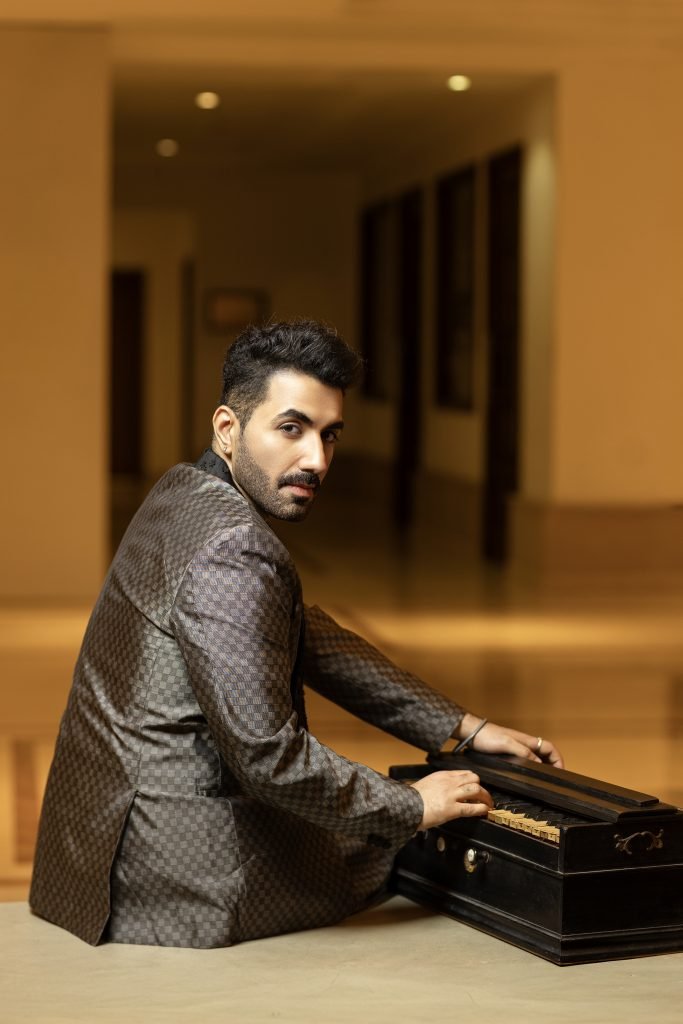
From viral vocal virtuoso to emerging global style force, Abby V is redefining the contours of the modern artist. Grounded in rigorous classical training and propelled by a sound that transcends borders, his journey has resonated with millions across the world. Yet, beyond the music lies an equally compelling narrative—one of personal style shaped with the same precision, intention, and emotional depth as his voice. By Sunethra Selvam
Abby V is a classically trained vocalist who has emerged as one of the most compelling voices of a new musical generation. Known for seamlessly blending traditional Carnatic roots with contemporary global influences, he first captured widespread attention through viral performances that showcased both technical mastery and emotional depth. Today, Abby stands at the intersection of music, culture, and style—an artist whose evolving sound and refined aesthetic reflect a thoughtful, modern sensibility that resonates far beyond the stage.
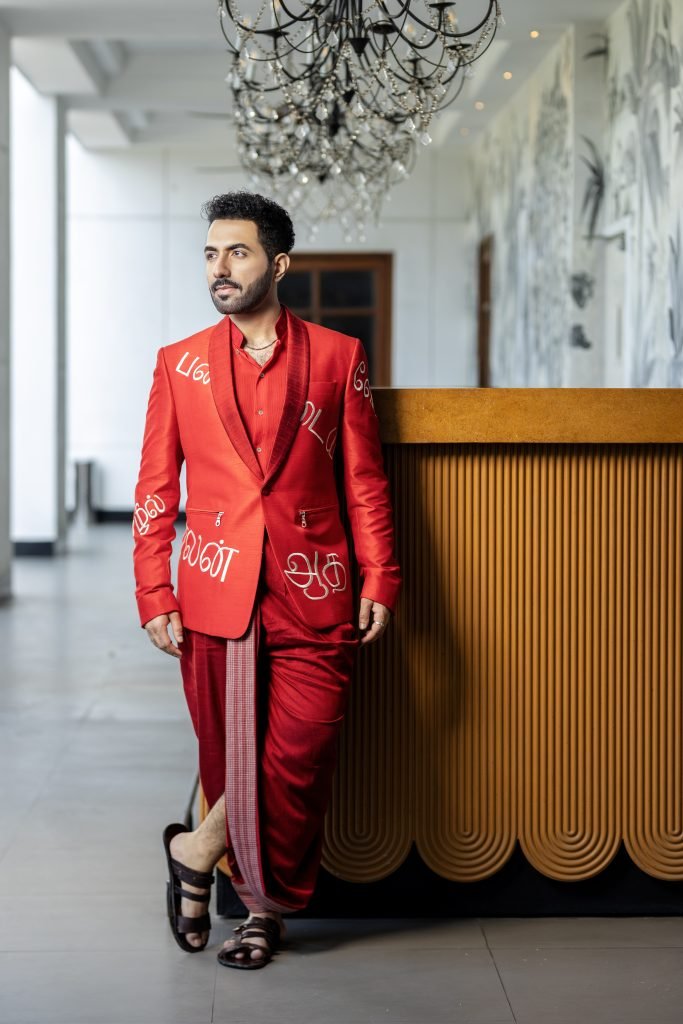
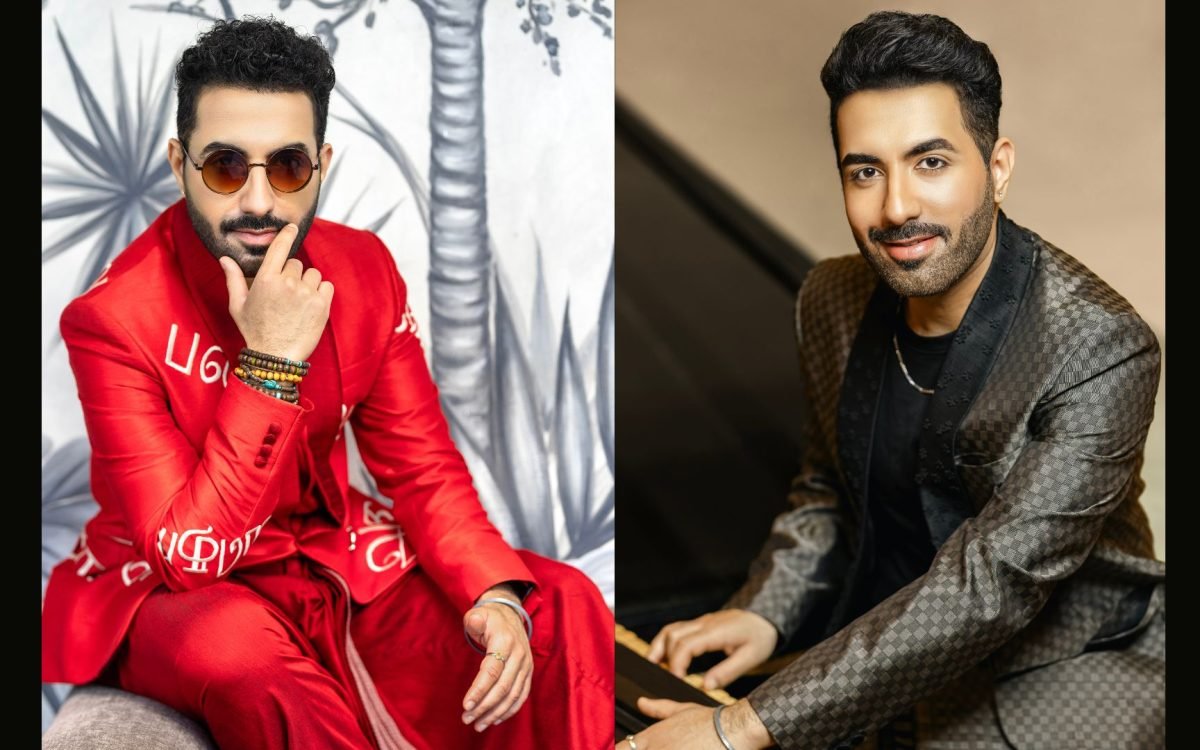
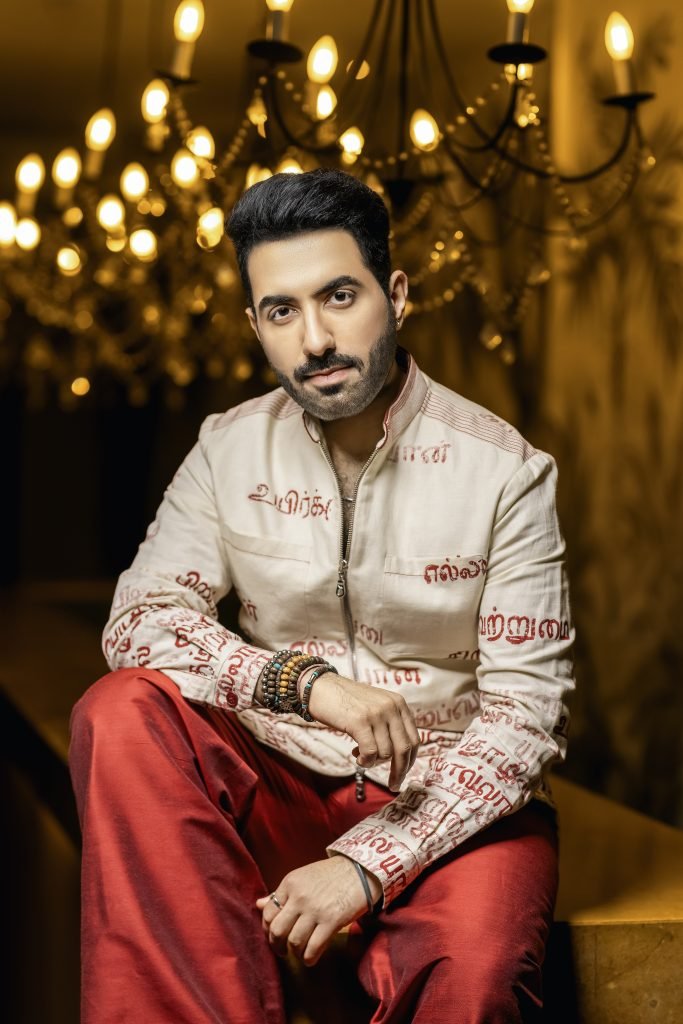
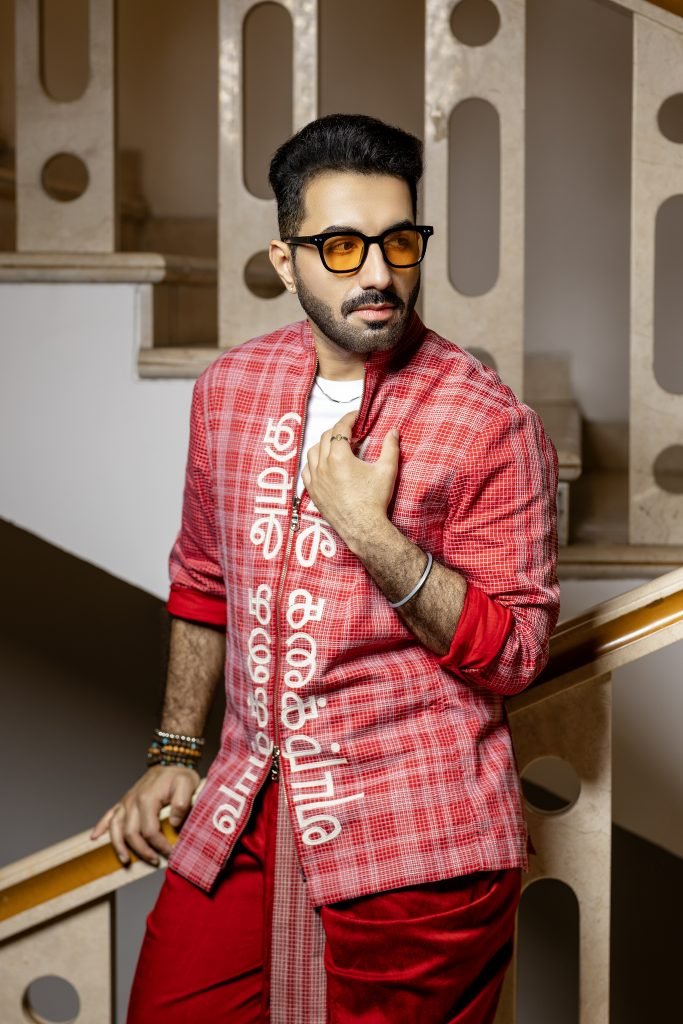
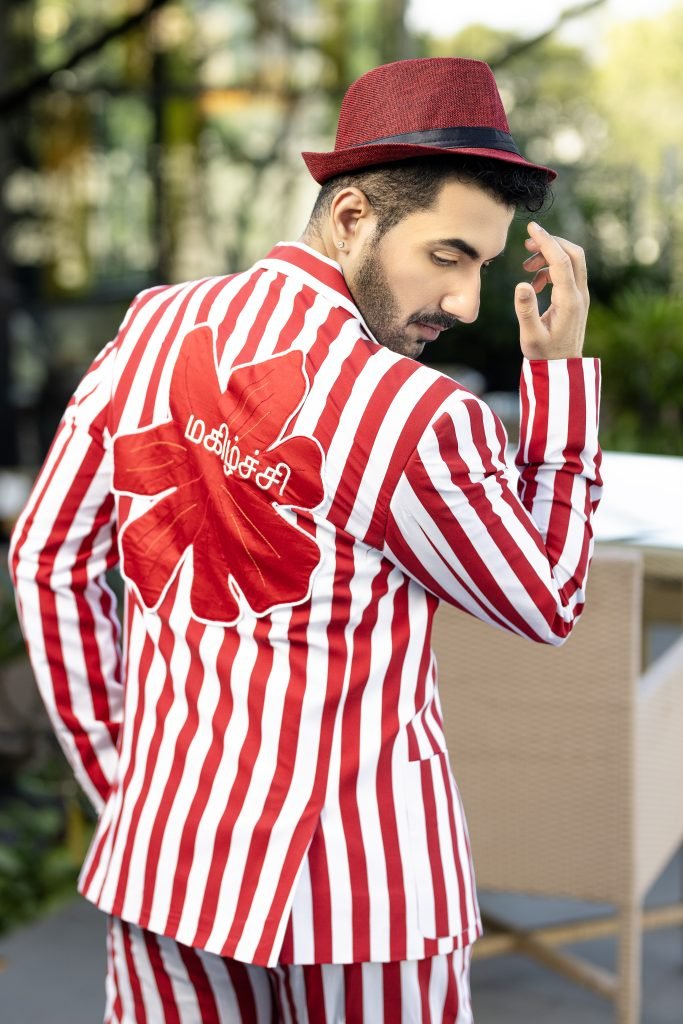
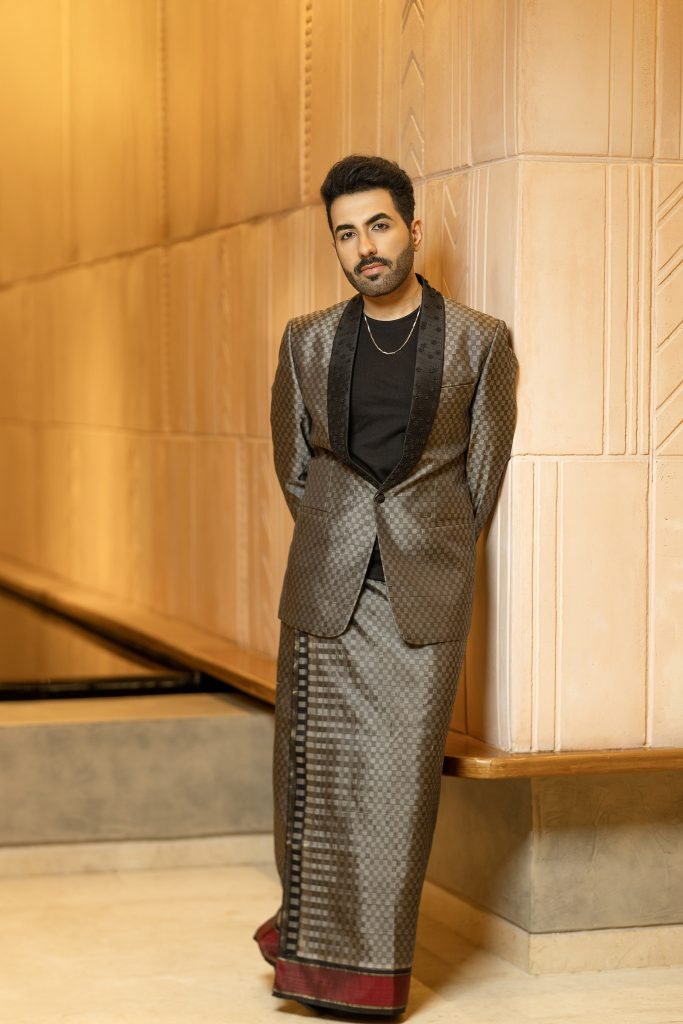
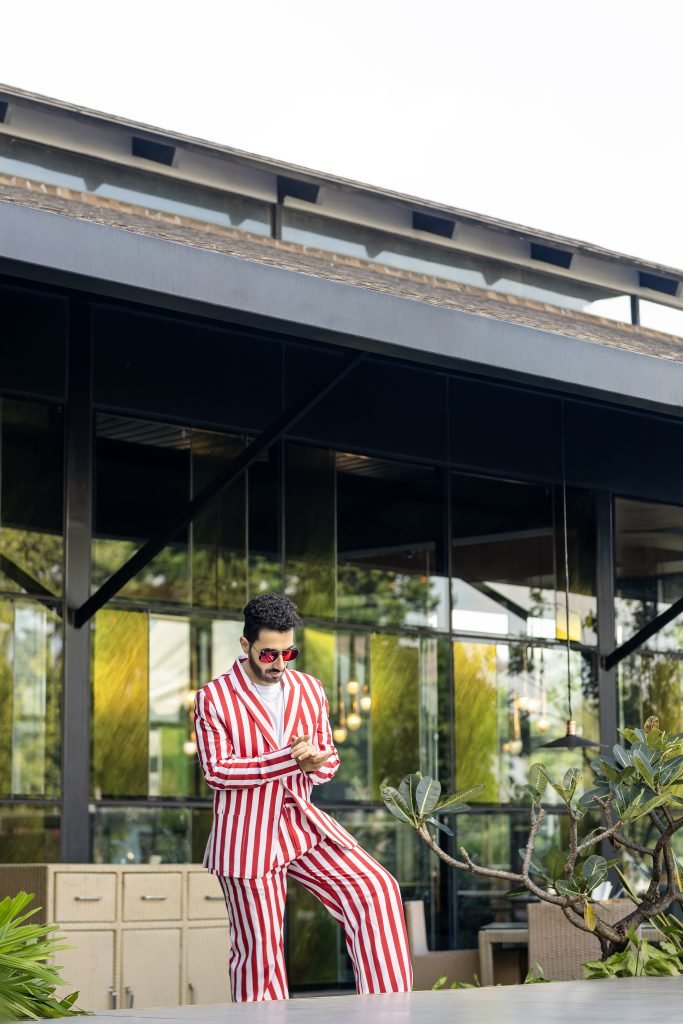
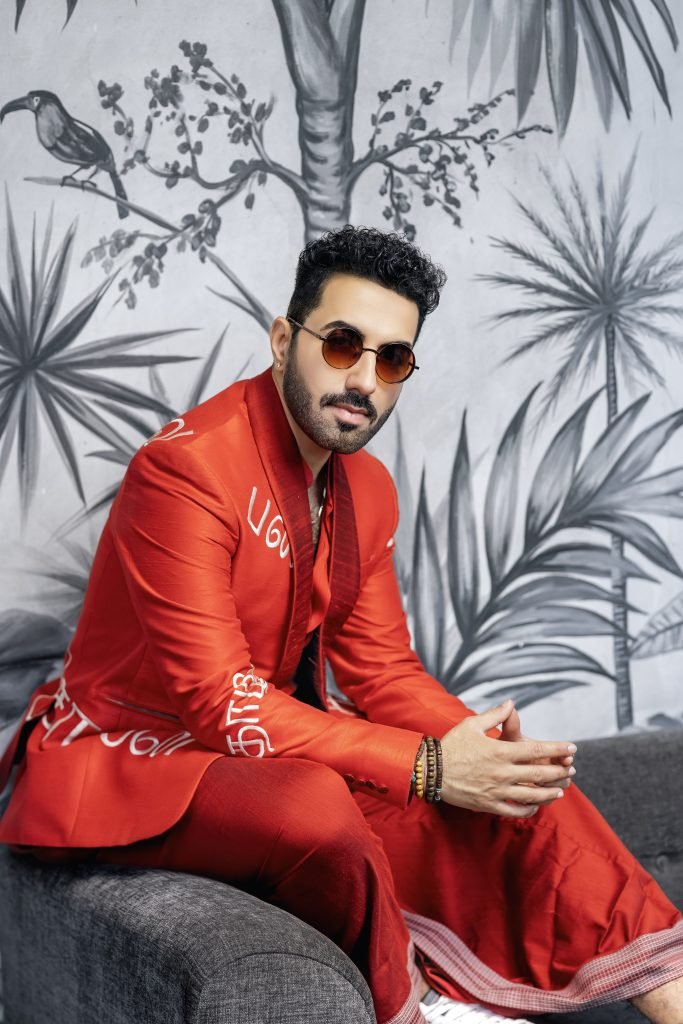
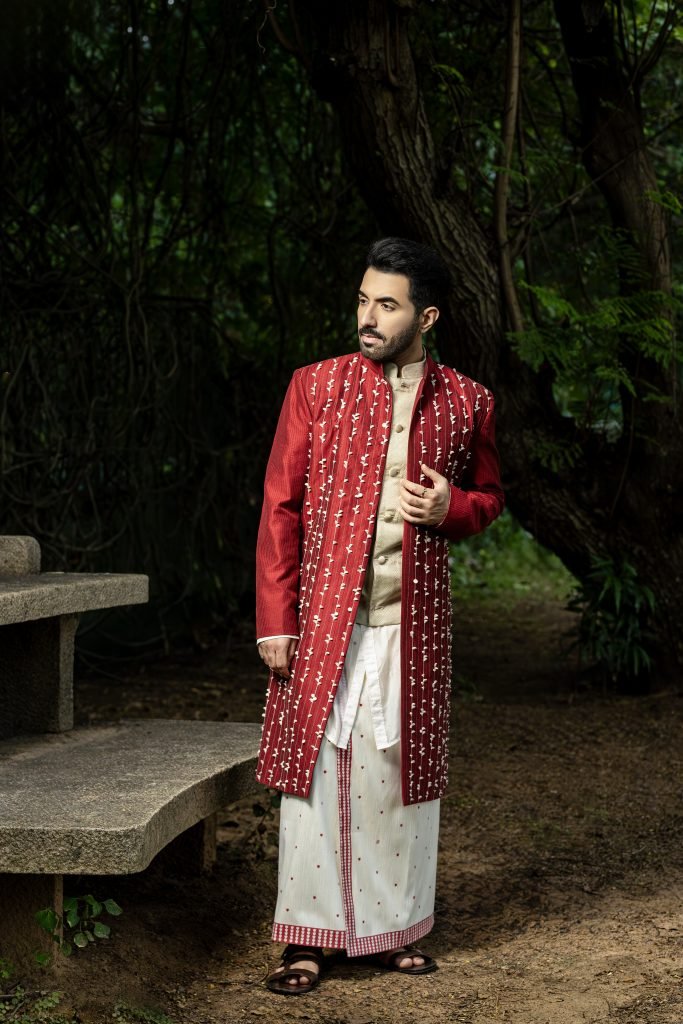
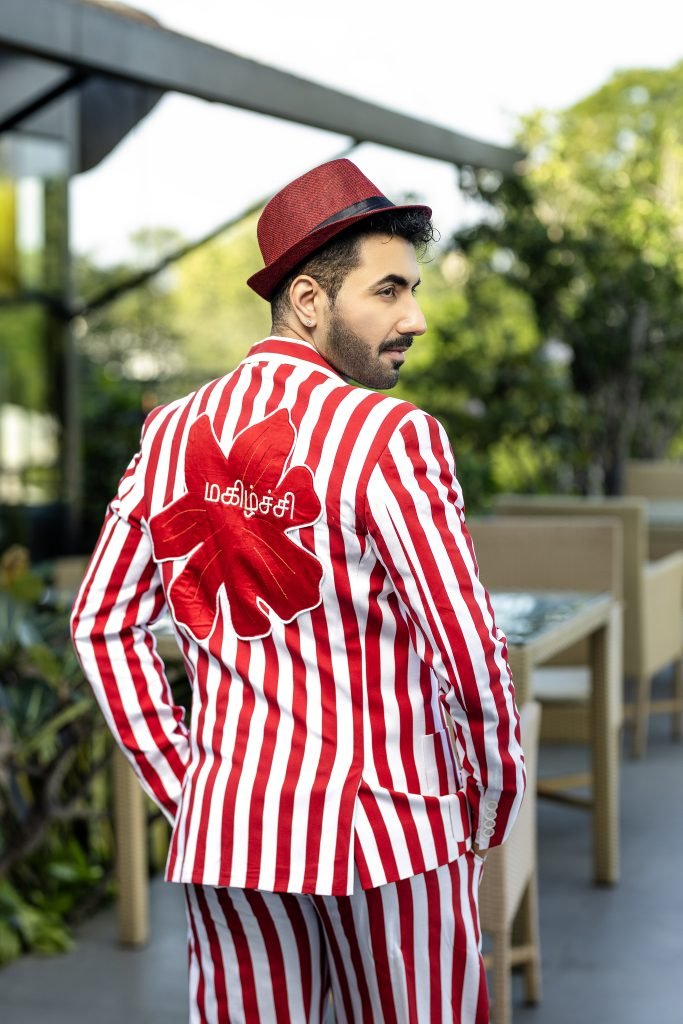
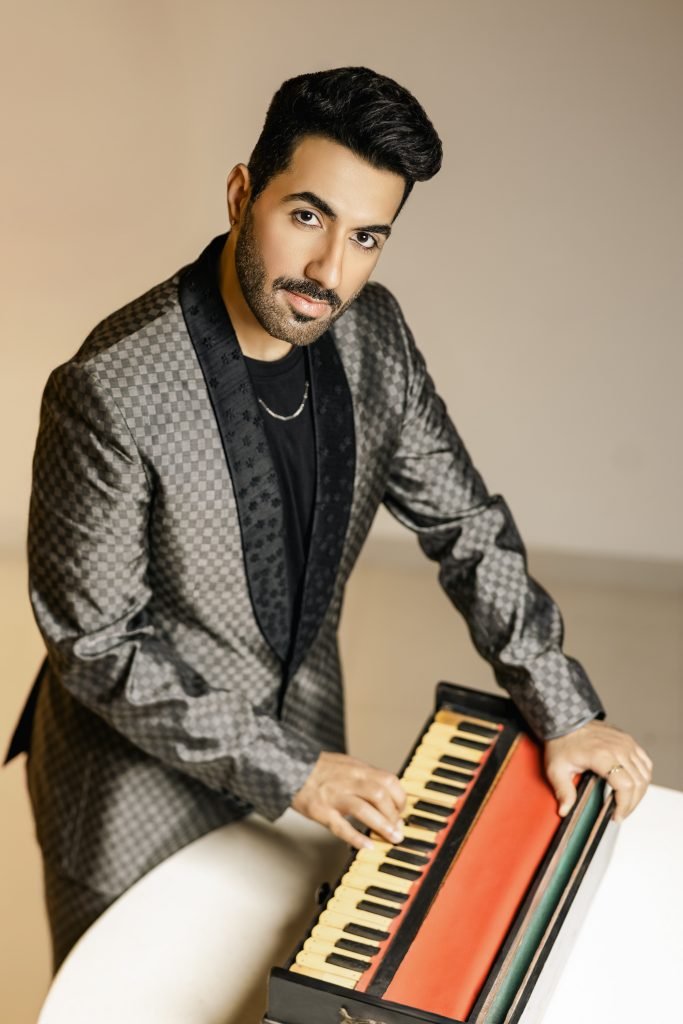
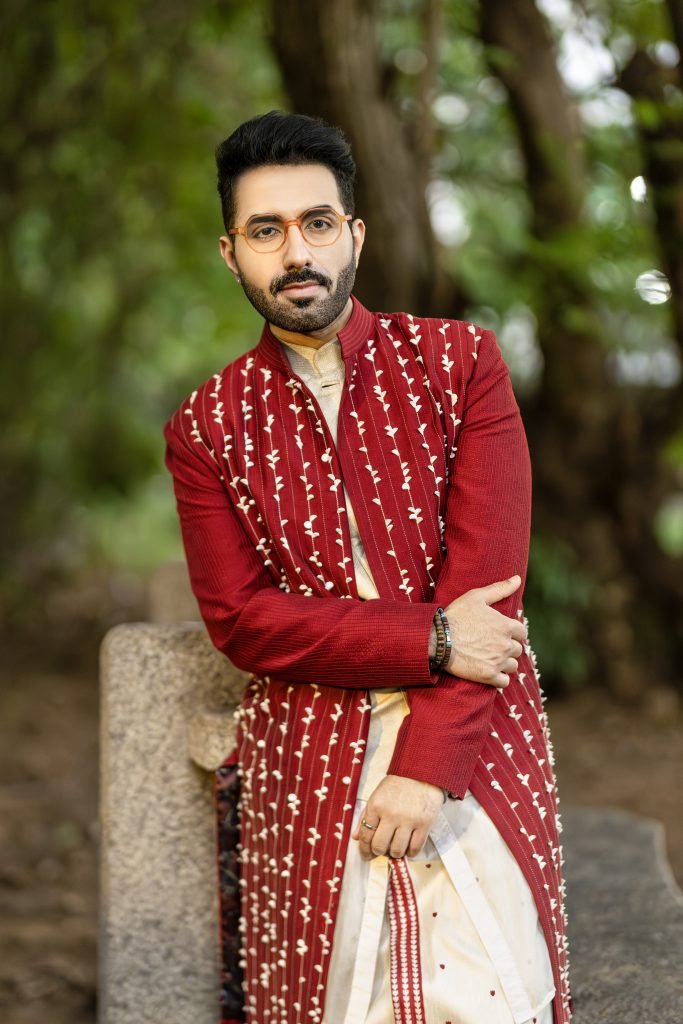
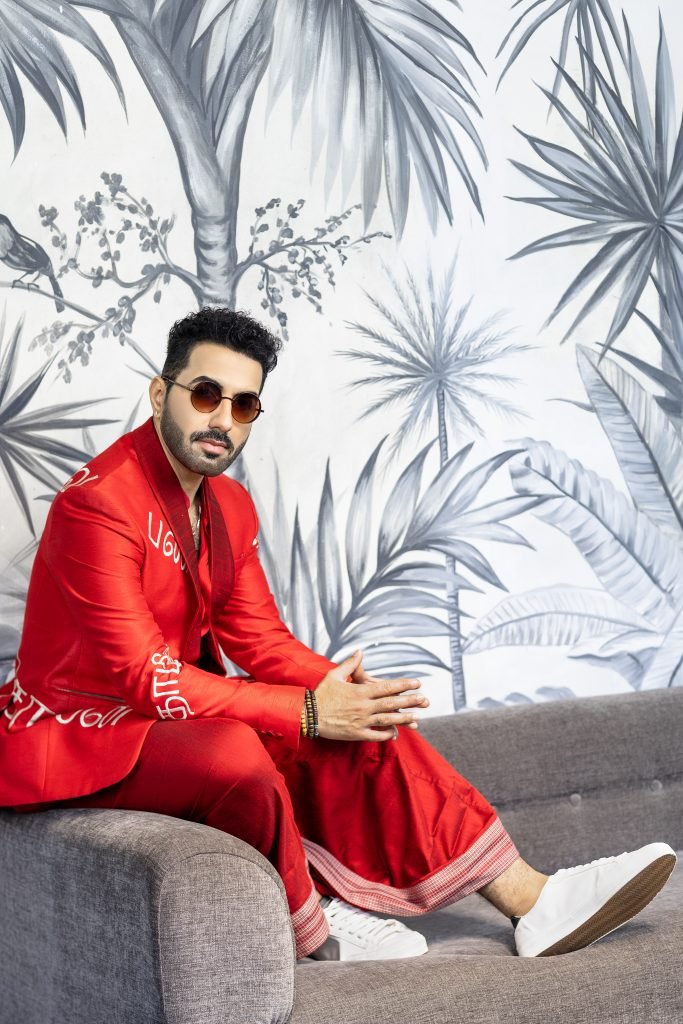
For our cover story, Abby reflects on his formative years, his meteoric rise to international recognition, and the evolving role fashion plays in his creative expression. Draped in Idam, the latest collection by renowned designer Vivek Karunakaran, Abby embodies a seamless blend of tradition and refinement—mirroring the ethos of the collection itself. Here, in his own words, are excerpts from an interesting conversation that goes beyond the spotlight.
Let’s go back to the very beginning—what’s your earliest memory of music, and how did that moment shape the artist you are today?
My earliest memory of music begins at home, with my father. As many people know, he’s a wonderful singer, and music entered my life through him. He would sing lullabies to me, and those moments stayed with me. He’s a huge admirer of RD Burman, Ilaiyaraaja, and A.R. Rahman, and he introduced me to their music when I was very young. That’s where my relationship with music truly began—rooted in warmth, melody, and listening before anything else.
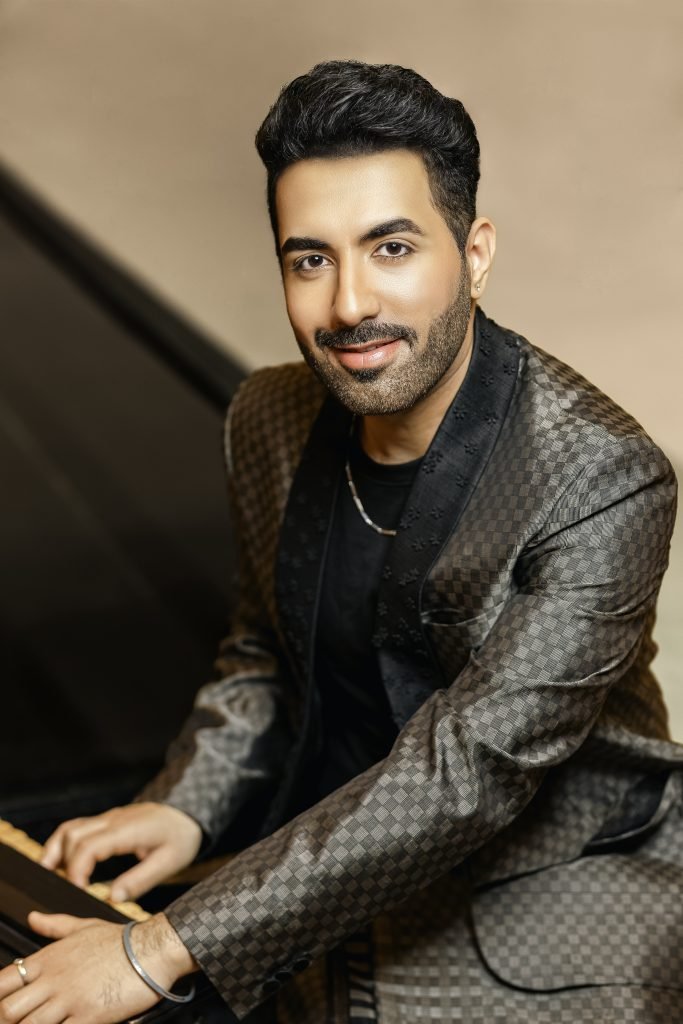
Your journey into the public eye has been anything but ordinary. If you had to describe the turning point that set your rise in motion, what would it be?
Absolutely—my journey has been anything but ordinary, and it started in a very unconventional way. Social media played a huge role, and the real turning point was my video “73 Ragas.” It was my first-ever video, and I wanted to try something different. I walked around my house singing 73 different ragas—a personal experiment born out of curiosity. I posted it with no agenda, and to my surprise, it was met with so much love. People connected with the music and appreciated the way it was presented. That simple, heartfelt video was the beginning of everything.
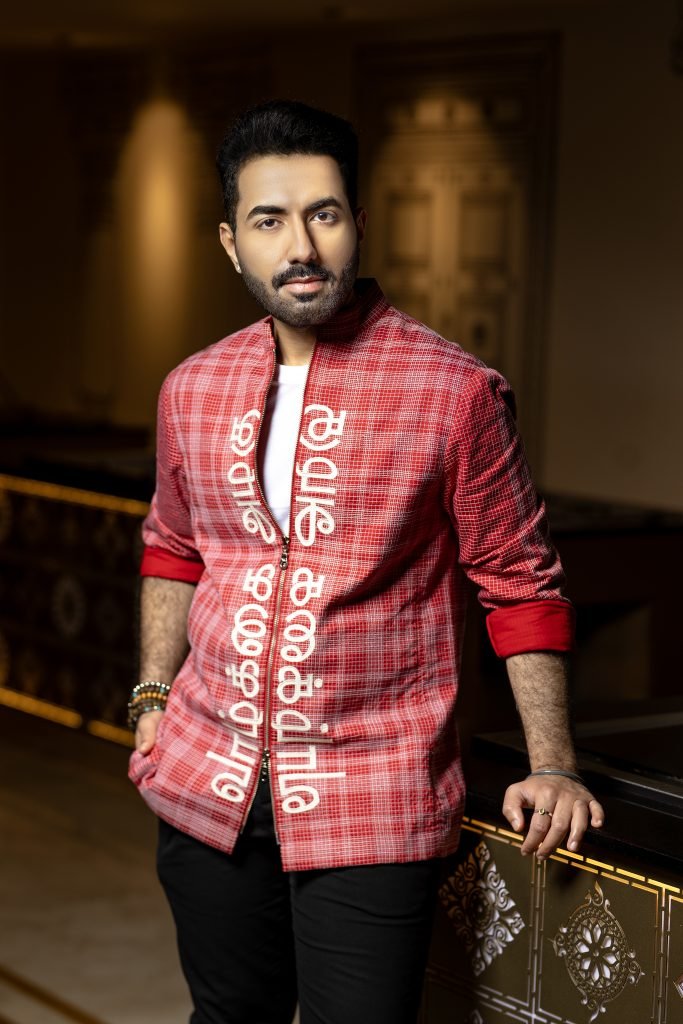
You’ve blended classical training with a modern, global sound. How did your early musical environment influence that fusion?
It’s interesting you ask that, because many assume I began with classical training and later leaned into contemporary music—but it was actually the other way around. I grew up immersed in pop. I’m a huge fan of English pop music; top ten charts, R&B, hip-hop—you name it. Taylor Swift, Chris Brown, all of that shaped me early on, and those influences still show up in how I perform today.
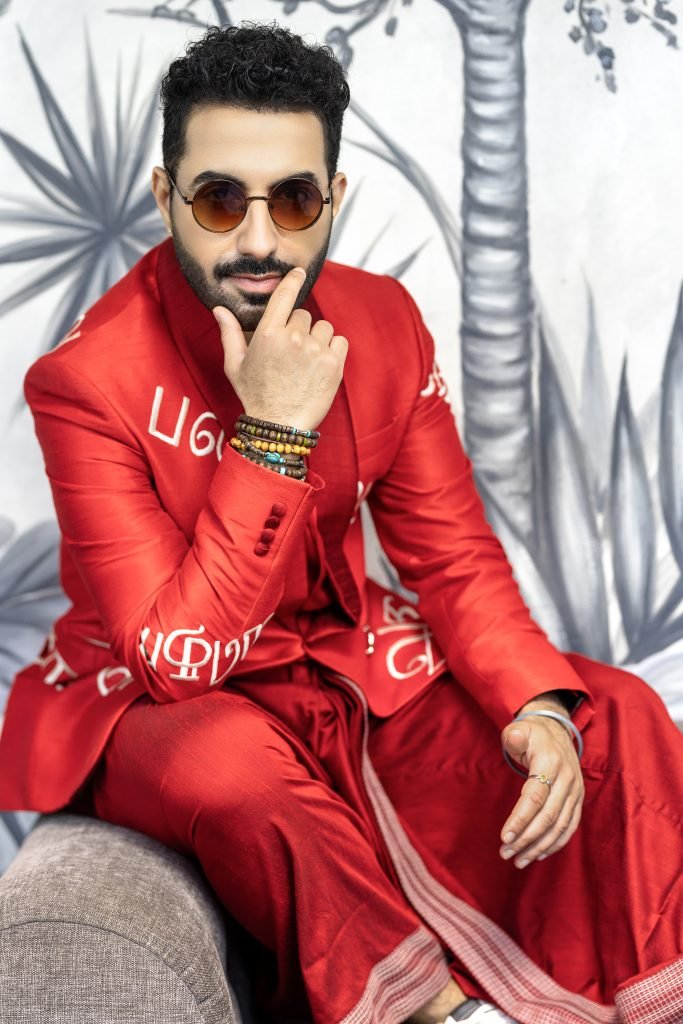
A close friend of mine, Benny Dhayal, once pointed out that when I sing Carnatic swarams, my movements almost resemble hip-hop or rap—it’s core classical music, but the physical expression comes from a very different place. That’s where the fusion really begins.
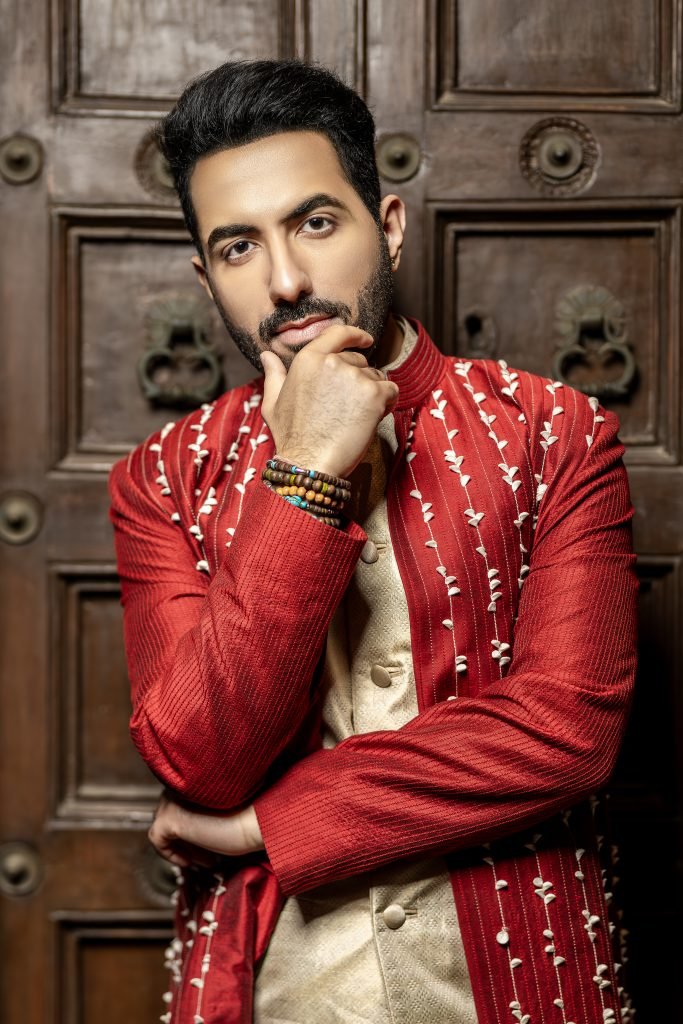
Classical Carnatic music entered my life much later, almost by accident, when I attended a few concerts and was completely taken in by its beauty. The concept of ragas fascinated me—it’s an entire universe of sound. Because I already loved music so deeply, I was able to absorb and learn it quickly, especially the intricate system of raga classification. Today, I feel incredibly fortunate to bring all these worlds together in my own way, and I’m deeply grateful for the audience that continues to support and connect with my music.
Many of your performances go viral for their precision and soul. When did you first realize that your music was resonating far beyond your immediate circle?
The moment it truly sank in was with the 73-raga video I mentioned earlier. It was an abstract idea—just me walking around my house, singing 73 different ragas. When I shared the concept with my parents, they were understandably skeptical. They wondered if people would really connect, especially since many of the ragas aren’t widely familiar.
But something unexpected happened. The sheer power of ragas and the emotional depth of classical music resonated far beyond what any of us had anticipated. That experience taught me a valuable lesson: when you create with genuine passion and honesty, it finds its audience. I share a deeply personal relationship with ragas—some I’m drawn to more than others—but that connection is real. And when you put something so sincere out into the world, it has a way of reaching people in a profound and lasting way.
Can you take us back to when and how playback singing became part of your journey?
Playback singing has been an unexpectedly beautiful chapter in my journey. I never imagined I would step into it so actively. Growing up outside India, I didn’t have much exposure to the film music industry—playback singing is deeply collaborative and requires physical presence, from studio sessions to working closely with lyricists, composers, producers, and actors. Experiencing that kind of creative ensemble was entirely new to me.
What struck me most was the atmosphere. It’s very different from how I usually work musically, and I was pleasantly surprised by the sheer energy of it all. When I began receiving calls to sing for films, it opened up a whole new world. Playback singing in India reaches the masses, introducing your voice to an entirely different audience. After collaborating with composers like Anirudh, Ajaneesh anna (B Ajaneesh Loknath) for Kantara, and Gibran, I found myself connecting with listeners I had never reached before.
Hearing my voice on a big cinema screen was surreal, but the song I sang for Kantara was truly life changing. Watching it in a packed theatre, with the audience cheering as the song played, is a moment I’ll never forget. I remain deeply grateful for that experience and everything it has brought into my life.
How does your experiences on stage differ from those in the recording studio?
Both experiences are incredibly blissful, yet each comes with its own set of challenges. On stage, there’s a lot happening—the sound has to be just right, you’re performing with your own musicians, and everything is live. But the energy is unmatched. You feel a direct connection with the audience, and that immediate feedback creates a beautiful, almost electric synergy.
In the studio, the experience is far more intimate. With playback singing, there’s a different kind of focus required. Beyond hitting the right notes and pitch, you must also deliver according to the demands of the script. Enunciation and expression become key, as every word needs to convey the story and reflect the character in the film. Both environments have offered me incredible growth, and each has been an unforgettable part of my musical journey.
Raised outside India, you sing in several South Indian languages. How difficult was it to get the pronunciations right?
I’ve always loved languages and learning them through music has been one of my favorite ways to connect with a culture. Being South Indian, there’s a natural familiarity among the southern languages. Tamil and Kannada come easily, and Telugu feels accessible too, thanks to the wealth of Carnatic compositions by Saint Thyagaraja. My roots in Kerala make Malayalam feel instinctive, while growing up in a family from Delhi gave me fluency in Hindi. And, of course, living in Canada introduced me to Punjabi, which I picked up along the way!
The spotlight can be overwhelming for rising artists. What has fame taught you—about the world and about yourself?
Fame, I’ve learned, is deeply personal—it’s really about the love and connection people show toward your work. It hasn’t changed who I am or what I create. Having a growing audience doesn’t alter my principles, my fundamentals, or my beliefs. If anything, it pushes me to be more inclusive with my art and to reach as many people as possible. At the end of the day, staying grounded, holding on to your purpose, and being clear about what truly matters keeps everything in perspective. When you do that, fame doesn’t define you—it simply becomes part of the journey.
Fashion and music often reflect each other. How has your personal style evolved alongside your musical journey?
Absolutely—fashion and music grow together, and my style has evolved a great deal along the way. I see myself as a temporary version of who I am every five years, constantly shifting and redefining. Because of that, I’ve never tied myself to one signature look. My approach to fashion has always been free-flowing and instinctive. That said, I do feel myself evolving. I’m loving today’s looks—they feel fresh, confident, and exciting—and I’m still learning as I go. I’m very open when it comes to my fashion game, just like my music.
Fans love your clean, contemporary aesthetic. What influences your fashion choices—comfort, culture, mood, or something else?
That’s an interesting question, because it really comes down to comfort. If you look closely, I’m often in oversized hoodies—even in my videos. I like my fashion to feel easy, both for me and for the audience to take in. I’m very much a pop artist and closely tuned into pop culture, and right now oversized silhouettes speak that language perfectly. So yes, comfort leads the way—but it’s comfort with intention.
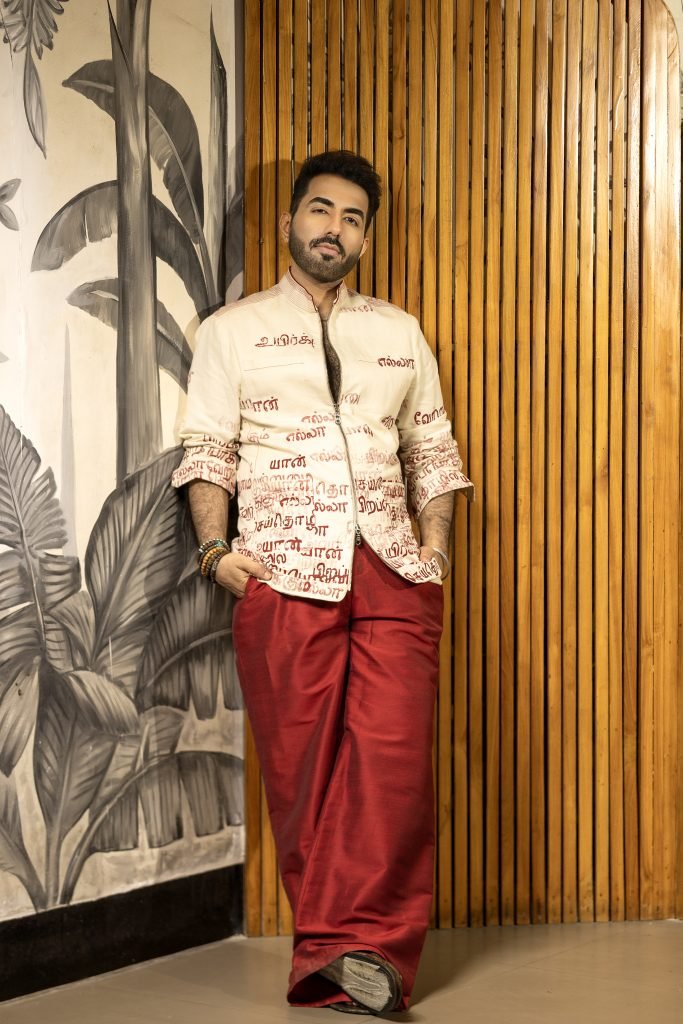
Do you think fashion plays a role in shaping an artist’s identity on stage? How intentional are you about the way you present yourself visually?
Absolutely—fashion plays a huge role in shaping an artist’s on-stage identity. There are so many artists whose image is instantly recognizable through their style alone. Lata ji, for example, is forever etched in our minds in her pristine white saree and diamonds. Benny Dayal is known for his funky glasses, hats, and sharp blazers, while my friend Ricky Kej is celebrated for recycling his outfits every time he appears at the Grammys or Cannes.
Most artists carry an identity that may not always be overt or tangible, yet it still makes a strong statement. For me, the intention is simple: I want everything to feel easy, comfortable, and lightweight. That sense of effortlessness is what defines my visual identity.
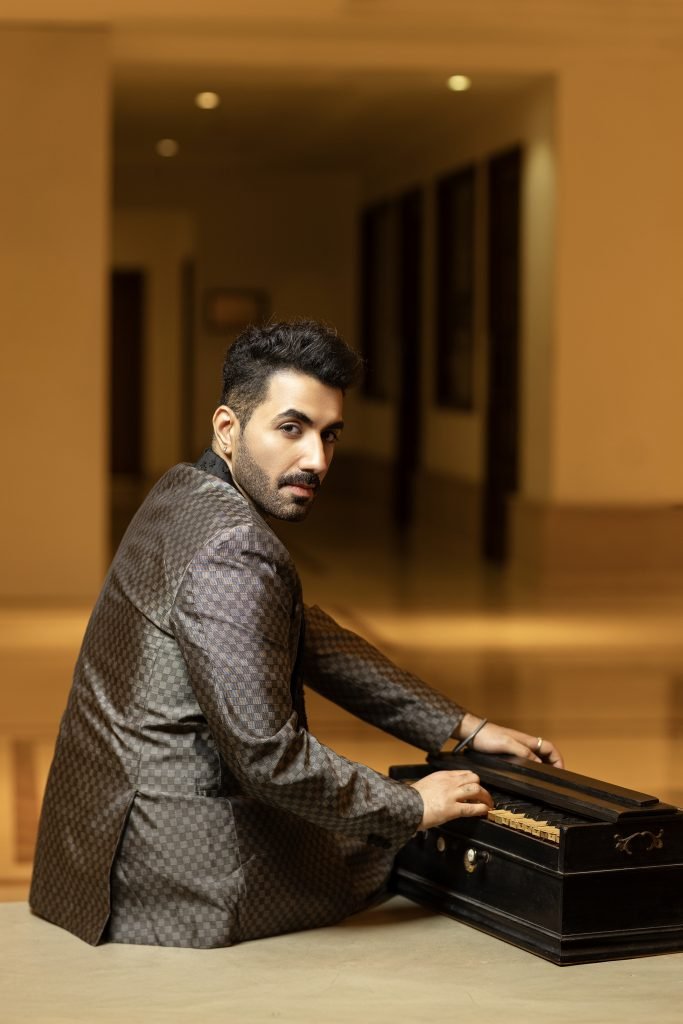
If you could describe your signature style in three words, what would they be—and why?
Relaxing. Comfortable. Soothing.
Those three words capture how I want my style to feel—not just for me, but for anyone experiencing my music or my presence. It’s about ease, warmth, and a sense of calm that carries through everything I do.
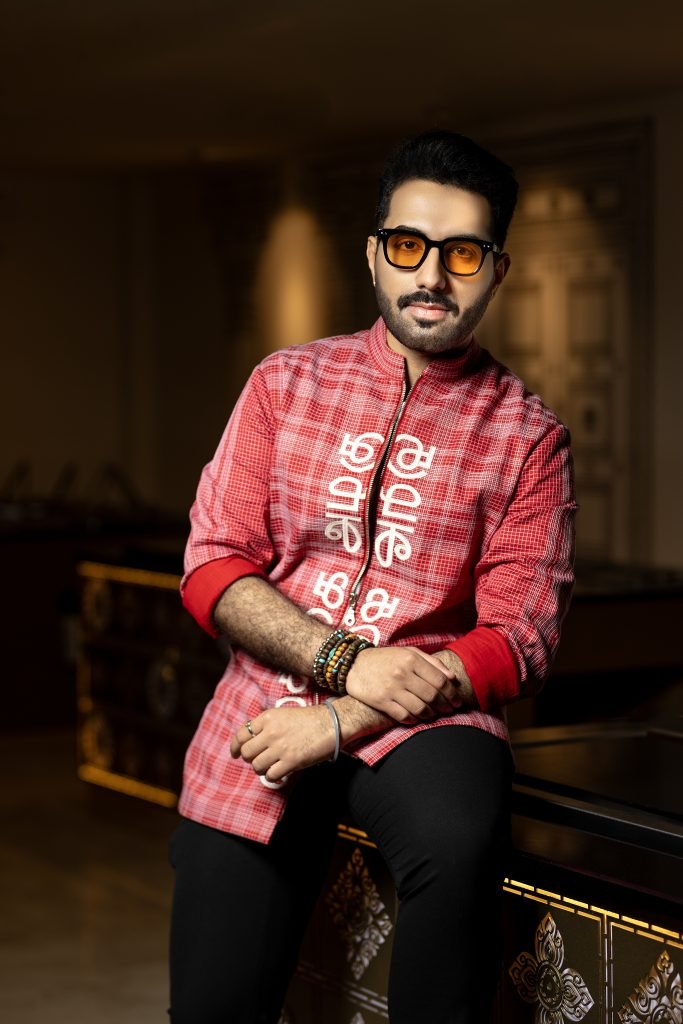
This cover story blends music and fashion. What do you hope readers understand about you—not just as a singer, but as a creative who expresses himself through multiple forms of music?
That’s a thoughtful question—thank you! Beyond being a vocalist, many people see me as an entertainer. Much of my career has unfolded on social media, where the visual aspect is just as important as the music. When people watch my reels or videos, they’re choosing to spend their time engaging with my content, and that connection matters deeply. I think it’s the energy, the aura I bring, that draws them in—perhaps that’s why they see me not just as a singer, but as a full-fledged entertainer.
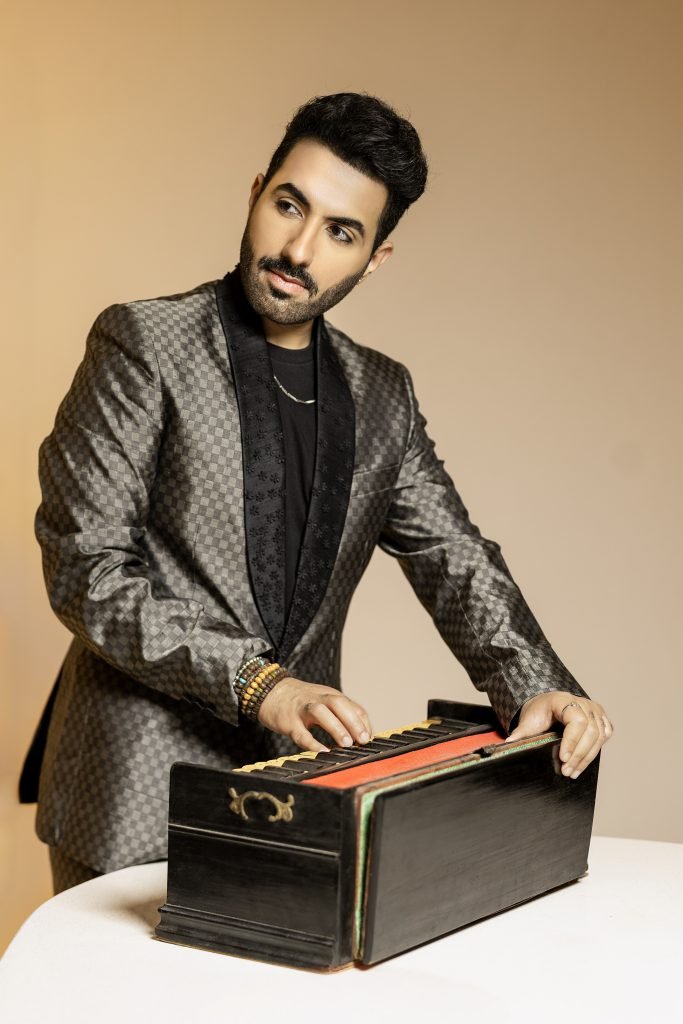
What is your recommendation to all the aspiring singers/musicians out there?
Laughs I’m still young in this journey, so I won’t pretend to have all the answers. But what I’ve learned is simple: just go for it. I used to be so insecure, so full of doubt, and that fear held me back. Many talented musicians hesitate the same way—but the key is to stop overthinking and just hit that upload button. Share your work without holding back. There’s always an audience out there who will appreciate it, and who knows—just like one of my videos on ragas changed my life, something you create could change yours too.
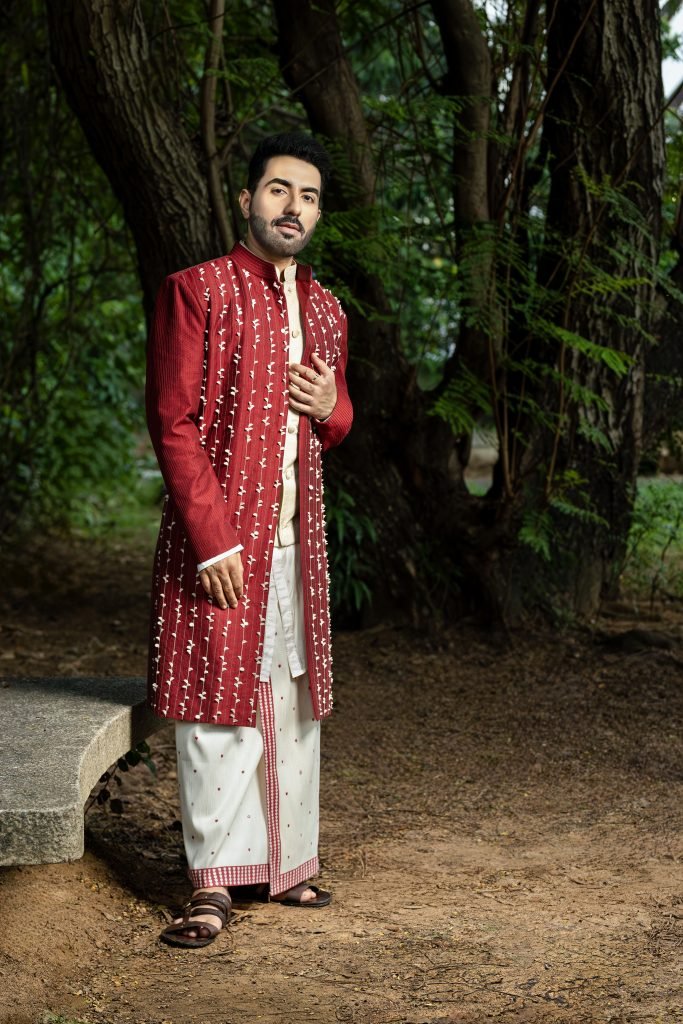
Music x Fashion Rapid Fire with Abby V
- Raga that best describes your personal style.
Brindavani Saran
- Your must-have accessory on stage—mic jewellery or statement jacket?
Statement Jacket
- If your music had a fashion genre, would it be streetwear, couture, or classic?
That’s difficult to answer… guess it will be a mix of classic and streetwear.
- One outfit you have never perform in?
As of now I have never performed my show in a Veshi
- Most stylish musician of all time, in your opinion?
Latha Mangeshkar ji. Her signature style -white with Diamonds. I also like my friend Benny Dayal’s style
- Silk kurta or sharp blazer for a music video look?
A blazer and a kurta inside!
- Song of yours that you think is the most “fashion runway” worthy?
It’s a great question!! Honestly you might think this is a complete miss-match, but it has to be the Kantara song. And I recently walked the ramp to it
- Comfort or aesthetic—what wins on a concert day?
Aesthetic
- A fashion trend you’d love to bring into the music world.
Maybe shawls, stoles. I do not see many wearing them these days.
- One look that you liked for the Idam collection.
I love this look (the black look). From top to toe. This I think will be the new Abby look!
- What does Fashion mean to you?
Fashion to me means a form that can be relatable to other people, it is like food. I think it is a great way to connect with people.