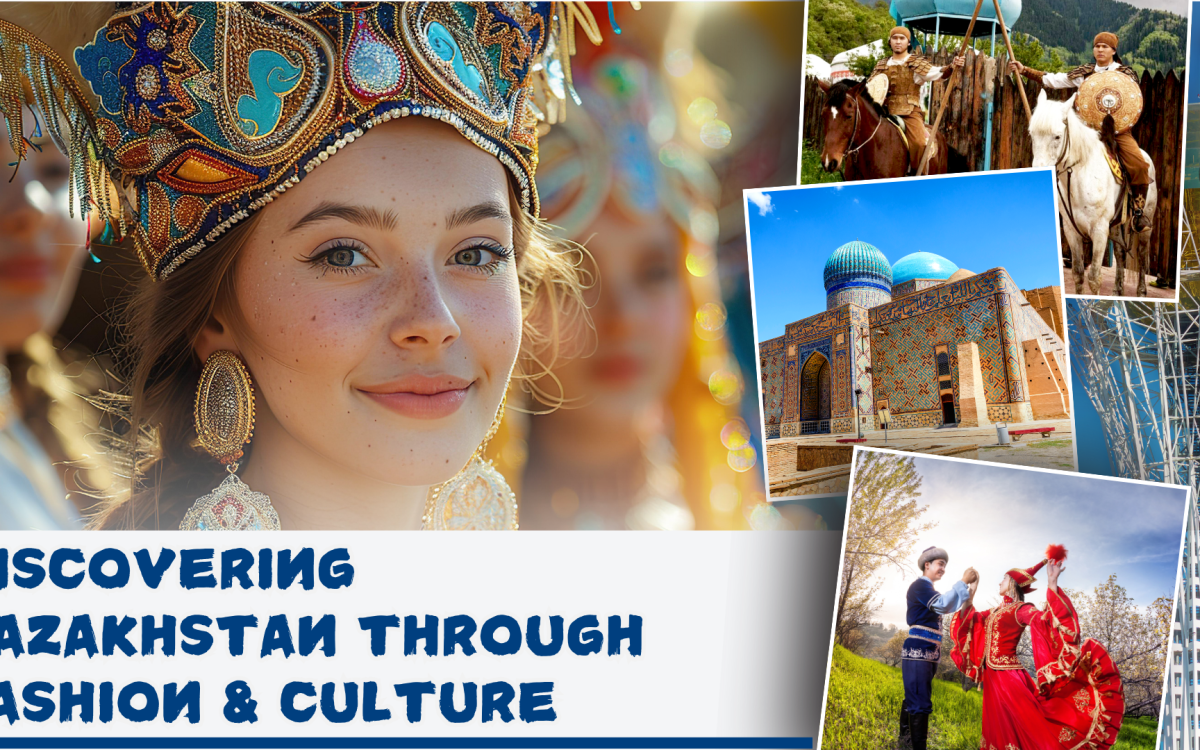
Explore the rich heritage of Kazakhstan through its vibrant fashion and timeless cultural traditions. From intricate textiles to nomadic influences, discover a world where style meets history.
Tucked between the sweeping Eurasian steppe and the snowcapped Altai Mountains, Kazakhstan is a cultural kaleidoscope, a sight for sore eyes, where centuries of nomadic legacy meet modern luxury. Long overshadowed on the global fashion radar, the country is now strutting confidently into the global spotlight — and doing so with serious style.
From the bustling boutiques of Almaty to the ancient silversmith stalls of Turkistan, Kazakhstan’s aesthetic is a masterclass in contrasts: rich heritage woven seamlessly with avant-garde expression.
NOMADIC ROOTS, MODERN SILHOUETTES
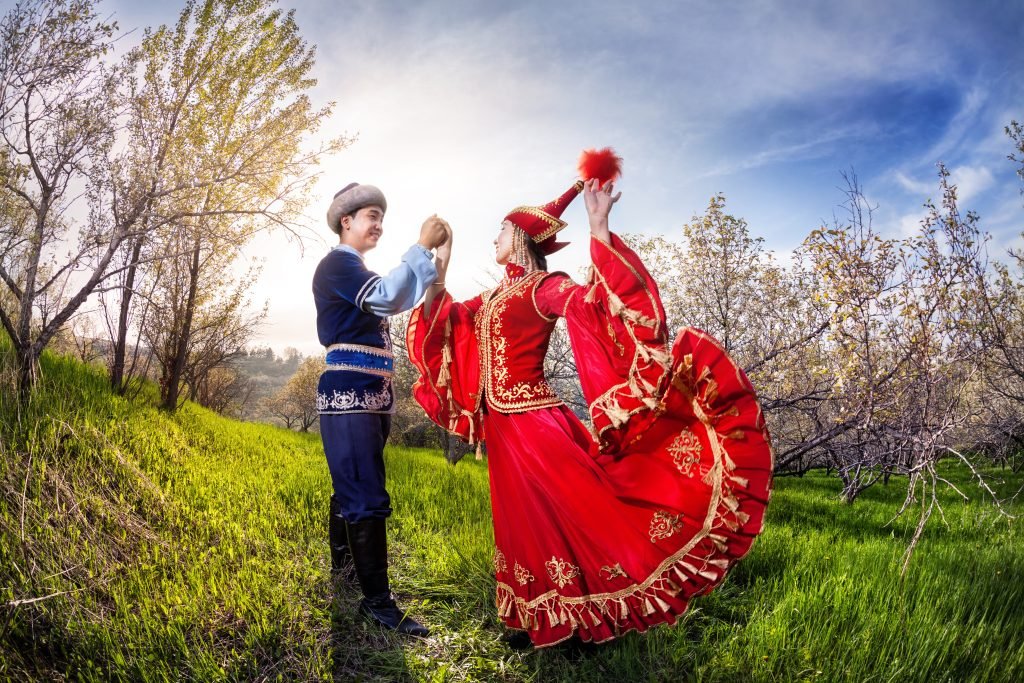
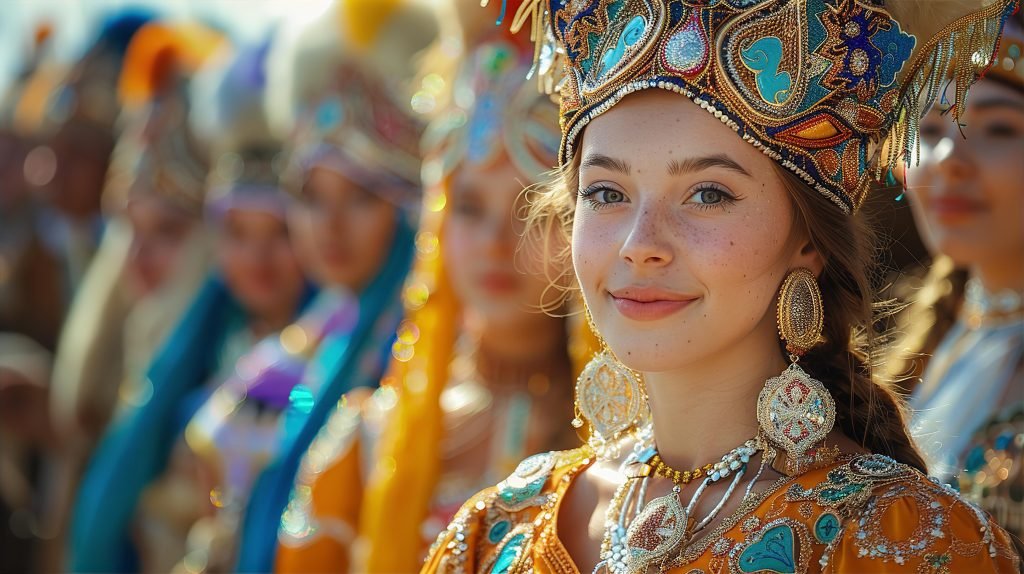
In a place where history was carried on horseback, Kazakh fashion has always been both utilitarian and beautiful. Traditional garments, such as the shapan —a long, ornate overcoat —and the tumar, a protective amulet, are still worn today, not just in ceremonies, but also on city streets and runways.
Designers such as Salta and Aida Kaumenova are breathing new life into ancient forms, creating collections that fuse hand embroidery, velvet, and gold thread with sharp tailoring and minimalist cuts. It’s wearable heritage — designed for the now.
ACCESSORIES THAT SPEAK
Kazakh accessories are not just for show — they tell stories. Oversized silver earrings, crescent-shaped talismans, and engraved cuffs speak to ancestry and spirituality. Even bridal jewellery can weigh several kilos — not just as a symbol of wealth, but of cultural pride.
Today, young artisans are transforming these heirloom motifs into contemporary wearable art. Think: oxidized silver rings styled with street wear, or traditional saukele headpieces (the saukele is the headdress of a Kazakh bride), reinterpreted in contemporary couture.
LIFESTYLE & CELEBRATION
Kazakhstan is a land of sweeping steppes, majestic mountains, and deep-rooted nomadic traditions. As the world’s ninth-largest country, Kazakhstan offers an eclectic mix of modern cities, Silk Road heritage, and rich cultural experiences. Whether you’re drawn to its historical sites or intrigued by its artisan crafts and hearty cuisine, Kazakhstan promises a travel experience that bridges the ancient and the contemporary.
Visit Cultural and Historical Places
1. Almaty – The Cultural Capital
Kazakhstan’s largest and former capital city, Almaty, is known as the center of vibrant culture and history. Almaty’s streets come alive with parades, music, and cultural showcases. For fashion lovers, it’s the ideal time to witness authentic Kazakh attire in its most vibrant and ceremonial form — and maybe even pick up a few pieces to take home.
- Zenkov Cathedral: One of the world’s tallest wooden buildings, located in Panfilov Park, it’s a marvel of Tsarist-era architecture.
- Central State Museum: A great place to begin your cultural journey, with exhibits covering Kazakh history from prehistoric times to independence.
- Kok-Tobe Hill: For panoramic city views and a peek into Kazakh folklore through local art displays.
2. Astana (Nur-Sultan) – The Futuristic Capital
Kazakhstan’s capital boasts ultra-modern architecture fused with cultural symbolism.
- Bayterek Tower: A symbol of Kazakh folklore, representing the mythological Tree of Life.
- The National Museum of the Republic of Kazakhstan: Home to the “Golden Man” and extensive exhibits on the Silk Road and nomadic culture.
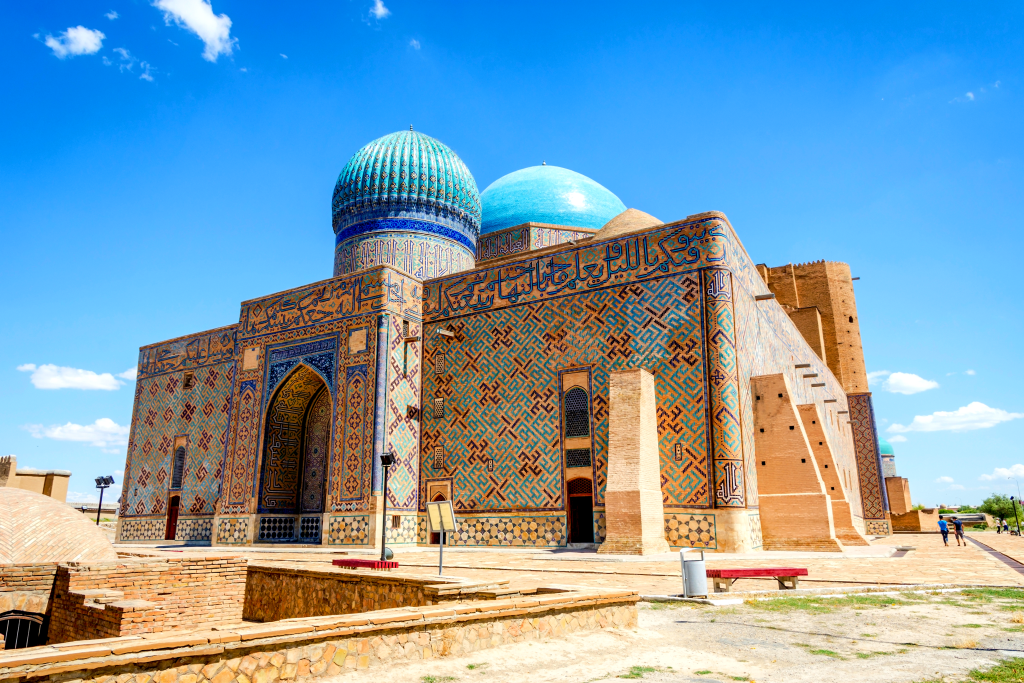
3. Turkistan – The Spiritual HearTurkistan stands as a sacred symbol of Kazakhstan’s spiritual and historical legacy.
- Mausoleum of Khoja Ahmed Yasawi: A UNESCO World Heritage site and a masterpiece of Timurid architecture, it’s a pilgrimage site and an architectural gem.
- Otrar Ruins: One of the oldest cities along the Silk Road, offering insights into early urban culture.
4. The Charyn Canyon
Dubbed “Kazakhstan’s Grand Canyon,” its red rock formations and silence connect visitors to the natural and spiritual heritage of the region.
- Ethno Auls: Stay in traditional yurts around Almaty or the Burabay region. Participate in horseback riding, eagle hunting demonstrations, and felt-making workshops.
- Nauryz Festival (March 21st): Time your visit to witness the vibrant celebration of the Kazakh New Year, marked with music, dancing, wrestling, and feasting.
Traditional Markets & Things to Shop
Kazakhstan’s bazaars and artisan shops are treasure troves of history, craft, and color. Look out for:
1. Green Bazaar (Zelyony Bazaar), Almaty
This bustling market offers:
- Traditional spices, dried fruits, and nuts.
- Kurt (dried cheese balls) and chak-chak (a honey pastry).
- Handmade textiles and embroidered felt goods.
2. Sairan Bus Station Market, Almaty
Perfect for:
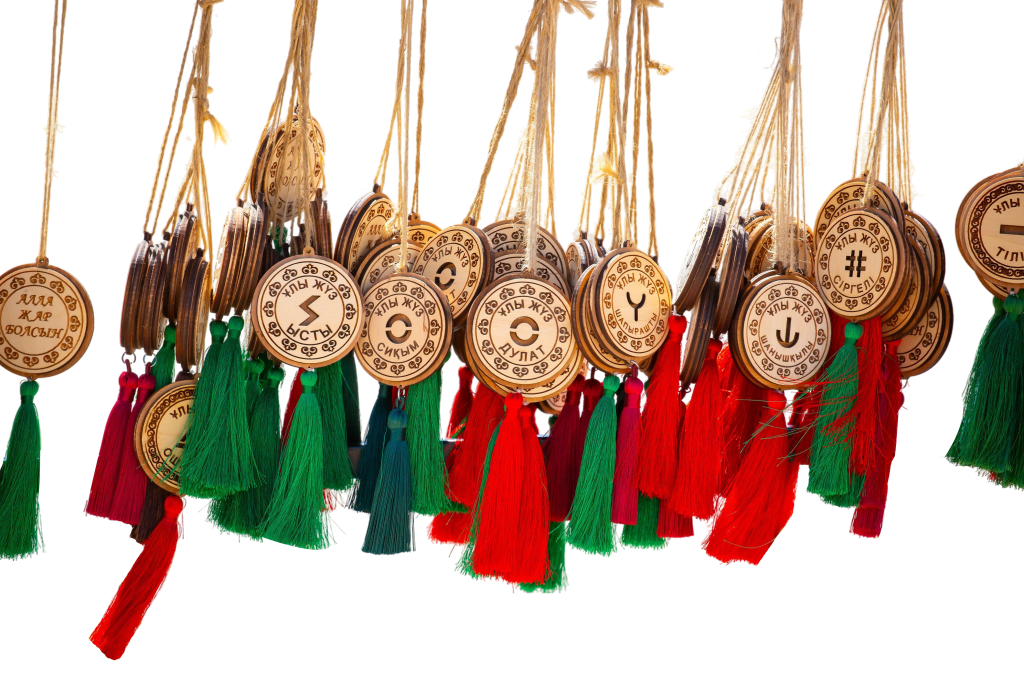
- Buying shapan (traditional cloaks), tumar (amulets), and Kazakh carpets.
- Horsehair jewelry and hand-forged knives.
3. Arbat Street, Almaty
Kazakhstan’s own walking arts district:
- Street artists, local painters, and souvenir vendors.
- Beautifully painted ceramics and miniature yurt replicas.
Where to Eat: A Taste of Kazakh Cuisine
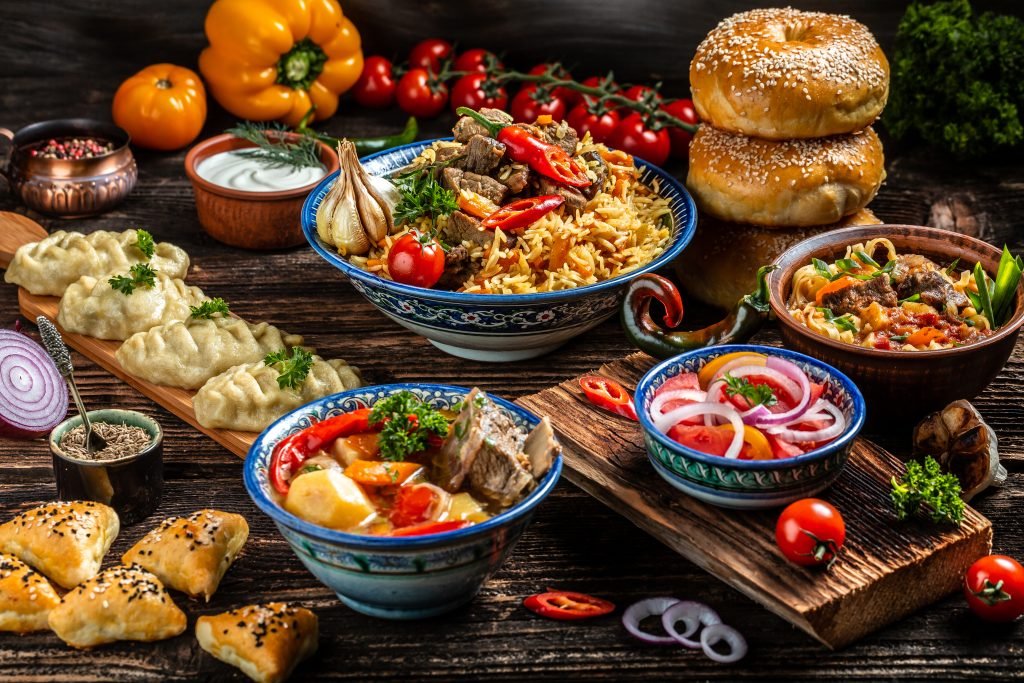
Kazakh food is hearty, rich in meat, and deeply symbolic of the nomadic lifestyle. Key dishes include beshbarmak, kazy, baursak, and shubat.
1. Rumi Restaurant (Almaty)
- A charming fusion of Central Asian and Persian décor.
- Try plov, manty, and lagman noodles with traditional chai.
2. Line Brew (Astana & Almaty)
- A steakhouse with Kazakh elegance.
- Excellent horse meat delicacies, grilled lamb, and craft beer.
3. Café Ethno (Astana)
- Offers a full cultural experience with traditional costumes and décor.
- Sample kymyz (fermented mare’s milk) and zhaya (salted horse meat).
4. Alasha Restaurant (Almaty)
- Built in the style of a nomadic palace.
- Folk music performances accompany meals of beshbarmak, baursak, and samsa baked in clay ovens.
STYLE TRAVEL SIDEBAR
- Esentai Mall (Almaty) – Luxury meets local talent
- Arbat Street (Almaty) – Handicrafts, rugs, and accessories
- Shymkent Bazaars – For textile lovers and vintage finds
Best Time to Visit:
Kazakhstan is where tradition lives through its music, food, crafts, and open-hearted people. Whether exploring the golden domes of Turkistan or sipping kumis in a mountain yurt, every traveller leaves with a piece of the Kazakh spirit etched into their heart.
March–May: Spring festivals + fashion showcases
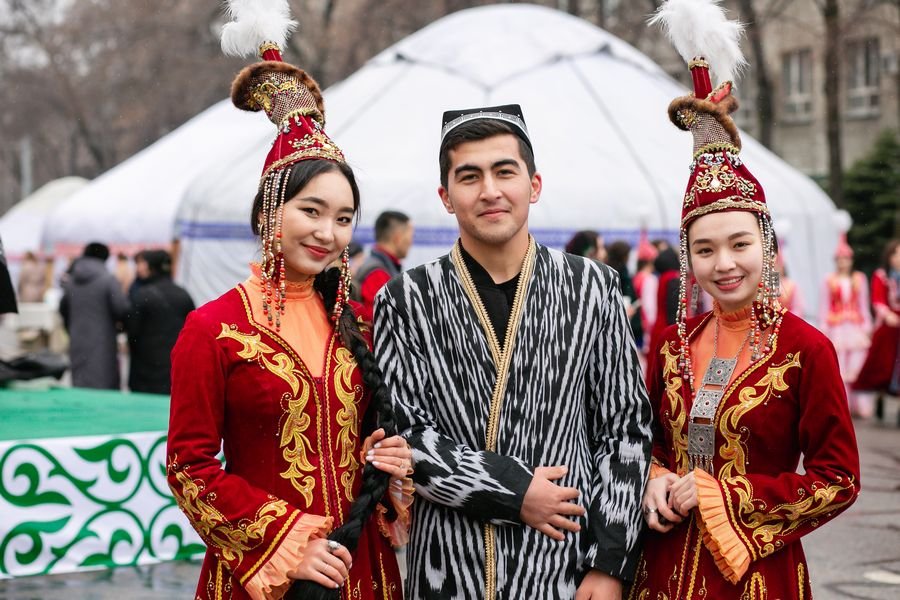
The true soul of Kazakhstan is revealed during Nauryz, the Kazakh New Year in March. This spring festival is a living testimony of culture — embroidered robes, vibrant headscarves, eagle feathers, and felt boots, the whole ensemble create a palette of pageantry.
Sept–Oct: Golden steppes + design events
Don’t Miss Experiencing the following:
- Visit a felt-making workshop in the Altai region
- Attend a local fashion show or design fair in Almaty
- Try kumys (fermented mare’s milk) — a bold taste of tradition!
What to Pack:
- Neutral layers + statement pieces from local designers
- Modest options for religious or rural sites
- Space in your suitcase for serious souvenir style
Conclusion:
Kazakhstan is more than a destination — it is a living runway of history, artistry, and identity. For the fashion-minded traveller, it is a place where style is not just aesthetic — it’s ancestral. Step into a world where garments carry meaning, accessories hold memory, and every pattern tells a story still being written. As the world’s ninth-largest country, Kazakhstan offers an eclectic mix of modern cities, Silk Road heritage, and rich cultural experiences. Whether you’re drawn to its historical sites or intrigued by its artisan crafts and hearty cuisine, Kazakhstan promises a travel experience that bridges the ancient and the contemporary.