From Heirloom to Horizon: NAC’s New Era of Brilliance
What started as a home-based jewellery venture, a humble beginning in the year 1971, by Nathella Narayana Chetty and his son, Nathella Anantham Chetty, has evolved into one of South India’s most respected jewellery brands — NAC Jewellers. The family’s legacy of handcrafting fine jewellery first took commercial shape in Chennai’s bustling Parry’s Corner, setting the stage for a story that would span over a century and four generations.
In 1973, third-generation entrepreneur N. Anjaneyulu Chetty officially established the NAC brand, laying the foundation for a business built on trust, tradition, and timeless design. His son, Anantha Padmanaban, later joined him, ushering in a period of remarkable expansion that saw NAC grow from a single store into a thriving chain across Tamil Nadu.
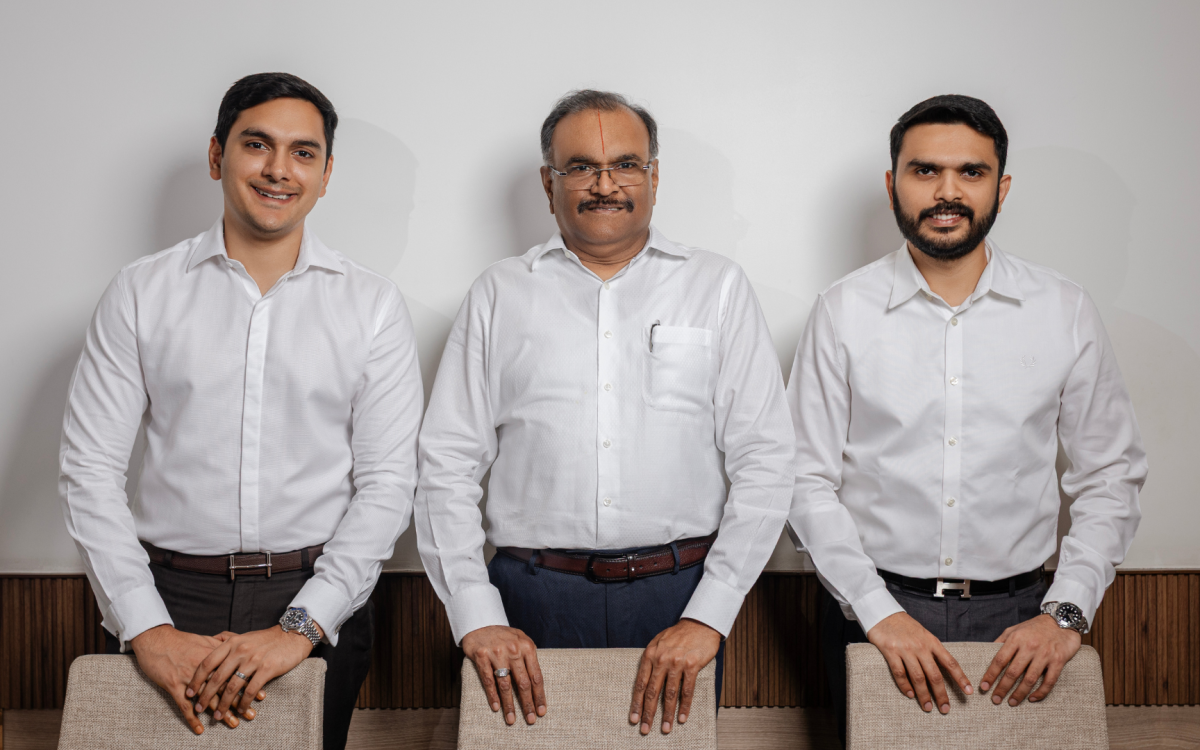
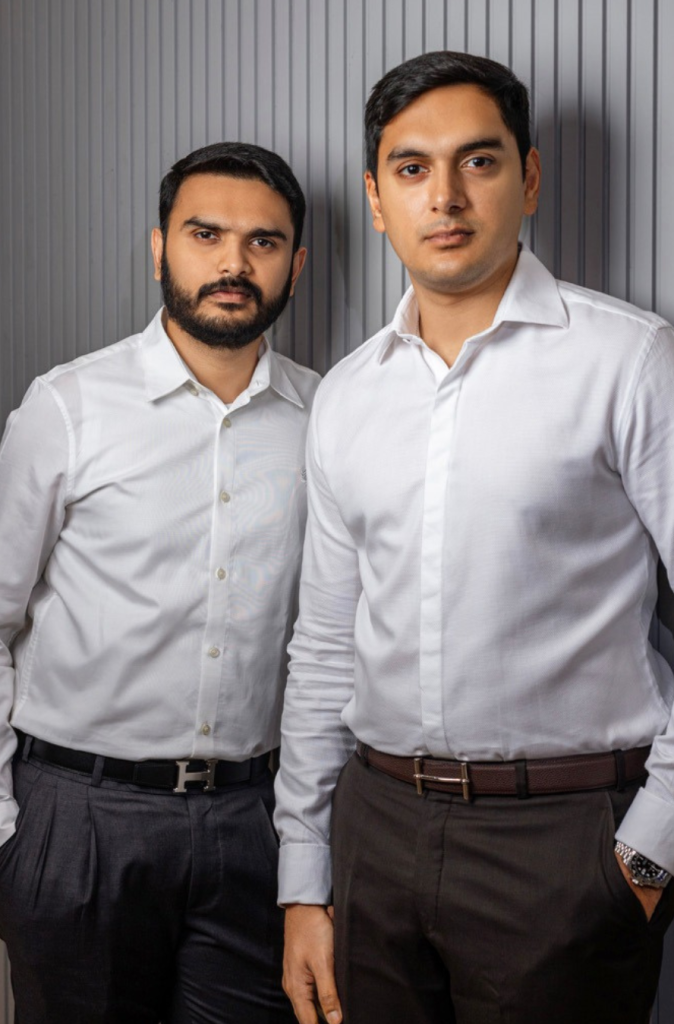
Now, with a fresh and forward-thinking perspective, N. Anandha Ramanujam, Director and fourth-generation scion, is steering NAC into the national spotlight. Armed with an impressive academic background — a master’s in international business and Entrepreneurship from the University of Glasgow, and a Graduate Gemologist certification from GIA, California — Anandha combines heritage with innovation. In just five years, he has already begun taking the brand beyond its regional roots, driven by a clear vision to redefine NAC’s presence across India.
Adding a new dimension to this legacy is Arjun Vardharaj, the younger son of Anantha Padmanaban, who has recently joined the family business. With a Master of Science in Global Hospitality, Arjun brings a contemporary and structured perspective to NAC Jewellers. His passion for the brand, coupled with a refined, methodical approach to operations and customer experience, is already contributing to elevating the brand’s value and reach. As he joins forces with his brother Anandha, the next generation of NAC leadership is poised to blend tradition with innovation, charting a bold new course for the iconic jewellery house.
In an exclusive conversation with CEO insights, Anandha and Arjun share their journey, the ethos behind NAC, and how the brand continues to sparkle with relevance in a modern, dynamic marketplace.
Personal & Heritage
What are your earliest memories of growing up around the family jewellery business?
Anandha fondly recalls his early association with the brand and shares,
“I had a natural liking for jewellery even as a child. I remember visiting the store, wearing the chains, and heading home with them. My mother would always return them the next day. Those small experiences were my first connection to the world of jewellery and the family business.”
When did you first realize you wanted to be part of the family legacy—or did you ever resist it?
Arjun reflects and shares with us,“I never had a particularly strong liking or disliking for jewellery. But growing up, I always knew I wanted to contribute to the family business, having watched my grandfather and father build it from the ground up, and my brother naturally followed in their footsteps. My own interests, however, leaned more toward the food industry. I pursued my education in hospitality and even began my career in that space. Joining the jewellery industry wasn’t something I had planned—but life had other ideas. And today, here I am—a full-fledged jeweller!”
How has your family’s heritage influenced the way you approach jewellery design and business today?
The more experienced entrepreneur Anandha reflects, “The way we approach business today is very much rooted in the values passed down through the family. Ethics have always been paramount to us—that’s been a consistent guiding principle, both then and now. When it comes to design, we place the client at the center. We carefully consider their needs and preferences and continuously strive to meet—and exceed—their expectations.” (pull out)
What would you say is the most interesting or challenging part of the jewellery business?
Anandha lets out a hearty laugh and shares, “It’s most definitely the inventory—that’s truly the core of our business. I wouldn’t necessarily call it challenging; it’s more interesting, really. This department constantly keeps us on our toes. There’s always something new to learn and do, and we’re continuously innovating and experimenting. Inventory is where we encounter both our biggest hurdles and our most rewarding accomplishments.”
Did you feel pressure to uphold certain traditions, or were you encouraged to innovate?
Arjun affirms, “By default, there was an expectation to carry forward certain traditions. We’ve always adhered to our core principles—upholding ethics and never compromising on quality. That said, innovation has always been part of our journey. My father was truly ahead of his time. He consistently experimented with jewellery styles that eventually became trends—without the support of social media or digital platforms. In fact, I would say the previous generation was, in many ways, more innovative than we are today.”
Speaking of innovation, your USP is the creation of exclusive collections. Could you tell us more?
“Innovation for us goes beyond just design, says Anandha—it extends to the product itself. We’ve made significant strides in that area over the years. In fact, we were among the pioneers to introduce 14-carat gold in diamond jewellery. At the time, it was a bold move. My father had the vision and the courage to experiment, even when others—including manufacturers—were hesitant. Today, it has become an industry standard, widely adopted by jewellers everywhere. This particular innovation is one of our proudest and most meaningful contributions to the field.”
The Transition to Leadership
What were the biggest challenges in taking over or stepping into a leadership role in an established family business?
“When I first joined the business, it was still very much a traditional family-run setup. There weren’t clearly defined departments—often, one person would be responsible for multiple roles. One of our early challenges was streamlining operations and creating structured departments to support growth, said Anandha”
“Another significant challenge Arjun and I continue to navigate is working with our senior-most staff—individuals who have been with the company for generations. They’ve seen us grow up, and now they’re expected to take instructions from us. We understand how difficult that transition can be, both for them and for us. Our focus has been on maintaining professionalism while being mindful of their emotions and the longstanding relationships we share.”
Arjun adds,
“While change is never easy and often met with resistance, we were fortunate to be accepted—not as external CEOs brought in from outside, but as rightful successors to the legacy. That sense of belonging and continuity earned us the loyalty of the team, which in turn made it easier for us to drive change and implement new ways of working.”
Was there a defining moment when you felt you truly “became” the entrepreneur rather than just the successor?
Arjun reflects,
“For me, it all traces back to my father. He’s never been a micro-manager—he built his own world and gave us the freedom to build ours. In that sense, we’ve always felt like entrepreneurs rather than just successors, because the decision-making was left to us and never tightly controlled. Even today, despite his vast experience and deep expertise, he’s open to our ideas and willing to take advice from us. That level of trust has been empowering and defining.”
Is business the topic of conversation at home?
Anandha smiles and says, “Our working hours tend to overlap, so naturally, business conversations spill over into our personal time. It’s something we grew up with—discussing work at home was just part of our environment.” He adds with a laugh, and Arjun agrees.
Arjun continues, “Yes, our conversations often carry forward into dinner. But it’s not limited to the day’s operations—we also talk about the industry, current affairs, and trends that could impact the business. Honestly, it’s hard to completely leave work talk at office. But we do make space for personal time too—it’s all about balance.”
How do you balance respect for the past with the need to evolve and stay relevant in today’s market?
Anandha’s response clearly reflects his experience. He says, “We’re always learning — from our customers, from the market, and from everything happening around us. Trends are constantly shifting, and with the price of gold continuing to rise, it’s becoming more important than ever to keep our jewellery both beautiful and affordable. That means rethinking the way we design — reducing the weight, exploring different carat age options, and finding that sweet spot between cost and craftsmanship. It’s a delicate balance, but one we’re committed to. Innovation is key. We’re always updating, always adapting, with the customer at the center of everything we do. Our thinking hats are always on!”
How do you see technology—like AI or lab-grown diamonds—impacting the future of jewellery craftsmanship?
Anandha responds saying, “AI isn’t going to disrupt craftsmanship — not in the traditional sense. True craftsmanship is rooted in the handmade, in the human touch and creativity that machines can’t replicate. What technology like AI can do is enhance the process. It can speed up design development, support innovation, and make certain tasks more efficient. But the essence of craftsmanship will always remain human.
When it comes to lab-grown diamonds, I believe they’ll carve out their own space in the market. They’re not here to replace natural diamonds, but to coexist. There will always be a segment of consumers who value natural diamonds for their rarity and tradition, just as there will be others drawn to lab-grown alternatives for their accessibility or sustainability. It’s not about disruption — it’s about evolution and choice.”
Entrepreneurial Perspective
What’s one risk you took that really paid off—and one that didn’t?
When asked about risk, Arjun pauses thoughtfully before responding:
“I wouldn’t say there’s been one major, game-changing risk — but in a way, every day feels like a risk. Gold has become a global commodity, and every decision we make carries its own weight. Nothing is entirely without risk. That said, the business has stood the test of time, and that’s reassuring. Occasionally, we explore new markets through exhibitions. It’s a calculated risk — more of an opportunity, really. If it works, great. If it doesn’t, it’s a signal to reassess that direction.”
Anandha adds, “Every risk we take teaches us something. In any business, risks are necessary — they’re how you grow and learn.”
Arjun agrees: “We believe in trial and error. Whether it’s how we manufacture our products, plan our marketing campaigns, design customer experiences, or even the kind of employee benefits we offer — we’re always experimenting. We’re not afraid to try something new. We listen to feedback, we learn from it, and we keep evolving.”
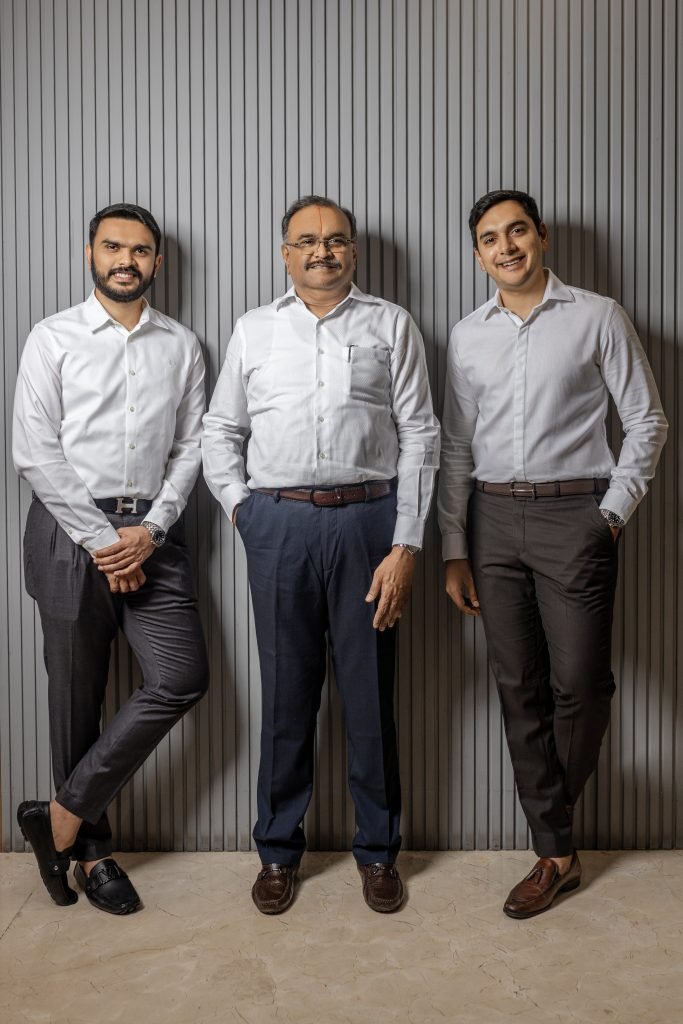
How do you define success today compared to how your parents or grandparents may have defined it?
Arjun says, “I think success can be viewed in two ways — one is personal, and the other is from a business standpoint. Personally, success is subjective and varies from person to person. From a company’s perspective, though, it’s more collective and rooted in values.”
He reflects on the company’s beginnings:
“When my grandfather started NAC, it was in a small 100 sq. ft. showroom. For him, success wasn’t about scale — it was about upholding the family legacy and delivering quality jewellery to his customers. That principle still holds true today. Even as we grow, both Anandha and I view NAC as a vehicle to pursue our individual goals, while staying true to the core values the company was built on.”
“For us,” he continues, “success isn’t about how big the showroom is — whether it’s 100 sq. ft. or 50,000 — it’s about how a customer feels when they leave. If they walk out happy, feeling they got value for their money and that we’ve earned their trust, then that’s success. If every customer walks away feeling satisfied, then we’ve done our job — and that, to us, is what truly matters.”
With customers today being more discerning and open to options, how do you navigate changing expectations and maintain loyalty?
Anandham responds with a thoughtful pause, a hint of wistfulness in his tone:
“One thing that’s clear is that brand loyalty isn’t what it used to be. Unlike earlier generations, today’s customers — especially the younger ones — aren’t bound by tradition. Just because their mothers or grandmothers were loyal to a brand doesn’t mean they feel the need to follow suit. There are more choices now, and people want to explore what works best for them.”
But for a jewellery brand like ours, he explains, the relationship with the customer is still incredibly important. Often, we end up building a bond not just with one person, but with entire families. We guide them through important milestones — weddings, anniversaries, special occasions — and in those moments, the interaction becomes more than just a transaction. It becomes personal. And when that connection is genuine, loyalty does still exist. It may not look the same as it did before, but it’s there — rooted in trust and shared experiences.”
Creativity & Identity
How do you strike a balance between keeping your collections fresh and staying true to your brand’s identity?
“At the end of the day, all of us are salesmen,” says Arjun with a smile. “Even though our roles have become more defined as the brand has grown and expanded across multiple stores, we still make it a point to visit our stores regularly. That direct interaction — both with our staff and with our customers — is invaluable.”
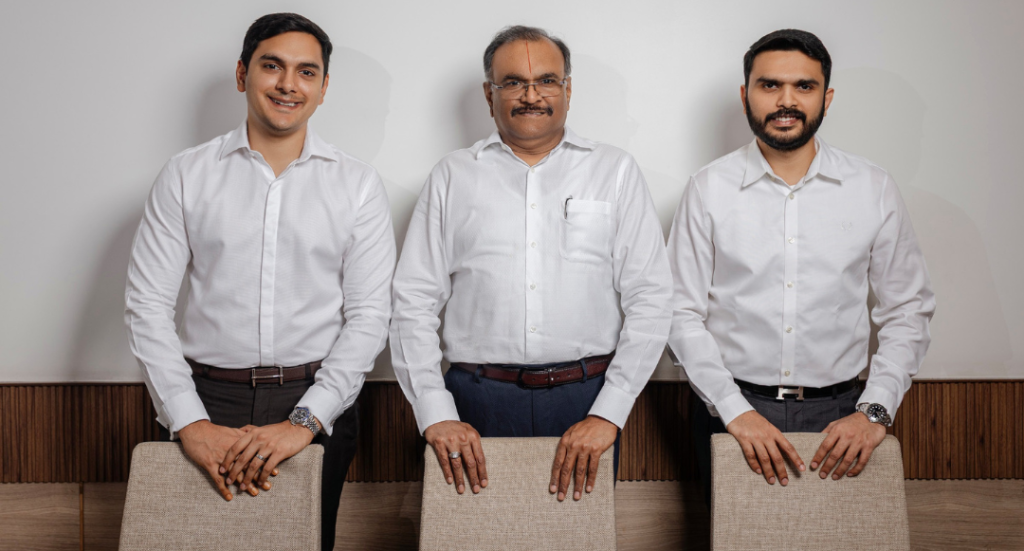
He explains that being present on the shop floor allows them to get real-time feedback.
“Our staff share insights from their daily conversations with clients, and those inputs play a big role in driving innovation. We get to understand exactly what the customer is looking for — what excites them, what they’re drawn to — and we use that to shape our designs.”
Arjun adds that their passion for the jewellery business keeps them deeply involved.
“We spend a lot of personal time researching trends, exploring new ideas, and staying curious. That way, we’re able to keep the brand current and relevant — but always with a strong sense of who we are. Innovation doesn’t mean letting go of your identity; it means evolving it thoughtfully.”
Speaking of collections, NAC has launched several distinctive lines that stand out. Can you tell us more about them?
Arjun lights up as he talks about a collection that’s especially close to the family’s heart.
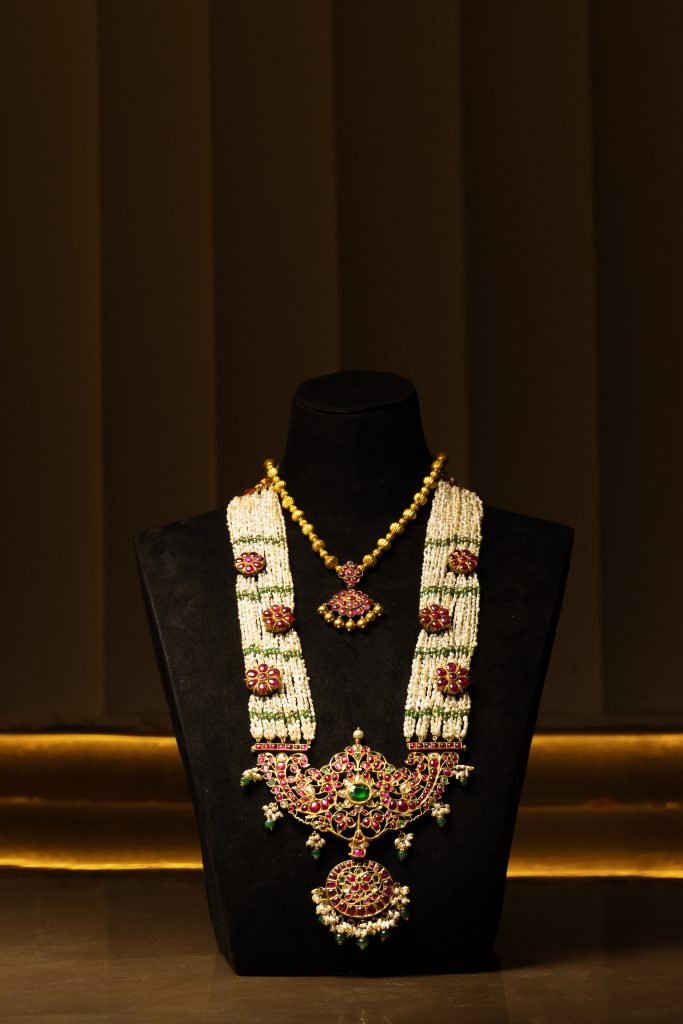
“One thing we’re extremely proud of is our antique jewellery collection. My father has been deeply passionate about antiques — he’s been collecting them for over four decades now. It’s something we take immense pride in because these are rare, treasured pieces that very few people own.”
That legacy has clearly passed down through generations.“Since my dad showed such keen interest, we naturally followed. Over time, we began innovating with these antiques — reimagining them to suit modern sensibilities. It’s like presenting old wine in a new bottle. Customers love it because every piece is one-of-a-kind, and owning something so unique gives them a sense of pride and exclusivity.”
Arjun also shares the story behind one of their more personal and creative collections — Gajja.
“As a family, we’ve always had a special fondness for elephants, especially my mother. She adores them — for what they represent: majesty, grandeur, loyalty. And” he laughs, “as Anandha would say, she finds them cute too.”
Arjun adds with a smile, “It’s true — that love for elephants became the inspiration behind our Gajja collection.”
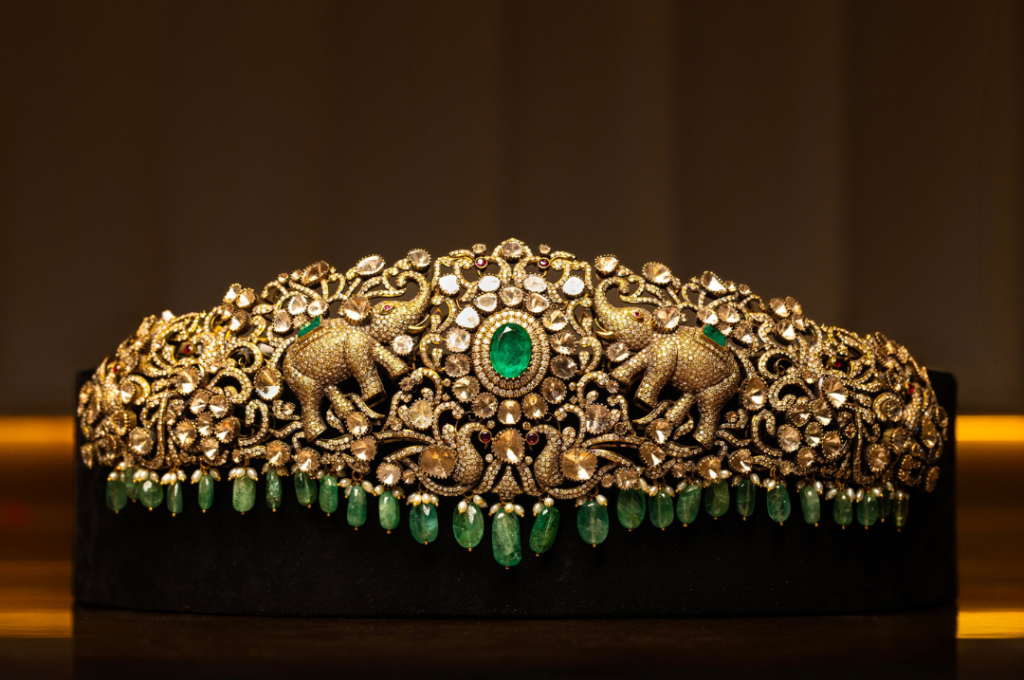
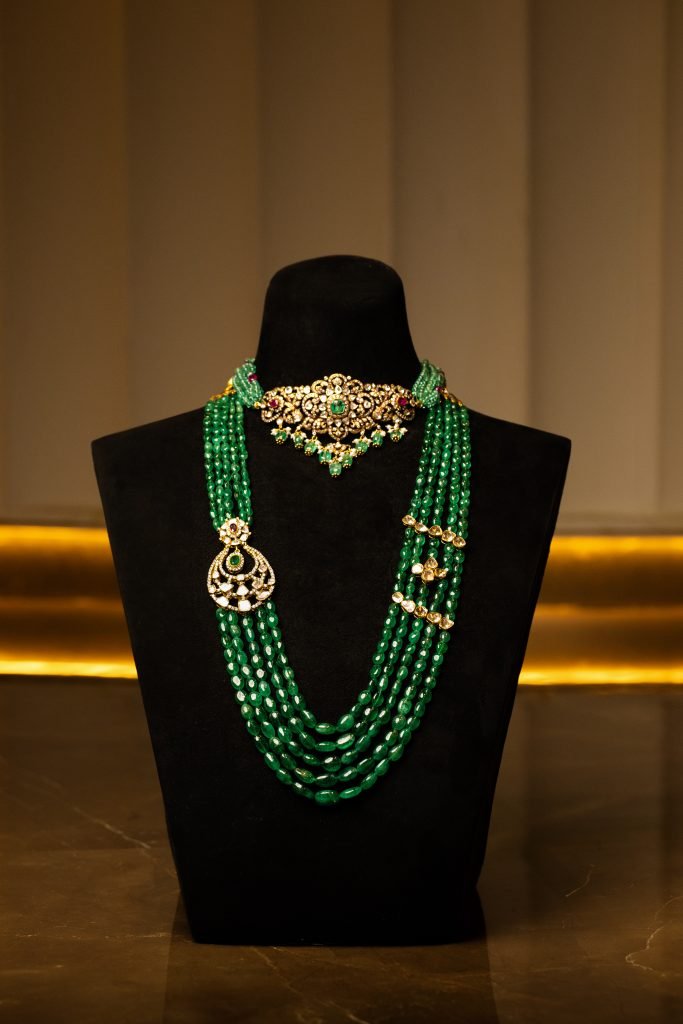
The first edition of Gajja focused on gold and diamond jewellery, celebrating the symbolism and elegance of elephants. The second edition introduced vibrant gemstones. “As a family, we also have a deep appreciation for coloured stones,” Arjun explains. “And what’s exciting is that customers today are more informed than ever. They’re seeing jewellery not just as ornamentation but also as an investment. That awareness has given us the space to explore more with coloured gemstones — and create collections that are both meaningful and beautiful.”
What’s been your proudest moment so far as a business owner?
“The legacy,” says Anandha without hesitation. “It honestly gives us goosebumps when a third or fourth generation of a family walks into our store to buy jewellery. And when the entire family comes together — grandparents, parents, children — it’s a surreal moment. It makes me incredibly proud to know we’ve become a part of their lives and memories. Hearing them share stories about interacting with my grandfather, remembering the experiences they’ve had over the years with NAC — it gives us a high. More importantly, it reaffirms that we’re doing something right. That trust is what drives us to keep getting better.”
Arjun adds “What makes me proud is knowing that NAC is more than just a jewellery brand — it’s an avenue for people to build wealth. Today, gold isn’t just an ornament; it’s an investment. And when clients choose us to be a part of their big moments — whether it’s a wedding, a milestone, or a personal dream — and we’re able to help bring that to life, that’s a huge honour. That kind of trust is what makes all the effort worthwhile.”
Industry Insight
What shifts or trends in the jewellery industry do you anticipate in the coming years?Arjun reflects on the evolving landscape of the industry: “Shifts are inevitable — especially with rising gold prices, which will impact how the industry operates. Everything moves in cycles, and we’ll see those patterns play out. But in a country like India, where the mindset around saving is strong — especially when it comes to gold — the rising prices aren’t necessarily a deterrent. In fact, more people are beginning to see gold as a serious investment, which I believe will actually bring more customers into the fold.”
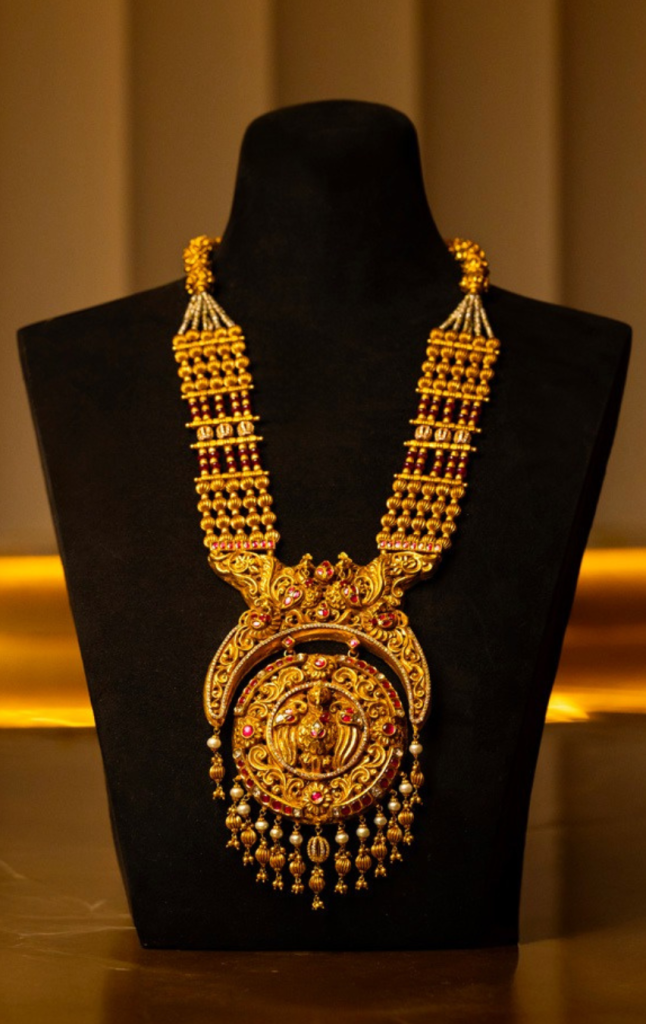
He adds that consumer preferences are also evolving. “From a design perspective, there’s a clear shift in mindset. Customers are leaning toward lightweight jewellery that’s wearable and practical. Interestingly, this hasn’t diminished their desire to own gold — it’s simply changed the way they want to wear it. The real challenge lies in how we adapt to that shift while keeping price points accessible.”
Arjun points out how NAC has already anticipated and responded to such changes.
“A few years ago, we were among the first to introduce 14-carat gold — something that’s now widely accepted. As prices continue to rise, I wouldn’t be surprised if the caratage trends even lower. It’s all about staying ahead, listening to our customers, and finding creative ways to offer value without compromising on design or trust.”
Legacy & Vision
Do you see the next generation joining the business someday?
Anandha reflects with a smile, “My son is just six years old, so it’s far too early to say anything definitively. But if there’s one thing, I’m certain about as a parent, it’s that I don’t want to place any pressure on him to join the family business. It must be his choice — based on his own interests and passions.”
That said, Anandha admits there are already some subtle signs.“He does seem curious and interested, which is nice to see. But today’s generation is very different — they want to explore; they want to try new things. And I respect that. So, while I don’t know what the future holds in terms of him joining NAC, I do know that whatever he chooses, I want him to be happy doing it.”
What’s one value or principle from your family that you’ll never compromise on — no matter how much the industry changes?
Arjun is quick to respond: “I think it goes back to what my brother Anandha said earlier — ethics. That’s something we simply won’t compromise on. These values are deeply ingrained in us. At the end of the day, we want to be able to sleep peacefully, knowing we’ve done the right thing — whether it’s in the way we manufacture our jewellery or how we treat our customers.”
He adds, “Transparency is another principle we hold dear, especially when it comes to pricing. Our clients trust us and maintaining that trust is non-negotiable. No matter how much the industry evolves, these are things that will never change for us.”
Anandha echoes the sentiment: “It’s been 52 years since NAC began, and over that time, so much has changed — technology, trends, business models. There are endless ways to make a quick profit, but that’s never been our path. Like Arjun said, we value peace of mind. The principles we were raised with are now part of who we are — they’re in our system. And for us, there’s no question of deviating from them.”
What do you hope your legacy in the jewellery world will be?
Arjun and Anandha smile as they reflect on the journey so far. “If you combine everything we’ve shared, that really sums it up,” they say.
“We want NAC to always be remembered as a brand that stood firmly by its values — where the customer was always at the heart of every decision. A brand known for delivering service with excellence, for staying ahead of the curve in design and innovation, and for constantly evolving with the changing needs of our customers.”
But beyond that, their vision of legacy is deeply human. “We also want NAC to be a company people are proud to work for. The fact that we have employees who’ve been with us for over three decades — in today’s world, that speaks volumes. Loyalty, whether from customers or from our team, is incredibly rare. And when people choose to stay, it means we’ve done something right. That’s the kind of legacy we hope to leave behind — one built on trust, integrity, innovation, and relationships that last.”