

Step into the world of high fashion as Lakmé Fashion Week brings together visionary designers and their most striking creations. This picture feature captures the artistry, drama, and innovation that lit up the runway. Tarun Tahiliani At Lakmé Fashion Week 2025, Tarun Tahiliani didn’t just present clothes — he unveiled a living, breathing universe of India reborn in modernity. His runway felt like a quiet revolution, where centuries-old craft loosened its shoulders, exhaled, and slipped into silhouettes that moved with the rhythm of today. Shantnu & Nikhil Shantnu & Nikhil’s “Velora” lit up Lakmé Fashion Week 2025 with a commanding all-womenswear showcase—their first on the Indian runway. In a palette of power reds, inky blacks, and molten silvers, Velora shimmered with pearls, crystals, and metallic accents—an unmistakable nod to unapologetic allure. The designers call it their “Red-Carpet Ode to Unapologetic Glamour,” a manifesto for the modern woman who leads with presence. Moscow Hatsibana Moscow Hatsibana” spotlights Russian designer Fatima Shogenova’s label, Hatsibana, which made a striking appearance at Lakmé Fashion Week in collaboration with FDCI and Moscow Fashion Week. The showcase blended Indian craftsmanship with Russian design sensibilities, weaving together floral motifs, artistic influences, and a shared visual language. The result: a vibrant celebration of cross-cultural fashion and the creative dialogue between the two countries. Sustainable fashion Lakmé Fashion Week 2025 went green! Upcycled designs, heritage crafts like Tamil Nadu’s Bhavani Jamakkalam, and mushroom & apple leather made sustainability this season’s style statement. Sustainability was the star of the show with GenNext designers wowing with upcycled creations.
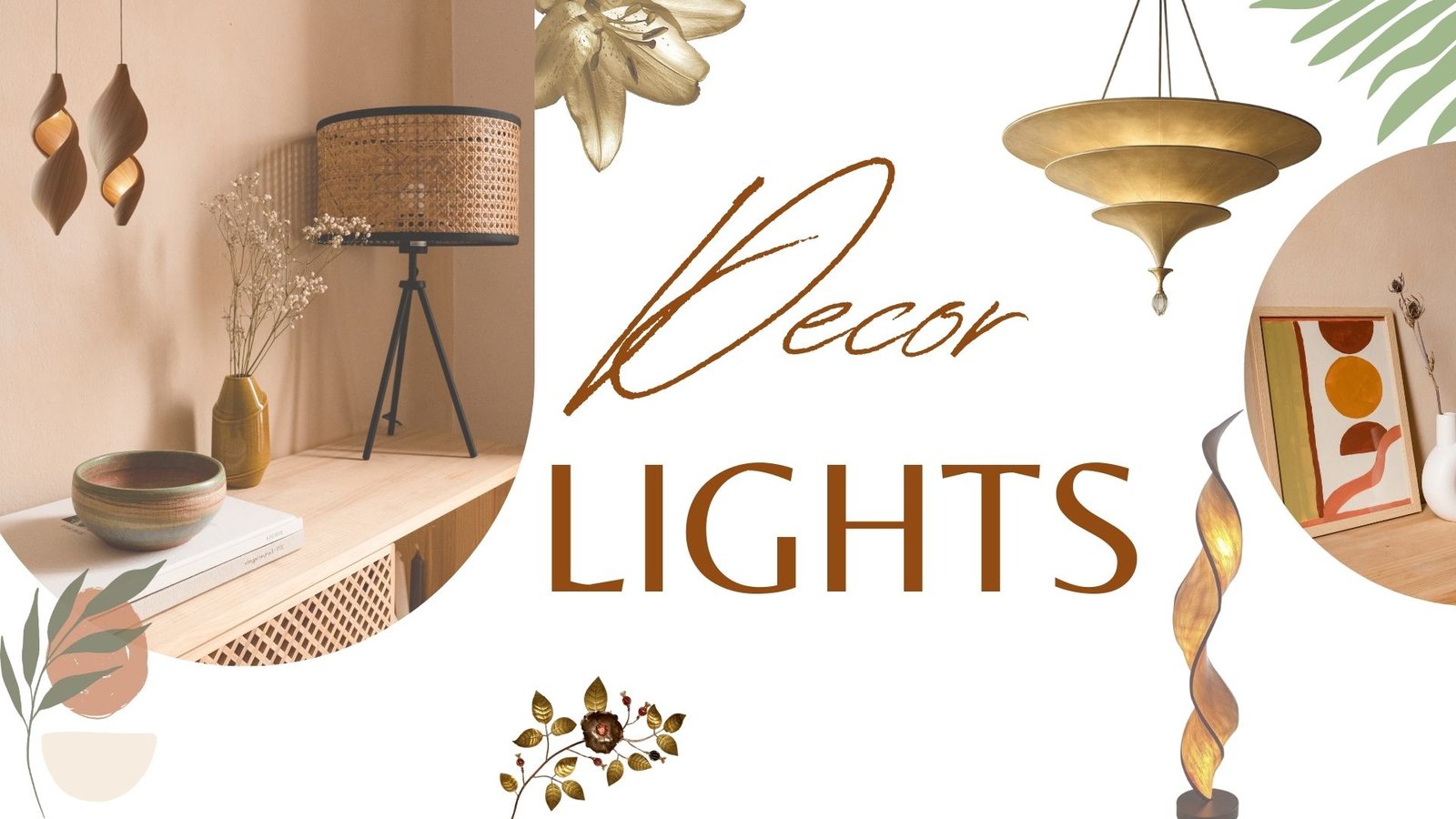
DÉCOR-LIGHTS: Lighting your Way to Better Spaces
Lighting is not just about visibility—it is about atmosphere, style, and function. The right lighting can make a room feel bigger, warmer, more inviting, or more dramatic. It highlights your home’s best features, enhances your décor, and even influences your mood. In this suggestive guide, we try and explore why lighting matters, how to choose the right type for each space, and the subtle but powerful difference between warm and white lights. Let your home shine—literally. By Sunethra Selvam Brilliant Spaces: Why Lighting is the Secret to a Beautiful Home When we think about home décor, our minds often jump to color palettes, furniture, or wall art. But there’s a silent design element that shapes the mood, style, and functionality of every space—lighting. Whether it’s the soft glow that welcomes you into a cozy living room or the crisp clarity in a well-lit kitchen, the right lighting does more than illuminate—it transforms. Why is Lighting So Important in Home Décor? Lighting is both aesthetic and practical. On a functional level, it ensures that spaces are safe and usable—no one wants to chop vegetables in the dark or read under a dim lamp. But lighting also sets the emotional tone of a room. It affects our mood, energy levels, and even our perception of space. Bright, well-placed lights can make a small room feel open and airy, while dim, warm lighting can create intimacy and calm. Choosing the Right Light Enhances Your Home Good lighting is about layering and balance. A well-lit room combines different types of lighting—ambient, task, and accent—each with a specific role: Ambient lighting is your primary source, like ceiling fixtures or recessed lighting. Task lighting focuses on functionality, like reading lamps or under-cabinet kitchen lights. Accent lighting adds drama and highlights features like artwork or architectural details. Choosing the right combination enhances how a space looks and feels. It can highlight your favorite furniture, draw attention to textured walls, or simply make a room feel more welcoming. Warm vs. White Lights: What’s the Difference? One of the most common lighting decisions is choosing between warm and white (cool) lights. This refers to the color temperature, measured in Kelvins (K): Warm Light: Yellow or amber tones that create a cozy, inviting atmosphere. Ideal for living rooms, bedrooms, and dining spaces where you want people to relax and feel at home. Cool White Light: Brighter and whiter, mimicking daylight. Best for kitchens, bathrooms, and workspaces where clarity and brightness are essential. The colour temperature you choose can influence the entire vibe of a room. Warm lighting feels romantic and comfortable, while white lighting feels clean and energetic. Lighting by Room: Getting It Just Right Every room in your house has a different purpose, and the lighting you choose should reflect that. Here’s a quick guide that could help you with your choice: Living Room Blend ambient lighting (like a ceiling fixture) with soft table or floor lamps. These days lights come with adjustable settings like dimmers. Use them to set the mood for your day. Kitchen Go for bright, cool lighting. Combine overhead lights with focused task lighting under cabinets or over the kitchen top for efficiency. Bedroom Warm, soft lighting works best. Bedside lamps with dimmers or smart bulbs allow for mood control. Avoid harsh overhead lighting unless it is necessary. Afterall this is the room that you come to at the end of the day and the lights reflecting the mood helps. Bathroom A mix of functional and flattering is the key. White lights around mirrors help with grooming, while overhead lighting ensures general visibility. Dining Room The tone for this room should be warm and ambient to enhance the dining experience. Therefore, the suggestion would be chandelier or pendant over the table, this would add a statement to the décor. Home Office Choose daylight-mimicking white light to keep you focused and alert. Desk lamps with adjustable brightness can help reduce eye strain. Conclusion In the world of home décor, lighting is the unsung hero. It shapes how we see, feel, and experience every room. By understanding the impact of light—from color temperature to fixture placement—you can turn ordinary spaces into warm retreats, vibrant work areas, or elegant entertaining zones. Thoughtful lighting doesn’t just complete a room—it elevates it. So, as you plan your next décor update, don’t just decorate—illuminate.

Voyage and Vogue : Sri Lanka
Northern Sri Lanka: A Journey Through Resilience, Culture, and Untouched Beauty Once a region closed off by conflict, Northern Sri Lanka has now emerged as a captivating destination for the discerning traveler. This less-trodden part of the island offers a distinct cultural identity, ancient heritage sites, pristine beaches, and a sense of quiet authenticity. For those seeking an off-the-beaten-path experience filled with soul and scenery, the Northern Province delivers in spades. By Sunethra Selvam Historic Importance: A Land Shaped by Centuries The Northern Province holds a unique place in Sri Lanka’s historical narrative. It was once the heartland of the ancient Tamil kingdoms, later a colonial stronghold, and more recently, the epicenter of the country’s civil conflict that lasted nearly three decades. The ancient city of Kandarodai (Kantharodai) features Buddhist stupas dating back to over 2000 years, revealing a multi-religious past where Buddhists and Hindus coexisted. During colonial times, the North became strategically important to the Portuguese, Dutch, and British—each leaving their mark in forts, churches, and administrative buildings. More recently, the civil war between the Sri Lankan government and the LTTE left deep scars across the region. Today, however, there’s a sense of recovery and resilience. Visiting places like Kilinochchi and Mullaitivu, travelers can learn about the conflict’s impact and the ongoing efforts at rebuilding. The Fashion of the Place: Tradition Meets Identity In the North, fashion is closely tied to cultural identity, especially among the Tamil population. The traditional dress is still widely worn and carries deep cultural significance. Women often wear sarees or salwars, especially for temple visits and formal occasions. Bright colors, intricate embroidery, and gold jewelry are common, especially during festivals. Men may wear the veshti (sarong), especially for religious or ceremonial purposes, paired with simple cotton shirts. While Western-style clothing is becoming more common among the youth, traditional attire remains a visible and cherished part of life. In places like Jaffna, you’ll often see a graceful blend of the old and new. What to See: Highlights of the North Northern Sri Lanka is dotted with sites of historical, cultural, and natural significance. Whether you’re a history enthusiast, a nature lover, or a beach seeker, there’s plenty to explore. Jaffna Fort: Built in 1618 by the Portuguese and later fortified by the Dutch, the Jaffna Fort is one of the best-preserved colonial relics in the country. It offers panoramic views and insights into centuries of European presence. Nallur Kandaswamy Kovil: This iconic Hindu temple in Jaffna is a vibrant center of spirituality. With its towering gopuram, intricate sculptures, and regular pujas, it offers a deeply immersive cultural experience. Delft Island (Neduntheevu): Accessible by ferry, Delft Island is famous for its wild ponies, colonial ruins, and coral walls. The island is remote, surreal, and historically rich. Casuarina Beach: One of the most beautiful and calm beaches in the North, this spot in Karainagar is perfect for safe swimming and a serene day out. Nagadeepa Viharaya: A sacred Buddhist site located on Nainativu Island, said to be visited by Lord Buddha himself, attracting pilgrims from all over Sri Lanka. What to Buy: Souvenirs and Local Finds Northern Sri Lanka offers unique shopping opportunities, especially for travelers looking to bring back something authentic. Palmyrah Products: From jaggery (a natural sweetener) to baskets, fans, and mats, the palmyrah palm is central to northern life. Handcrafted items made from its leaves are beautiful and sustainable. Jaffna Curry Powders and Dried Fish: The region is known for its flavorful and spicy cuisine. Specialty curry powders and dried seafood make for great edible souvenirs. Local Handicrafts: Delft Island offers coral jewelry and handmade items. Though simple, these crafts reflect island life and tradition. Books and Literature: Dive into Tamil literature or writings about the region’s history and post-war recovery available at local bookstores in Jaffna. Best Time to Visit: Timing Your Journey The Northern Province experiences a dry climate for most of the year, but the best time to visit is from May to September. During this period: Rainfall is minimal. The seas around Jaffna and the islands are calm, ideal for ferry rides and beach visits. Festivals like Nallur Festival (usually in August) are in full swing, offering an unforgettable cultural experience. Avoid visiting from October to January, as this is the monsoon season in the north and some ferry routes to islands may be suspended. How to Get There: Reaching the Northern Frontier Getting to Northern Sri Lanka is more accessible now than ever, though it still retains its “hidden gem” status due to its distance from the usual tourist circuits. By Air: The fastest option is a domestic flight from Colombo to Jaffna International Airport (Palaly). Flights take around 1 hour and are offered by local airlines. By Train: The scenic Yal Devi train runs daily between Colombo and Jaffna, taking approximately 8–10 hours. It’s a comfortable, affordable, and atmospheric way to travel. By Road: Buses and private vehicles can make the journey from Colombo to Jaffna in about 8–10 hours via the A9 Highway. The drive, while long, passes through changing landscapes and gives a unique look into Sri Lanka’s rural heartland. Local Travel: Once in the North, tuk-tuks, bicycles, and rented scooters are great for getting around. Public buses are also frequent between towns and villages. Quick Trivia: Northern Sri Lanka Conclusion Why Northern Sri Lanka Should Be on Your Radar Northern Sri Lanka is not just a destination—it’s a journey into the soul of a resilient, vibrant, and complex region. Unlike the polished resorts of the south or the hill country’s lush tea trails, the North offers something more raw and real: stories of survival, temples echoing with devotion, windswept islands, and people who welcome you not as a tourist, but as a guest. Whether you’re wandering through the bustling markets of Jaffna, cycling past lagoons in Mannar, or standing at the tip of the country in Point Pedro, this is a place that invites exploration—and rewards those who make the journey.
