
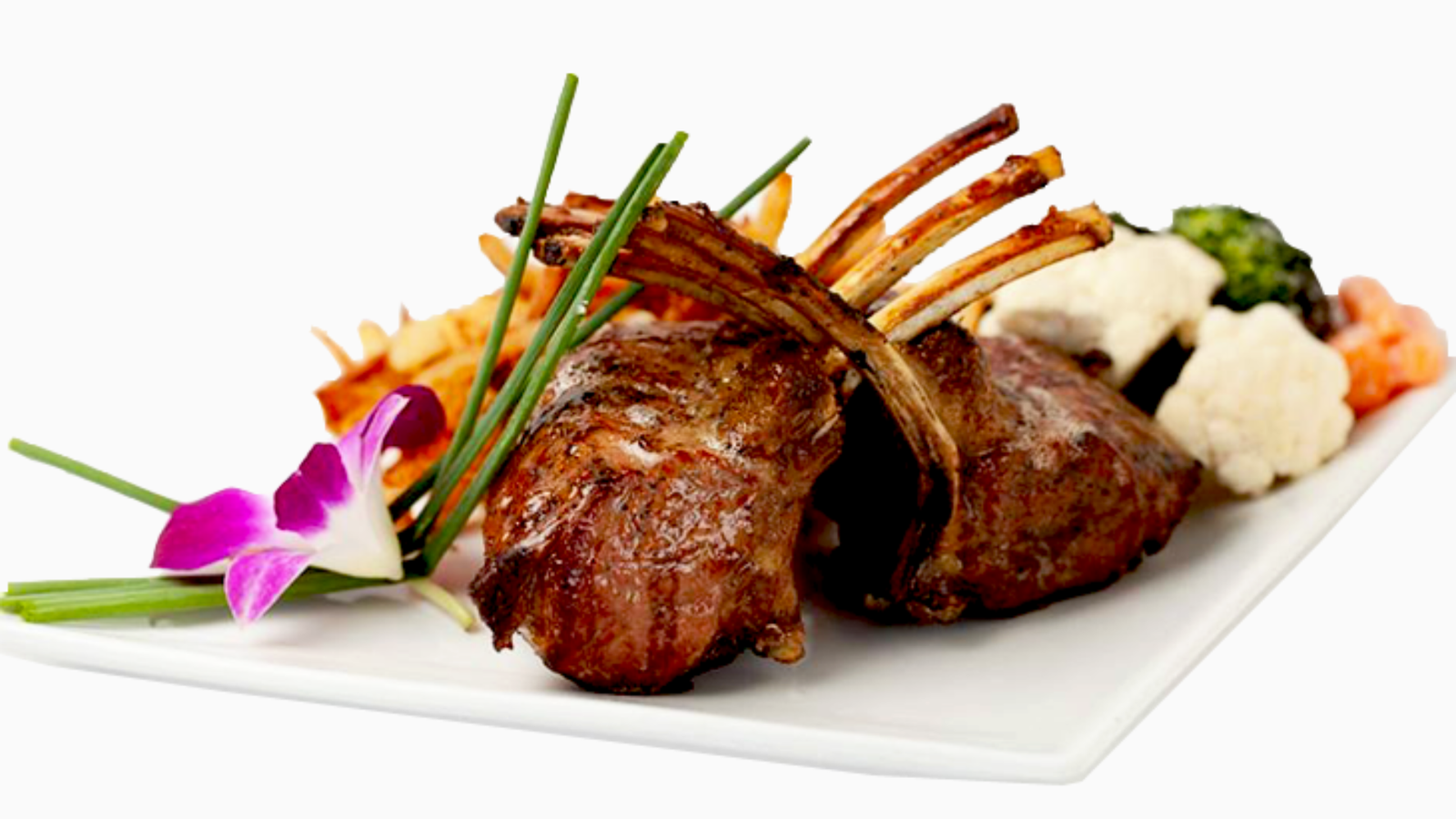
A Southern American classic, smoked with tradition and plated with finesse. The heart of the American South beats slow and smoky — and nowhere is that more evident than in North Carolina, where barbecue isn’t just food; it’s folklore. Inspired by the low-and-slow smoking methods of the Carolinas, our North Carolina Smoked Chicken pays homage to this heritage while embracing a fine-dining sensibility. In Luma Lounge we start with bone-in chicken, marinated in a brown sugar and paprika rub, then smoked gently over wood for hours — locking in that deep, mahogany hue and unmistakable smoky aroma. What makes this dish truly shine is the harmony of elements that accompany it. It’s served with a Lacto-fermented Mustard, tangy and sharp, made in-house over several days to bring depth and character. A smooth and comforting classic potato mash grounds the plate in familiarity, while a silky thyme-infused jus adds earthiness and richness — tying every element together. “This dish is our journey from the smoke pits of Carolina to the plated poetry of a modern kitchen. Comforting, complex, and quietly bold — this is soul food, redefined. Concept: Authentic slow-smoked Southern-style chicken, enhanced with house-made lacto mustard, silky mash, and thyme jus. Ingredients For Chicken Marinade: For Lacto-Fermented Mustard: For Mashed Potato: Method Step 1: Marinate Chicken Step 2: Smoke Chicken (Authentic Style) Step 3: Lacto Mustard Prep Step 4: Mashed Potato Step 5: Thyme Jus Plating
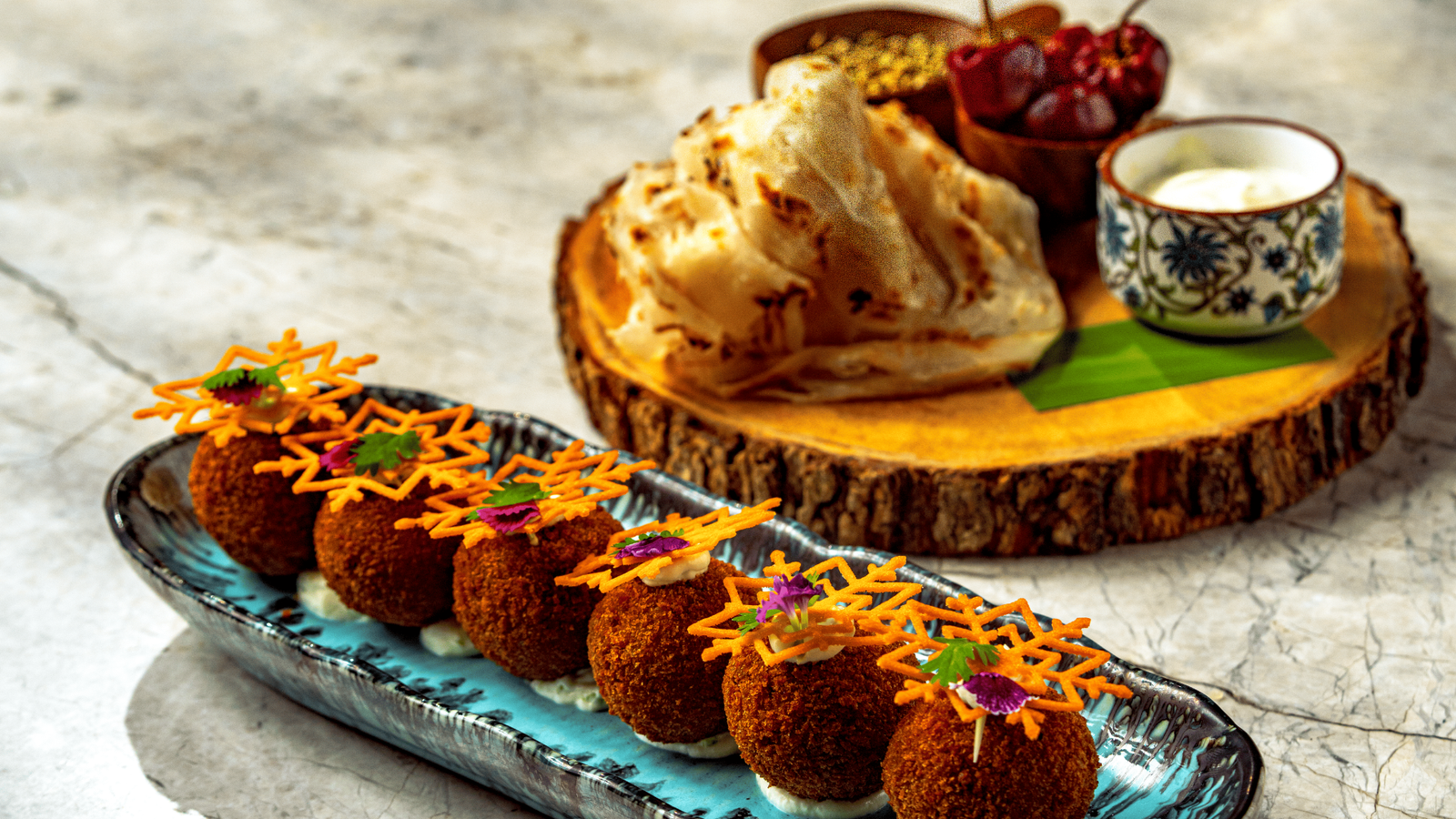
Kothu Parotta Cutlet – A Fusion of Chaos and Craft
Food and Beverage – Luma Lounge When South Indian Street food meets gourmet plating. A native from Tamil Nadu and often seen and heard in the bustling by lanes of Madurai, the Kothu Parotta is more than just a dish — it’s a spectacle. The rhythmic clang of metal spatulas on the hot tawa, the hypnotic tossing of shredded parotta with spicy salna, egg, and onions – this humble dish has long captured the hearts of street food lovers across Tamil Nadu. But what happens when this iconic street-side chaos is reimagined in a gourmet kitchen? Enter the Kothu Parotta Cutlet. At Luma Lounge, we take the soul of Kothu Parotta — flaky, fiery, fragrant — and reshape it into a hand-crafted cutlet. The mixture is spiced, rested, and gently rolled into cutlet with stuffed cream cheese then to a golden crust, creating a texture that’s crisp outside and melting inside. It’s served with a cool cream cheese dip to balance the heat, offering a bite that’s equal parts nostalgia and innovation. “This isn’t just fusion — it’s a respectful evolution. A nod to our streets, plated for our stories. “Perfect for sharing, this dish brings the comfort of a local street corner to the elegance of a cocktail soirée. Concept: A refined take on classic Kothu Parotta, reshaped into cutlets stuffed with spiced cream cheese, coated in panko, and fried until golden. Ingredients For the Kothu Parotta Base: · Parotta – 10 nos (shredded) · Onion – 3 medium (finely chopped) · Tomato – 2 medium (chopped) · Green chilies – 2 (chopped) · Ginger-garlic paste – 1 tbsp · Curry leaves – few · Salna Veg – 1 cup (reduce to thick) · Red chili powder – 1 tsp · Turmeric powder – ½ tsp · Garam masala – 1 tsp · Coriander leaves – 2 tbsp (chopped) · Salt – to taste · Oil – for cooking For the Cream Cheese Stuffing: · Cream cheese – 150g · Roasted cumin powder – ½ tsp · Chopped mint – 1 tsp · Crushed green chili – ½ tsp · Salt – to taste For Breading: · Refined flour – ½ cup · Panko bread crumbs – 1½ cups Method Step 1: Prepare Kothu Parotta 1. Heat oil in a pan. Add onions, green chilies, curry leaves. Sauté until golden. 2. Add ginger-garlic paste and cook till raw smell goes. 3. Add tomatoes, turmeric, chili powder, and garam masala. Cook till tomatoes break down. 4. Add salna and mix well till you get a thick masala base. 5. Add shredded parotta and toss well on medium-high heat. 6. Add coriander leaves and salt if needed. Cool completely. Step 2: Prepare the Cream Cheese Filling 1. Mix cream cheese, roasted cumin, mint, chili, and salt until smooth. 2. Pipe or roll into small 8-10g balls. Chill in freezer for 15 mins. Step 3: Form and Crumb the Cutlets 1. Take a lemon-sized portion of cooled kothu parotta mix, flatten in palm. 2. Place a cream cheese ball in center and gently seal and roll into a ball/cutlet shape. 3. Dust with flour, dip in thin Flour wash, then coat with panko crumbs. 4. Chill for 15 minutes before frying. Step 4: Fry and Serve 1. Deep-fry at 170°C until golden brown and crispy. 2. Serve with cool cream cheese raita dip .
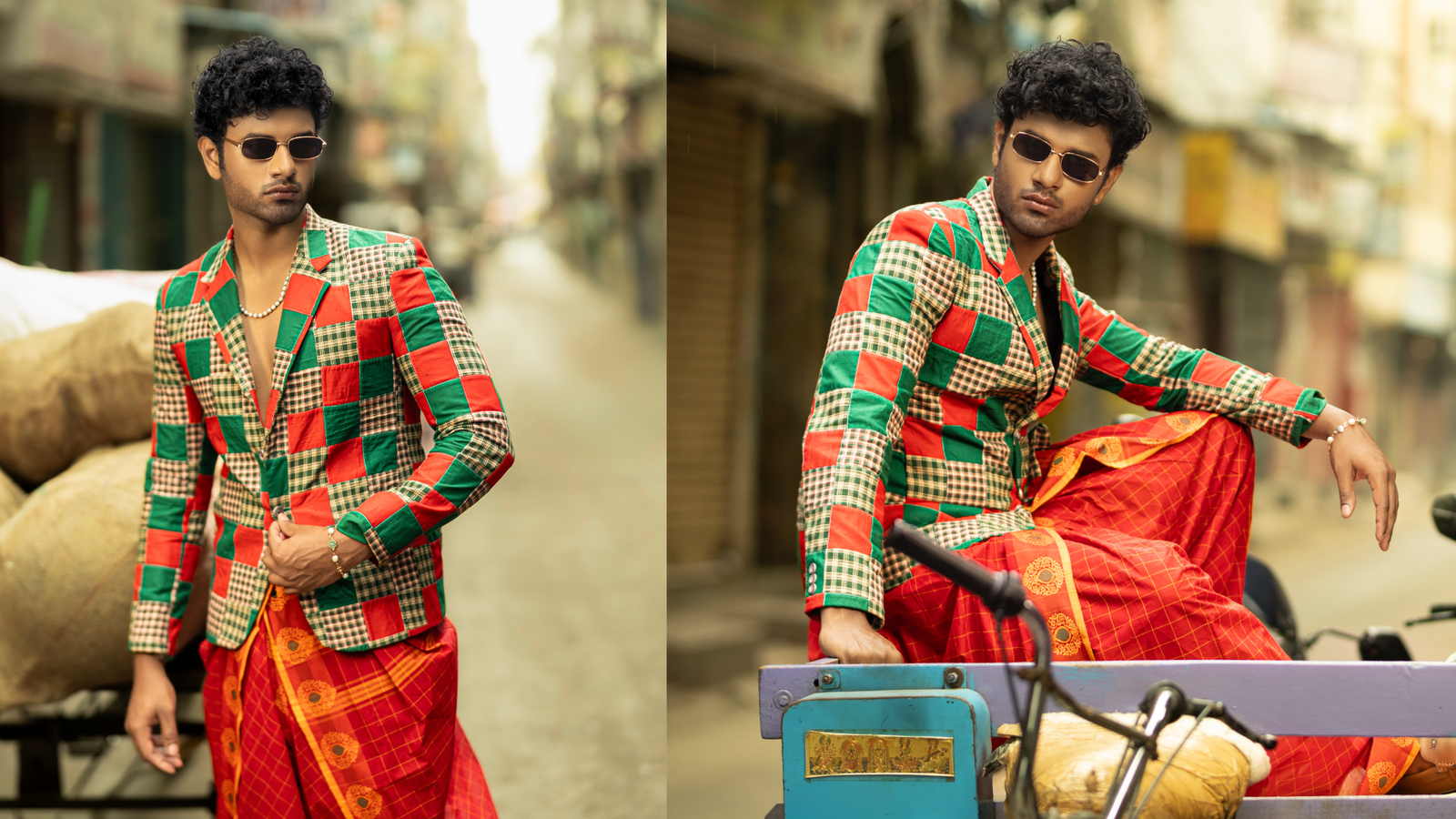
Urban Canvas – Nitish BC
Where Raw attitude meets refined edges, Streetwear is Redefined. Each outfit becomes a Manifesto in Motion. With model Embodying Confidence and Contrast – A Bold Balance of Rebellion and Refinement. From striking poses without knowing much as a 14-year-old boy who always wanted to be an actor to now working with leading brands, this journey has been nothing short of a dream come true. Growing up, I faced mockery and stereotyping because of my skin colour. But rather than letting it dim my light, I embraced my roots with pride.I’ve always loved my South Indian skin — it’s part of who I am.It all began with casual photoshoots using my cousin’s pocket camera and school fashion shows, where I discovered the thrill of competing and performing.That’s when people started noticing me, and I began noticing myself. From striking poses without knowing much as a 14-year-old boy who always wanted to be an actor to now working with leading brands, this journey has been nothing short of a dream come true.Growing up, I faced mockery and stereotyping because of my skin colour. But rather than letting it dim my light, I embraced my roots with pride. I’ve always loved my South Indian skin — it’s part of who I am.It all began with casual photoshoots using my cousin’s pocket camera and school fashion shows, where I discovered the thrill of competing and performing. That’s when people started noticing me, and I began noticing myself. A contemporary blend of Madras checks and patchwork, woven with the grace of Andhra cotton. This dhoti pant redefines tradition with a bold, modern edge — where heritage meets innovation in every fold, celebrating craft, comfort, and cultural expression through a refreshed lens of design and individuality. Just as I was getting started, the world paused with Covid. During lockdown, I had time to explore something I’d always been curious about: the vintage aesthetic of Madras. I started designing and creating content about Old Madras, a city that shaped me. That interest gained recognition, and the path ahead became clearer. From traveling across states to collaborating with major labels, I’m living the dreams my younger self once held. I’m endlessly grateful to the individuals and brands who saw potential in me and helped bring it to life. What started as a passion became a purpose. There’s often a stereotype in our industry that models can’t act. I believe in redefining that, and one day, I will. I’m just getting started.
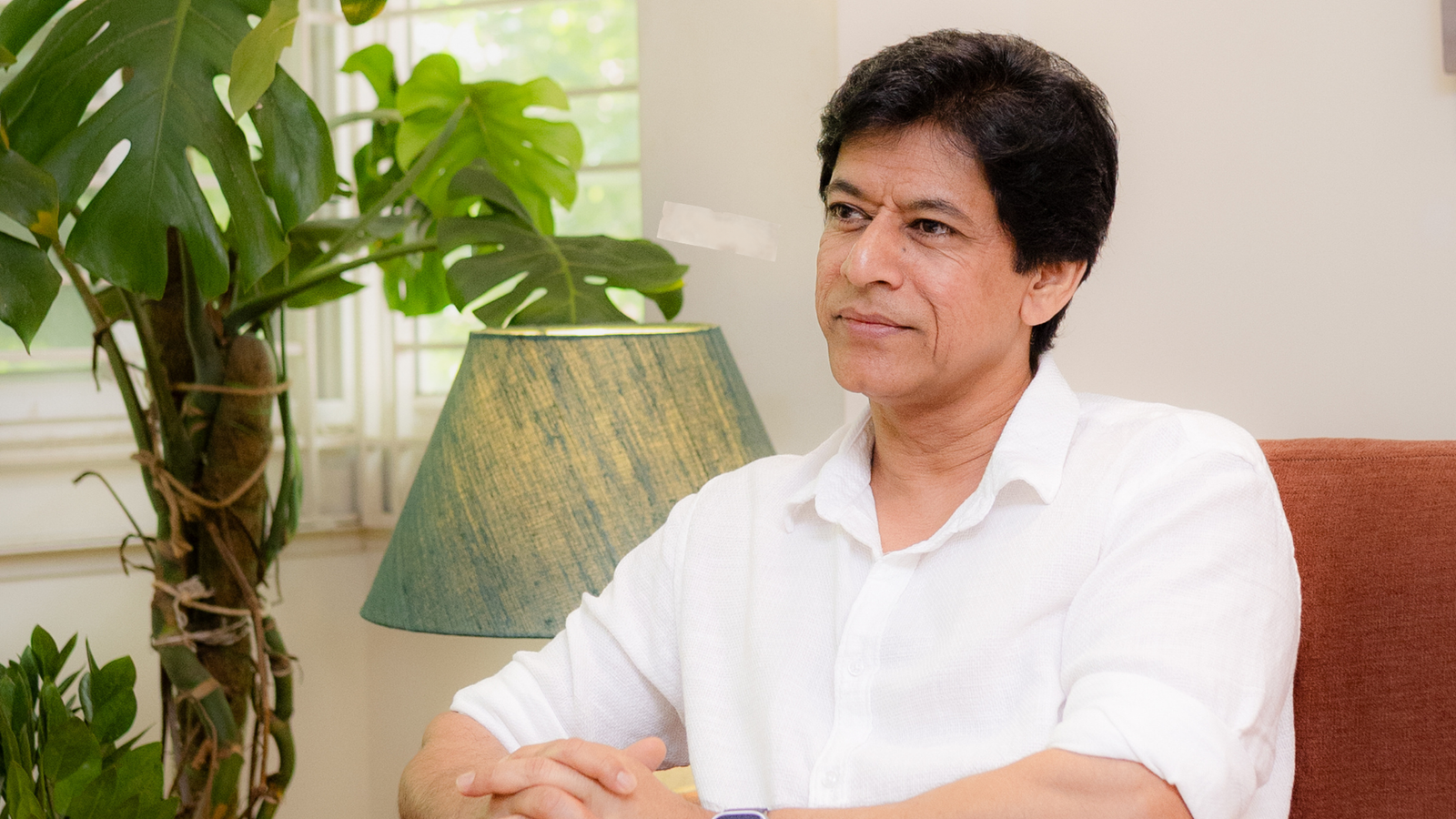
Shutter Couture: G. Venket Ram in Focus
Capturing Style Through the Lens of the ace photographer Renowned for his striking compositions and timeless storytelling, G. Venkatram has spent decades behind the camera shaping the visual language of Indian fashion. From iconic advertisements, magazine covers to evocative runway captures, his lens has not only documented trends but defined them. In this exclusive conversation, the celebrated photographer recalls his journey, the evolving face of fashion, and the powerful stories hidden within every frame. Can you take us back to the moment you realized photography was more than just a hobby—when it became your calling?” “Photography started off as a simple hobby back in my school days. I’d play around with my father’s old Minolta viewfinder camera, capturing family moments—birthdays, weddings, that sort of thing. Of course, this was the film era, so things moved at a different pace. You’d shoot a roll, and it would often take six months to finish before it was sent off for processing. By the time the prints came back, you’d almost forgotten what you’d photographed. There was something beautifully uncertain about that process—it made the whole experience more magical. At that point, I wasn’t thinking of photography as anything more than a pastime. My father was the one who introduced me to the technical side—shutter speeds, apertures, and how to balance the two for the right exposure. That early learning planted a seed, but a career in photography was still far from my mind. It was curiosity more than ambition that kept me going back then. It really began to take shape when I was studying engineering. The campus was incredibly scenic—lush, full of character—and something about the environment made me more visually aware. I found myself drawn to the way light fell on buildings, the texture of everyday moments. That’s when the spark reignited. Those early memories of shooting on film as a kid came rushing back, and I thought to myself, why not photography? That’s where the journey truly began.” 2.”Your face lit up as you recalled the analogue days. In this fast-paced digital era, do you find yourself missing that time?” “Absolutely, I do miss it. There was something incredibly precious and unpredictable about shooting on film. That uncertainty—the not knowing exactly what you captured until much later—was part of the magic. It made every frame feel like a surprise, sometimes a miracle. Of course, looking back now, I do love what digital has brought us. It’s efficient, forgiving, and far less nerve-wracking. Back then, my heart would be in my mouth until the negatives were processed—especially when it was a client shoot. If something went wrong, there was no turning back. It could make or break your reputation. Traveling with film was an adventure in itself. At airports, we’d have to send rolls of film through X-ray machines. Even though they were labeled ‘film safe,’ you could never be entirely sure. There was always a quiet fear that something might go wrong. That element of risk—the thrill of the unknown—is something I genuinely miss. It added a certain edge to the craft.” “Could you walk us through your journey as a photographer?” “My career began with product photography—something many people don’t immediately associate with glamour, but it was an incredible training ground. Back then, advertising wasn’t just about faces; it was about the product. I shot everything from credit cards and computer components to closet doors and tyres—pretty much anything you can think of. The challenge was to make even the most ordinary object look extraordinary. That was the essence of advertising photography in those days: finding beauty in the mundane. My job was to elevate the product, to give it visual appeal and character, no matter how utilitarian it seemed. But as the industry evolved, so did its focus. By the ’90s, there was a clear shift—emotions began to take center stage. Whether it was a print ad or a television commercial, the emotional connection with the audience became everything. The lens gradually moved from product to people. By the early 2000s, products took a backseat, and storytelling through faces, expressions, and mood became the heart of commercial photography. That transition was a turning point—it pulled me closer to portraiture and the world of fashion and editorial.” “When you look back at your body of work, what goes through your mind?” “I’m not a particularly emotional person—I tend to take things as they come. Of course, it’s always nice to look back. I hear young photographers today romanticizing the analogue days, talking about how special it is to handle negatives. And yes, there was a charm to that era. I enjoyed shooting on film just as much as I enjoy working in the digital space now—and even with the rise of AI, I find it exciting to see where the craft is headed. But personally, I’ve always been someone who prefers to look forward. While I do occasionally pause to revisit old work or appreciate a particular moment in my journey, I don’t dwell in the past. For me, constantly leaning on past achievements can become a trap—it limits what you’re open to next. I believe in staying focused on the future, on what’s yet to come. That’s where my energy is.” “With digitalization, technological advances, and now AI entering the scene—how do you see these shifts affecting your work and the photography industry as a whole?” “The shift actually began over 25 years ago, when analogue gave way to digital. That was the first major disruption. I still remember when Kodak introduced a 1-megapixel camera around 1999—it cost nearly two lakhs, and yet everyone was curious. Compare that to today, where your smartphone comes with 25 or 35 megapixels. That’s how dramatically things have changed. Back then, painted hoardings vanished almost overnight, replaced by digital billboards. The transition happened fast—but the speed at which change is happening now is even more staggering. By the time you’ve understood one new development, several more have already taken over.
