
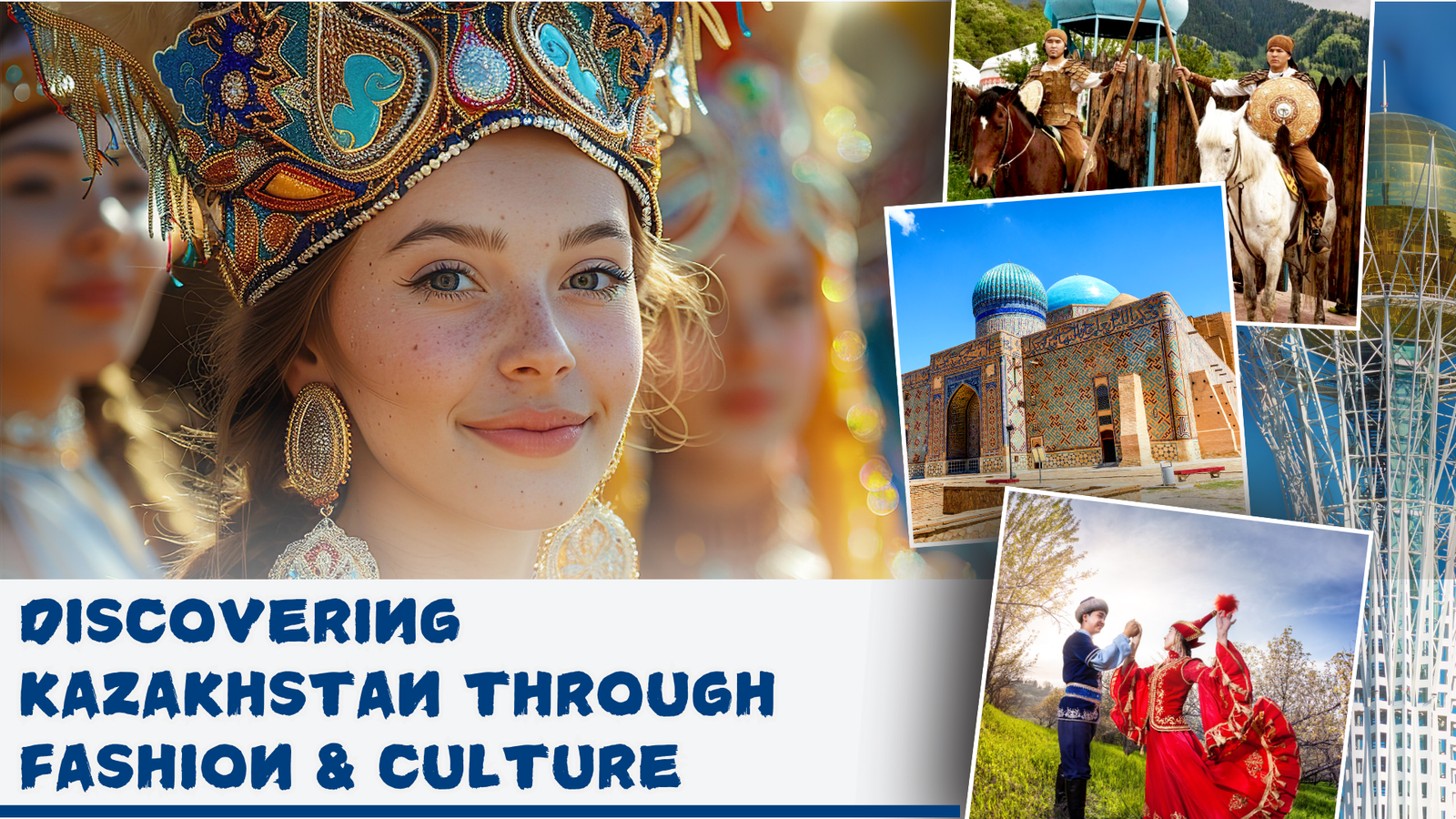
Explore the rich heritage of Kazakhstan through its vibrant fashion and timeless cultural traditions. From intricate textiles to nomadic influences, discover a world where style meets history. Tucked between the sweeping Eurasian steppe and the snowcapped Altai Mountains, Kazakhstan is a cultural kaleidoscope, a sight for sore eyes, where centuries of nomadic legacy meet modern luxury. Long overshadowed on the global fashion radar, the country is now strutting confidently into the global spotlight — and doing so with serious style. From the bustling boutiques of Almaty to the ancient silversmith stalls of Turkistan, Kazakhstan’s aesthetic is a masterclass in contrasts: rich heritage woven seamlessly with avant-garde expression. NOMADIC ROOTS, MODERN SILHOUETTES In a place where history was carried on horseback, Kazakh fashion has always been both utilitarian and beautiful. Traditional garments, such as the shapan —a long, ornate overcoat —and the tumar, a protective amulet, are still worn today, not just in ceremonies, but also on city streets and runways. Designers such as Salta and Aida Kaumenova are breathing new life into ancient forms, creating collections that fuse hand embroidery, velvet, and gold thread with sharp tailoring and minimalist cuts. It’s wearable heritage — designed for the now. ACCESSORIES THAT SPEAK Kazakh accessories are not just for show — they tell stories. Oversized silver earrings, crescent-shaped talismans, and engraved cuffs speak to ancestry and spirituality. Even bridal jewellery can weigh several kilos — not just as a symbol of wealth, but of cultural pride. Today, young artisans are transforming these heirloom motifs into contemporary wearable art. Think: oxidized silver rings styled with street wear, or traditional saukele headpieces (the saukele is the headdress of a Kazakh bride), reinterpreted in contemporary couture. LIFESTYLE & CELEBRATION Kazakhstan is a land of sweeping steppes, majestic mountains, and deep-rooted nomadic traditions. As the world’s ninth-largest country, Kazakhstan offers an eclectic mix of modern cities, Silk Road heritage, and rich cultural experiences. Whether you’re drawn to its historical sites or intrigued by its artisan crafts and hearty cuisine, Kazakhstan promises a travel experience that bridges the ancient and the contemporary. Visit Cultural and Historical Places 1. Almaty – The Cultural Capital Kazakhstan’s largest and former capital city, Almaty, is known as the center of vibrant culture and history. Almaty’s streets come alive with parades, music, and cultural showcases. For fashion lovers, it’s the ideal time to witness authentic Kazakh attire in its most vibrant and ceremonial form — and maybe even pick up a few pieces to take home. 2. Astana (Nur-Sultan) – The Futuristic Capital Kazakhstan’s capital boasts ultra-modern architecture fused with cultural symbolism. 3. Turkistan – The Spiritual HearTurkistan stands as a sacred symbol of Kazakhstan’s spiritual and historical legacy. 4. The Charyn Canyon Dubbed “Kazakhstan’s Grand Canyon,” its red rock formations and silence connect visitors to the natural and spiritual heritage of the region. Traditional Markets & Things to Shop Kazakhstan’s bazaars and artisan shops are treasure troves of history, craft, and color. Look out for: 1. Green Bazaar (Zelyony Bazaar), Almaty This bustling market offers: 2. Sairan Bus Station Market, Almaty Perfect for: 3. Arbat Street, Almaty Kazakhstan’s own walking arts district: Where to Eat: A Taste of Kazakh Cuisine Kazakh food is hearty, rich in meat, and deeply symbolic of the nomadic lifestyle. Key dishes include beshbarmak, kazy, baursak, and shubat. 1. Rumi Restaurant (Almaty) 2. Line Brew (Astana & Almaty) 3. Café Ethno (Astana) 4. Alasha Restaurant (Almaty) Best Time to Visit: Kazakhstan is where tradition lives through its music, food, crafts, and open-hearted people. Whether exploring the golden domes of Turkistan or sipping kumis in a mountain yurt, every traveller leaves with a piece of the Kazakh spirit etched into their heart. March–May: Spring festivals + fashion showcases The true soul of Kazakhstan is revealed during Nauryz, the Kazakh New Year in March. This spring festival is a living testimony of culture — embroidered robes, vibrant headscarves, eagle feathers, and felt boots, the whole ensemble create a palette of pageantry. Sept–Oct: Golden steppes + design events Don’t Miss Experiencing the following: What to Pack: Conclusion: Kazakhstan is more than a destination — it is a living runway of history, artistry, and identity. For the fashion-minded traveller, it is a place where style is not just aesthetic — it’s ancestral. Step into a world where garments carry meaning, accessories hold memory, and every pattern tells a story still being written. As the world’s ninth-largest country, Kazakhstan offers an eclectic mix of modern cities, Silk Road heritage, and rich cultural experiences. Whether you’re drawn to its historical sites or intrigued by its artisan crafts and hearty cuisine, Kazakhstan promises a travel experience that bridges the ancient and the contemporary.
Design Refresh
A combination of comfort with leading-edge aesthetics forms the Interior design trends of 2025. From eco-friendly materials to comfort-driven setups. These trends are influenced by our ever-evolving lifestyles and choices. Here, let’s see a few trending options that could redefine our homes. These trends that are already used by experts are sure to usher in a new look and feel to homes. People are becoming increasingly aware of their environmental impact and therefore are moving towards choices to minimize carbon footprints, and this is fast catching on among décor experts, too. Hence, recycled metals and materials, reclaimed wood, and bamboo are a few that are on top of the list. Because of this prevailing awareness, décor today is about forming a connection with nature, to better the well-being, and encouraging a sustainable approach. Biophilic design, which integrates natural elements into interior spaces, continues to gain popularity. Rooms in homes will feature indoor plants, organic material, and natural light. Using wood, stone, and cotton creates an earthy feel yet brings is a sense of luxury. Earthy tones such as greens, browns, are the colours to opt from the color palettes in 2025. As a contrast to the fast-paced gadget hooked world, these shades produce a comforting ambience. And the blend of sustainable material with warm earthy tones makes a perfect abode. Yet another exciting trend for 2025, though not very new is the Textured wall. Three-dimensional designs on wall panels from the wallpaper patterns that were popularly used earlier, a textured surface simply uplifts a room layout adding depth to the space. Lighting is an important aspect of the décor and design of any room. Using many light sources at different levels to create a specific atmosphere, known as layered lighting, remains a trend this year too. Retro and Vintage styles, along with a modernised twist, continue to be a favourite among many.
Cinema Decode: Mr. Kase
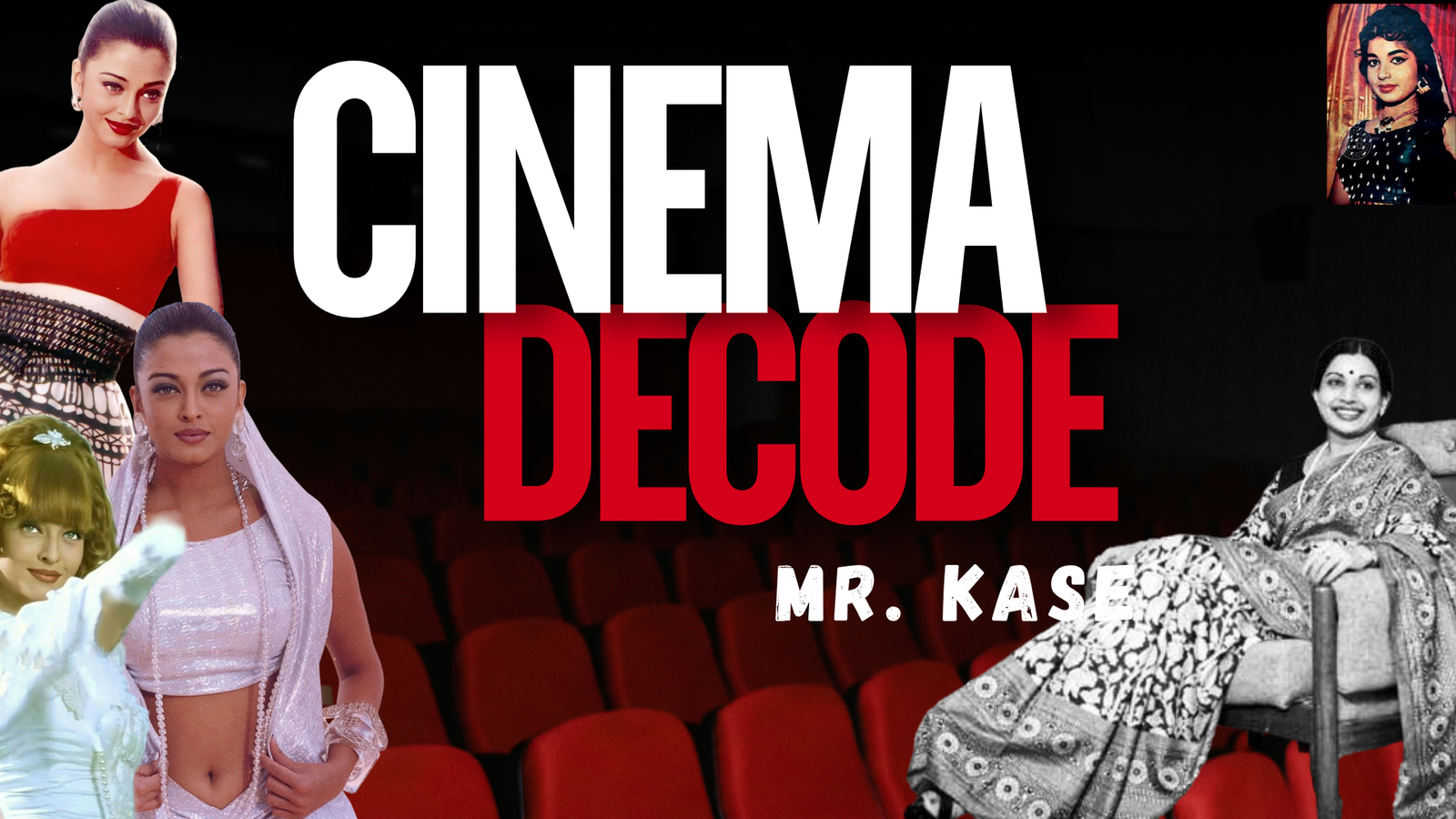
DECODING FASHION IN THE EYES OF A COSTUMER. Among the twenty-four essential crafts that make up the art of filmmaking, costume design holds a distinct and influential place. More than just clothing, costumes play a vital role in establishing the mood, tone, and emotional depth of a film. While there is a wealth of information available about other aspects of cinema, the craft of costume design often remains in the background. This article shines a light on the often-overlooked art of costuming in Tamil cinema, drawing from the extensive experience of veteran costumer Mr. Kase. Through conversations with him, we explore the intricate layers of costume design and its indispensable role in shaping cinematic storytelling. “I won’t let my costumes stay inanimate; I give them life and make them act as actors do.”These are the powerful words of Mr. Kase, one of the most celebrated and enduring costumers in the Tamil film industry. With a career spanning over five decades and more than 350 films to his credit, Kase has established himself as a master of his craft. Kase began his journey by assisting Mr. Srinivasan, the then personal costumer to the former Chief Minister J. Jayalalithaa, eventually succeeding him in the same prestigious role after Srinivasan’s resignation. Over the years, Kase became the go-to personal costumer for some of Tamil cinema’s most iconic actresses, including Radhika, Saritha, Geetha, and Silk Smitha to name a few. In this article, he opens up about his five-decade-long journey, offering deeply personal and professional insights into the evolving world of costume and fashion in cinema. Costume Design Beyond Stereotypes Amidst the ongoing conversations and controversies surrounding gender roles in the film industry—particularly within the realm of costume design—Mr. Kase’s career stands as a testament to working beyond stereotypes. Having served as the personal costumer to numerous leading actresses throughout the 1980s and ’90s, including the late Chief Minister J. Jayalalithaa, Kase’s work was never defined or limited by gender. His approach was purely professional, grounded in artistic vision and craftsmanship, not in prejudice. When asked how he interprets fashion in today’s cinema, he offered a thoughtful observation: “Back in the ’60s and ’70s, heroes wore loose pants and tight shirts—now it’s the other way around, tight pants and loose shirts! I’ve always believed that fashion operates in cyclical patterns. Today, I see kids on the street wearing baggy clothes and bell bottoms—it’s all coming back.” As the conversation continued, Mr. Kase emphasized a critical yet often overlooked aspect of costume design—the indispensable role of accessories. “It doesn’t matter how well a costume is designed,” he said, “without the right accessories, the costume would appear lifeless.” To him, accessories are not merely add-ons but integral elements that complete the visual narrative of a character. And that is why, every accessory is carefully chosen. Today stylists and designers use mood boards to achieve this. He illustrated this point with a memorable example from his work with renowned director Shankar, with whom he has collaborated since the very beginning of Shankar’s career. Among the many films they worked on together, Kase singled out Jeans (1998) as one of the most challenging projects, especially from a costume perspective. Referring to the iconic “Seven Wonders” song sequence, he noted:“In that song, the costumes gained their full impact only because of the carefully chosen accessories paired with them. Without those details, the grandeur would have fallen flat.” While giving due credits to the designer Neeta Lulla who brought out the director’s vision, it was Kase’s craftsmanship that gave life to the outfits by translating it to form from drawings,This statement not only underlines the technical precision required in styling but also reflects Kase’s deep understanding of how every element—no matter how small—contributes to the larger cinematic frame. While today’s costume design process often begins with mood boards, storyboards, and carefully drafted blueprints, the role of the costumer remains undeniably crucial in bringing those visions to life. It is the costumer who translates design into tangible reality, as stated earlier—stitch by stitch, fitting by fitting—ensuring the final look resonates with the director’s vision and the character’s emotion. A Costumer’s Wisdom for the Next Generation “What practical approach should young people take if they dream of becoming costume designers? And what personal qualities should they nurture?” He responded with a story—one that was, in fact, his own:“At the age of 14, a boy came to Chennai with no money, no skills, and no clear direction. But he had a vision—to achieve something greater. That boy was me. What got me through was willpower and perseverance along with hard work. Those qualities must be instilled in anyone who wants to last in this field.” He then offered one final, firm piece of advice:“One of the greatest qualities I always advocate for is education. I would urge today’s youth to pursue proper education in their field of interest. It’s the foundation that supports everything else.” In an industry that often shines the spotlight on stars, Mr. Kase’s journey stands as a glowing reminder that the people behind the scenes—quietly shaping every frame—carry stories of resilience, artistry, and timeless dedication.
The Foundation Fundamentals: What works, What Wows
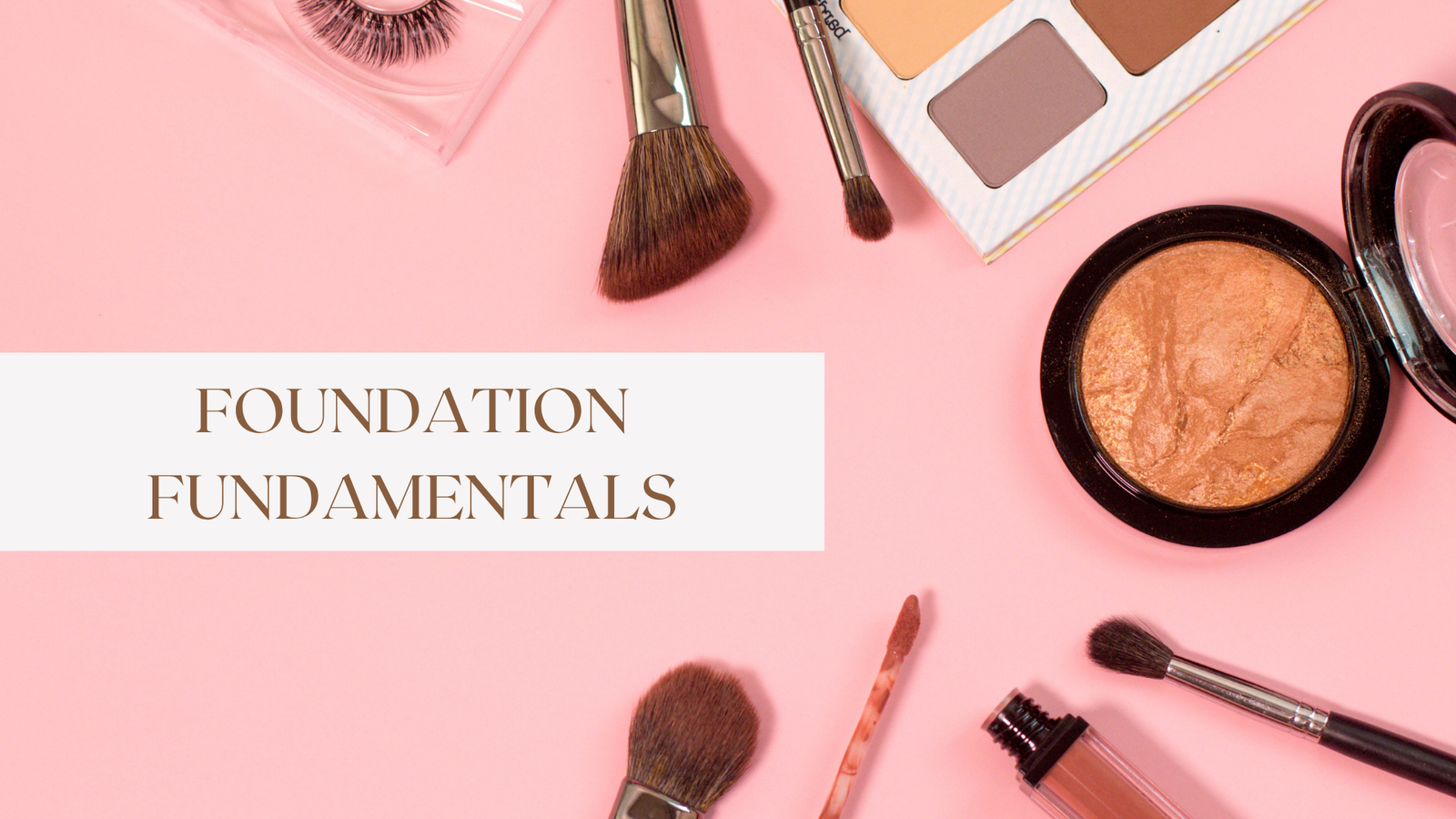
Foundation Selection and Application: How do you determine the most suitable foundation shade for a client’s skin tone? Finding the perfect foundation shade is like solving a fun little puzzle! First off, I always check the client’s neck and décolletage – that’s the most accurate spot, not the hand or arm (totally a common misconception!). We are looking for a shade that just melts into their skin, disappearing seamlessly. I usually swatch a few shades (2-3 that’s closet to their tone) right there and let them sit for a minute or two to see how they oxidize. Natural light is KEY here – artificial light can be super deceiving! I also consider their undertones – are they cool (pink, red, blueish), warm (yellow, golden, peachy), or neutral? Knowing that helps narrow it down big time. What are the different shades of foundations available and how does one choose the right shade? Foundation shades usually come in a spectrum from super fair to deep, with all sorts of undertones mixed in. We’ve got:* Cool tones: Think porcelain, rosy, beige, cool ivory. These will have pink, red, or even blueish undertones.* Warm tones: Golden beige, honey, caramel. They can be yellow, golden, or peachy.* Neutral tones: True beige, natural tan. These have a balance of both warm and cool, or neither dominant. To choose the right shade, it’s all about that matchy-matchy moment with the neck. If it blends in and you can’t really see a line, you’re golden! And do not forget to think about what the client wants – sometimes they prefer a slightly brighter look, and we can achieve that with strategic concealing and contouring rather than changing the main foundation shade. What are the most effective techniques for achieving a flawless foundation look? For that dreamy, flawless finish, less is often more! I usually start with a small amount of product and build up coverage where needed.* Prep is paramount! (Will share more on that later, on the instagram and in the upcoming series here , but seriously, this is the secret element).* I usually prefer to dot the foundation on the face – especially on the forehead, the cheeks, chin, and on the nose.* Then, using a dense foundation brush or dame beauty sponge (depending on the desired finish), I gently press and blend the product into the skin. No harsh rubbing! We want to melt it, not move it around.* I always blend down into the neck and around the ears for a seamless transition. And do not forget around the hairline – nobody wants a foundation halo! Can you explain the difference between a matte, dewy, and natural foundation finish? This is where the magic really happens and you can totally customize the vibe!* Matte: Think velvety, no shine whatsoever. This is amazing for oily skin types or when you want a super polished, long-wearing look. It can sometimes feel a bit “flat” if overdone, but when applied well, it is chic and sophisticated.* Dewy: Hello, glow-up! This finish gives you that luminous, healthy, slightly wet-look skin. It’s fantastic for dry or mature skin, or anyone wanting that fresh, youthful radiance. It catches the light beautifully.* Natural: This is the “your skin but better” finish. It is not too matte, not too dewy, just a beautiful, even complexion that still looks like skin. It is super versatile and generally suits most skin types. What are your favourite foundation products and why? Oh, this is like picking a favourite child! But if I must choose, some current favourites are: * MAC Studio Radiance Serum foundation sheer Glow Foundation: It is iconic for a reason! It gives a beautiful natural-to-medium coverage with a lovely, subtle radiance. It is super buildable and just makes skin look healthy. * Estée Lauder Double Wear Stay-in-Place Makeup: For those days when you need your makeup to literally not budge. It is full coverage, matte, and truly lasts through anything. A lifesaver for events! * Mac Strobe Dewy Soin Tint: If you want that no-makeup makeup looks with a little extra glow, this is it. so lighter than a traditional foundation but gives sheer coverage and that dewy finish. I love these because they consistently deliver, work for a variety of skin types, and just make people feel amazing. How do you handle uneven skin tone or texture when applying foundation? This is where the art comes in! * Uneven Skin Tone (like redness or hyperpigmentation): I usually start with colour correcting before foundation. A green corrector for redness, or a peach/orange corrector for hyperpigmentation. I apply a tiny amount only to the discoloured areas and tap it in gently. Then, I apply foundation as usual, building up coverage in those specific spots if needed. The goal is to neutralize the colour, not glob on a ton of product. * Uneven Texture (like acne scarring or large pores): Priming is your best friend here! A pore-filling or blurring primer can work wonders to create a smoother canvas. When applying foundation, I use a stippling or tapping motion over textured areas rather than dragging, which can emphasize texture. Light layers are key – too much product can settle into and highlight texture. What is the right type of brush to use? It totally depends on the finish and coverage you’re going for!* Flat-top brush: Amazing for medium to full coverage and a more polished finish. You can buff and stipple for a seamless look.* Dense, flat foundation brush: Good for precise application and building coverage but can sometimes leave brush strokes if not blended well.* Stippling brush (duo-fiber): Great for a sheerer, more natural finish. The two lengths of fibers allow for a light, airbrushed effect.* Fluffy powder brush (for powder foundations): For mineral or powder foundations, a fluffy brush allows for an even, diffused application. Is a blender better than a brush? Neither is “better” – they just give different results!Beauty Blender (or similar sponge): I like to use it when I want
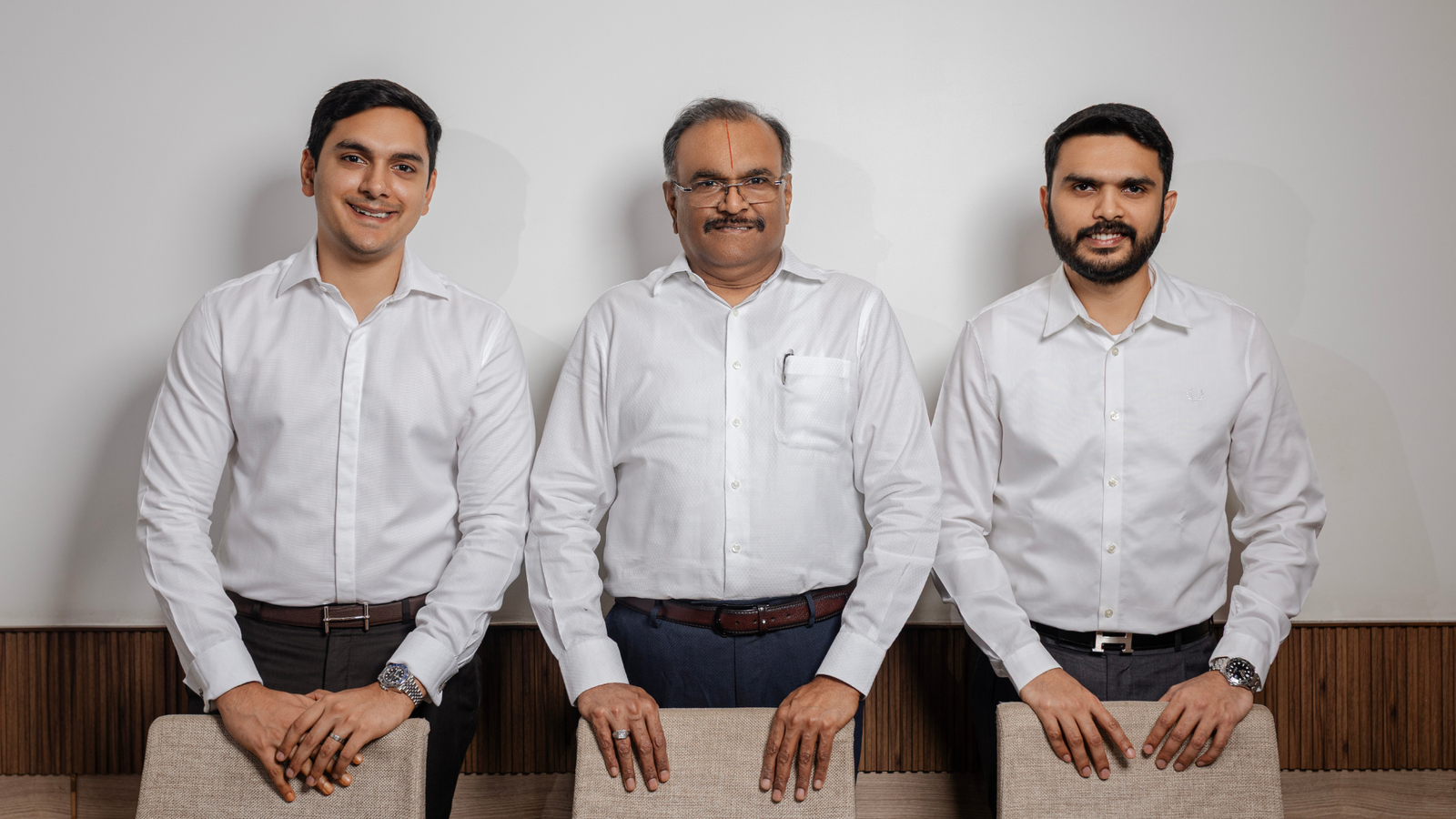
NAC’s New Era of Brilliance
From Heirloom to Horizon: NAC’s New Era of Brilliance What started as a home-based jewellery venture, a humble beginning in the year 1971, by Nathella Narayana Chetty and his son, Nathella Anantham Chetty, has evolved into one of South India’s most respected jewellery brands — NAC Jewellers. The family’s legacy of handcrafting fine jewellery first took commercial shape in Chennai’s bustling Parry’s Corner, setting the stage for a story that would span over a century and four generations. In 1973, third-generation entrepreneur N. Anjaneyulu Chetty officially established the NAC brand, laying the foundation for a business built on trust, tradition, and timeless design. His son, Anantha Padmanaban, later joined him, ushering in a period of remarkable expansion that saw NAC grow from a single store into a thriving chain across Tamil Nadu. Now, with a fresh and forward-thinking perspective, N. Anandha Ramanujam, Director and fourth-generation scion, is steering NAC into the national spotlight. Armed with an impressive academic background — a master’s in international business and Entrepreneurship from the University of Glasgow, and a Graduate Gemologist certification from GIA, California — Anandha combines heritage with innovation. In just five years, he has already begun taking the brand beyond its regional roots, driven by a clear vision to redefine NAC’s presence across India. Adding a new dimension to this legacy is Arjun Vardharaj, the younger son of Anantha Padmanaban, who has recently joined the family business. With a Master of Science in Global Hospitality, Arjun brings a contemporary and structured perspective to NAC Jewellers. His passion for the brand, coupled with a refined, methodical approach to operations and customer experience, is already contributing to elevating the brand’s value and reach. As he joins forces with his brother Anandha, the next generation of NAC leadership is poised to blend tradition with innovation, charting a bold new course for the iconic jewellery house. In an exclusive conversation with CEO insights, Anandha and Arjun share their journey, the ethos behind NAC, and how the brand continues to sparkle with relevance in a modern, dynamic marketplace. Personal & Heritage What are your earliest memories of growing up around the family jewellery business?Anandha fondly recalls his early association with the brand and shares,“I had a natural liking for jewellery even as a child. I remember visiting the store, wearing the chains, and heading home with them. My mother would always return them the next day. Those small experiences were my first connection to the world of jewellery and the family business.” When did you first realize you wanted to be part of the family legacy—or did you ever resist it? Arjun reflects and shares with us,“I never had a particularly strong liking or disliking for jewellery. But growing up, I always knew I wanted to contribute to the family business, having watched my grandfather and father build it from the ground up, and my brother naturally followed in their footsteps. My own interests, however, leaned more toward the food industry. I pursued my education in hospitality and even began my career in that space. Joining the jewellery industry wasn’t something I had planned—but life had other ideas. And today, here I am—a full-fledged jeweller!” How has your family’s heritage influenced the way you approach jewellery design and business today? The more experienced entrepreneur Anandha reflects, “The way we approach business today is very much rooted in the values passed down through the family. Ethics have always been paramount to us—that’s been a consistent guiding principle, both then and now. When it comes to design, we place the client at the center. We carefully consider their needs and preferences and continuously strive to meet—and exceed—their expectations.” (pull out) What would you say is the most interesting or challenging part of the jewellery business?Anandha lets out a hearty laugh and shares, “It’s most definitely the inventory—that’s truly the core of our business. I wouldn’t necessarily call it challenging; it’s more interesting, really. This department constantly keeps us on our toes. There’s always something new to learn and do, and we’re continuously innovating and experimenting. Inventory is where we encounter both our biggest hurdles and our most rewarding accomplishments.” Did you feel pressure to uphold certain traditions, or were you encouraged to innovate?Arjun affirms, “By default, there was an expectation to carry forward certain traditions. We’ve always adhered to our core principles—upholding ethics and never compromising on quality. That said, innovation has always been part of our journey. My father was truly ahead of his time. He consistently experimented with jewellery styles that eventually became trends—without the support of social media or digital platforms. In fact, I would say the previous generation was, in many ways, more innovative than we are today.” Speaking of innovation, your USP is the creation of exclusive collections. Could you tell us more?“Innovation for us goes beyond just design, says Anandha—it extends to the product itself. We’ve made significant strides in that area over the years. In fact, we were among the pioneers to introduce 14-carat gold in diamond jewellery. At the time, it was a bold move. My father had the vision and the courage to experiment, even when others—including manufacturers—were hesitant. Today, it has become an industry standard, widely adopted by jewellers everywhere. This particular innovation is one of our proudest and most meaningful contributions to the field.” The Transition to Leadership What were the biggest challenges in taking over or stepping into a leadership role in an established family business?“When I first joined the business, it was still very much a traditional family-run setup. There weren’t clearly defined departments—often, one person would be responsible for multiple roles. One of our early challenges was streamlining operations and creating structured departments to support growth, said Anandha”“Another significant challenge Arjun and I continue to navigate is working with our senior-most staff—individuals who have been with the company for generations. They’ve seen us grow up, and now they’re expected to take instructions from us. We understand how difficult that transition can be, both for
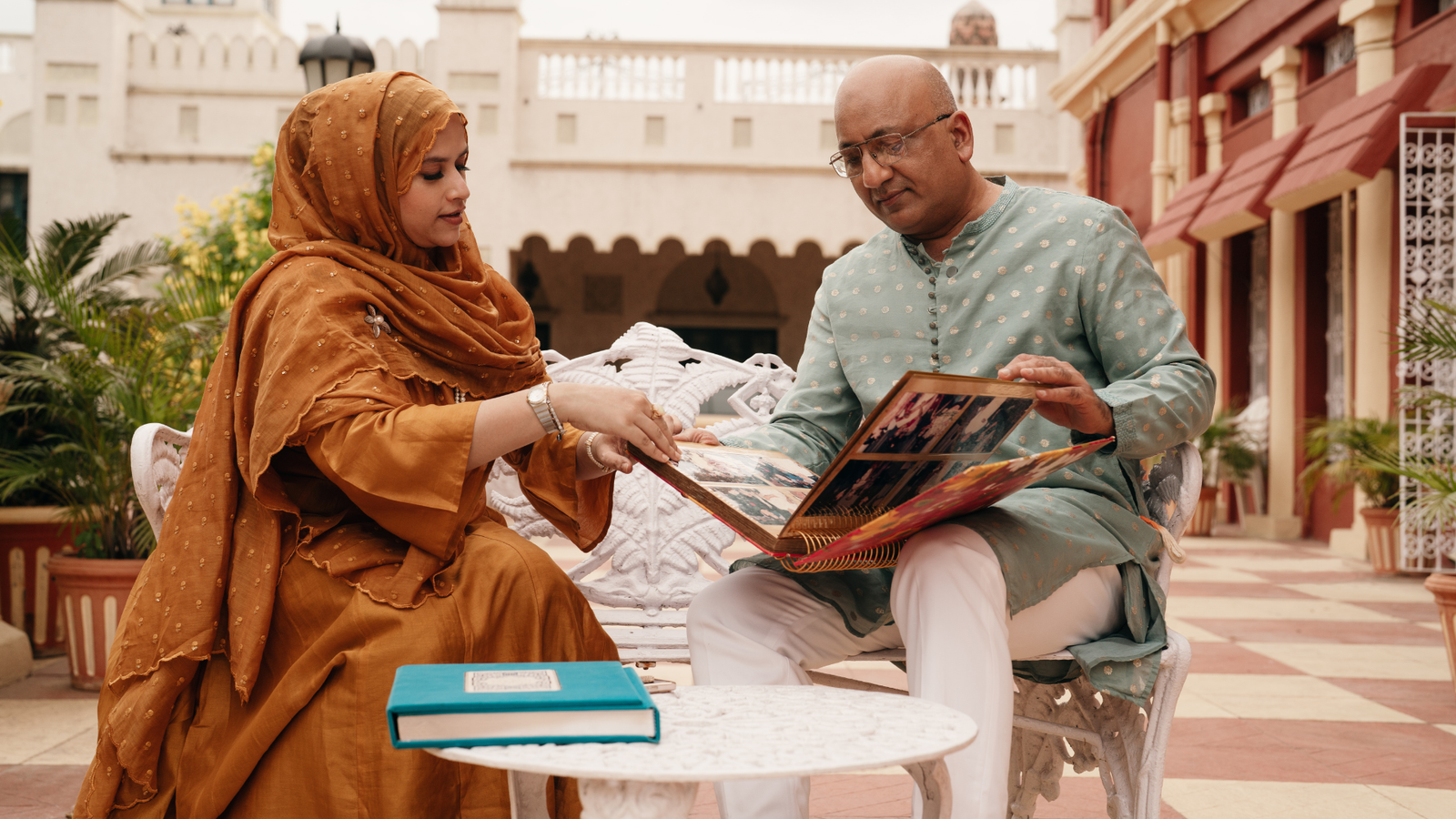
Draped in Dignity: The Living Fashion of Arcot Royalty
As Chennai pulses with contemporary ambition, the Prince of Arcot and his family uphold an identity deep rooted in tradition, yet open to dialogue. It is this balance of legacy and relevance that we explore through an interactive conversation with, Nawabzada Mohammed Asif Ali, the eldest son of His Highness the Prince of Arcot, Nawab Mohammed Abdul Ali. In the heart of modern Chennai, amidst of the hustle and bustle of this street in Royapettah, and behind the tall red walls is Amir Mahal. There lives a quietly enduring chapter of India’s royal past—the Nawabs of Arcot, once powerful rulers of the Carnatic and now one of the last remaining princely families residing in this major Indian city. Their story begins in the early 18th century, when the Nawabs governed from Arcot, a Mughal outpost in southern India. But as the winds of empire shifted and colonial powers rose, their destiny became entwined with the emerging British stronghold of Madras. It was Nawab Muhammad Ali Khan Wallajah, with British backing, who decisively moved the royal seat from Arcot to Madras in 1765, building the now-iconic Chepauk Palace. In doing so, the Nawabs became not just rulers, but active participants in the shaping of colonial Madras—culturally, politically, and even sartorially. Amir Mahal, their home since 1876, became a sanctuary where royal customs, language, and even their dress were preserved—not frozen in time, but evolving with dignity. The Nawabs’ courtly style, with its flowing sherwanis, churidars, and their distinctive Arcot turbans, remains a refined expression of Indo-Islamic elegance against the forgetfulness of modernity. Fashion, for many, is fleeting—however for royalty, it is legacy. In this exclusive interview, His Highness Mohammed Asif Ali, Diwan and the heir apparent to the Prince of Arcot, shares a rare glimpse into the evolving world of royal fashion—from the opulence of the traditional Nawabi attire to its elegant reinterpretation in today’s modern wardrobe. With a deep-rooted sense of history and a discerning eye for contemporary aesthetics, Nawabzada Mohammed Asif Ali, speaks candidly about how royal fashion has transformed over the years, what key elements still carry symbolic weight, and his personal philosophy on style in a world increasingly driven by brands and trends. Heritage and Tradition Q.How did your early royal traditional attire look? “In the earlier days, our traditional royal attire was quite formal—definitely heavier and more elaborate than what you see today. The dresses were long and regal, often paired with thick belts that sometimes-held weapons, symbolizing strength and readiness. We also wore distinctive headgear and shoulder pieces, which added to the grandeur and conveyed status. Today, it’s all evolved. The attire has become more modern, more comfortable—but there’s still a beautiful touch of tradition in every piece. Whether it’s in the fabric, the embroidery, or the overall design, we’ve found ways to honour our heritage while moving with the times.” Q.What were some of the most iconic fashion elements unique to the Arcot family? “I believe the most iconic and unique element of royal fashion has to be the headgear worn by the Nawabs. It wasn’t just a statement of style—it was a symbol of authority, pride, and lineage. Traditionally, these turbans or headpieces often carried the royal seal and were embellished with precious stones, showcasing both wealth and identity. Even today, we continue to wear them during special occasions and festivals as a way of honoring our heritage. While the everyday traditional touch may have faded with time, the significance of the headgear remains deeply rooted in our culture. Wearing it today brings back a sense of pride and connection to our royal past.” Q.Can you walk us through your own fashion evolution? “Fashion has certainly evolved from the time I was a child to now. But to me, fashion isn’t just about what you wear—it’s about how you carry it. That’s where true style lies. I’m not saying you shouldn’t follow trends or embrace brands; after all, fashion is about expression. But I believe that a brand shouldn’t wear you—what you wear should become the brand. That distinction matters. Today, there’s an undeniable obsession with labels, which isn’t necessarily wrong, but the real magic happens when your confidence and individuality turn an outfit into something iconic. They say fashion comes a full circle every 20 years—and what we wear today is essentially retro with a twist. Trends may come and go, but the power lies in making whatever you wear your own. That, to me, is fashion.” Q. Are there pieces from your wardrobe that have been passed down through generations? “There are a few cherished pieces—dresses, jewellery, and watches—that have been passed down through generations. Wearing something that once belonged to my grandmother /grandfather feels incredibly special. It’s more than just style; it brings back memories and a deep sense of connection to the past.” Q.Has your personal style been influenced more by traditional or modern times? “My personal style is a lot like music—which makes sense, since I’m a musician. I love to fuse elements, whether it’s Indo-Western or blending Eastern and Western influences. I’m not overly rigid about what I wear, but I do pay attention to fit and how the outfit suits the occasion. If it’s a formal setting, I’ll go for formal wear; otherwise, I embrace traditional attire. I’d say my style is contemporary but always rooted in tradition.” Men vs Women Royal Fashion Q.How did fashion expectation then differ for royal men and women? “That’s a dangerous question! But here’s the truth—women have always been the true ambassadors of fashion. Historically and even today, they’ve had a wide array of choices—from elaborate headgear and jewellery to makeup and footwear. They’ve truly elevated fashion to an art form. That said, royal men certainly had their own sense of style. Their attire was grand, with rich colours, ornate headpieces, and flowing garments that spoke of elegance and power. What I find most fascinating is how both men and women complemented each other through their fashion. And to
